2026 Top Porcelain Dental Implants Types Which Is Best?
In 2026, Porcelain Dental Implants attract patients seeking natural-looking smiles and metal-free treatment. Yet the terminology needs caution. Many products marketed as porcelain implants are actually zirconia ceramic implants, while true porcelain is more commonly used for crowns or veneers. Material names matter because strength, fracture resistance, tissue response, and clinical evidence differ.
The global dental implants market reached approximately USD 4.6 billion in 2023, according to Grand View Research, with continued growth projected through 2030. However, these market figures usually combine titanium and ceramic systems. They do not prove that every Porcelain Dental Implants option performs equally well. The ITI Consensus and recent systematic reviews describe zirconia implants as promising, especially for esthetic zones, but they also note limited long-term evidence compared with titanium.
The details are visible in practice. A thin upper-gum profile may reveal a gray shadow around titanium. Zirconia can reduce that concern. Still, implant position, bone volume, surgical precision, and maintenance often matter more than color alone.
Prof. Frank Schwarz has described zirconia implants as “a promising alternative to titanium implants,” while clinical evidence continues to develop. That balance is important. Attractive does not automatically mean superior.
This guide compares one-piece and two-piece ceramic designs, surface treatments, connection systems, and clinical indications. It also considers cost, repairability, survival data, and patient-specific risks. Some claims remain uncertain. That uncertainty deserves honest discussion before treatment, not polished advertising. A qualified implant dentist should review radiographs, occlusion, periodontal health, and the manufacturer’s independent evidence before recommending the best option.
What Are Porcelain Dental Implants and How Do They Work?
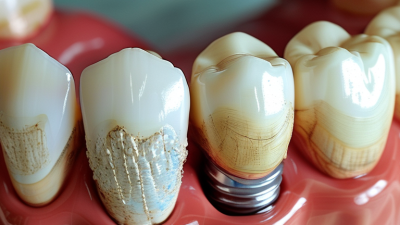
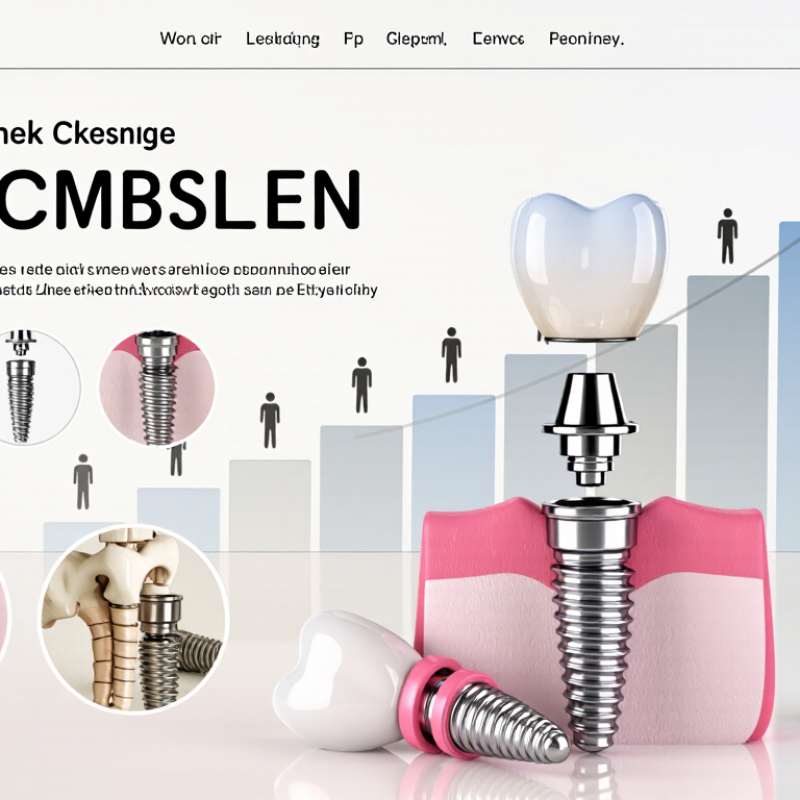
Porcelain dental implants are often described as tooth-colored replacements for missing teeth. That wording can be misleading. The implant body is usually made from zirconia, a strong ceramic material placed inside the jawbone. Porcelain more often forms the visible crown attached above it. Ask which part is porcelain.
After the implant is placed, the surrounding bone gradually bonds with its surface. This process is called osseointegration. It creates a stable foundation for the replacement tooth. Once healing is adequate, a connector and custom crown are fitted. The crown is shaped to match nearby teeth, including their length, shade, and gentle surface texture. Chewing forces matter too. Healing is not instant.
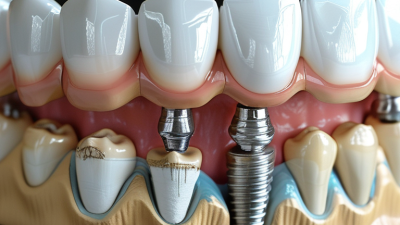
Modern ceramic implants commonly use one-piece or two-piece designs. One-piece systems combine the implant and connector, while two-piece systems allow more flexibility during restoration. The better option depends on bone volume, gum health, bite pressure, and the planned crown. A qualified dental professional should assess these factors using clinical examination and imaging. Digital scans can improve fit, but they do not remove uncertainty. That uncertainty matters. Ceramic materials may offer pleasing aesthetics, yet they require careful planning and controlled placement. I would not choose an implant based on color alone. Long-term evidence, surgical experience, cleaning habits, and regular reviews deserve equal attention.
Main Types of Porcelain and Ceramic Dental Implants
The main types of porcelain and ceramic dental implants are zirconia and, less commonly, alumina. Zirconia is currently the leading ceramic implant material because it combines high strength with a tooth-colored appearance. It is available as a one-piece implant or a two-piece system with a separate abutment. One-piece designs can simplify placement, while two-piece designs offer more flexibility for angled restorations.
Alumina implants were used earlier, but their lower fracture resistance limits their modern application. Porcelain usually describes the visible crown, not the implant fixture placed inside the jaw. A ceramic implant may therefore support a porcelain crown, creating a fully tooth-colored restoration. The distinction matters when comparing treatment plans.
Clinical selection depends on bone volume, gum thickness, bite pressure, cleaning habits, and the surgeon’s experience. Thin gum tissue may make a metal-free option attractive, especially in the front teeth. However, ceramic implants are not automatically better. They can require stricter surgical positioning and careful loading during healing. A small placement error may affect the final crown’s appearance or long-term stability.
Digital scans can improve planning, but they do not replace clinical judgment. Patients should ask about implant design, fracture data, maintenance, and the provider’s experience with ceramic systems. Results can be excellent. They are not guaranteed.
Comparing Porcelain Implants by Strength, Appearance, and Biocompatibility
When comparing porcelain dental implants in 2026, clarify the material first. Most modern “porcelain” implants are actually zirconia ceramic, not traditional porcelain. Strength matters. Laboratory data commonly reports zirconia flexural strength between 900 and 1,200 MPa, depending on composition and design. A 2024 systematic review found short-term zirconia implant survival rates generally ranging from 92% to 100%. However, follow-up periods were often limited, making long-term comparisons less certain.
Appearance is zirconia’s clearest advantage.
Its white color may reduce a gray shadow beneath thin gum tissue, especially in the front teeth. Yet color alone does not guarantee a natural result. Gum thickness, implant position, crown shape, and tissue changes influence the final appearance. Looks can mislead. Clinical experience also shows that poorly positioned ceramic implants can appear unnatural despite excellent material color.
Biocompatibility is another important factor. Peer-reviewed reviews generally describe zirconia as tissue-friendly, chemically stable, and less likely to retain plaque than some rough metal surfaces. Still, titanium has a longer clinical history and stronger long-term evidence. The International Team for Implantology has repeatedly emphasized careful case selection and limited evidence for ceramic implants in complex situations. The evidence remains uneven. Patients with heavy biting forces, limited bone, or grinding habits may require a more cautious risk assessment.
How to Choose the Best Porcelain Dental Implant for Your Needs
Choosing the best porcelain dental implant starts with a clinical distinction.
Most “porcelain implants” use zirconia for the implant body, while porcelain or ceramic usually forms the visible crown. Zirconia can suit patients seeking a metal-free restoration, especially near the front teeth. However, gum thickness, bone volume, bite pressure, and cleaning habits matter more than appearance alone.
A 2023 systematic review in Clinical Oral Implants Research reported zirconia implant survival commonly above 90% after three to five years. The review also noted that long-term evidence remains smaller than titanium implant evidence. ITI consensus reports describe zirconia as promising, but they recommend careful case selection. That caution matters. A strong bite, untreated gum disease, or limited bone may reduce predictability. No material is perfect.
Tips:
Ask whether the implant is one-piece or two-piece. Two-piece designs may allow better positioning, but they can involve more complex treatment. Request the exact material, surface design, expected maintenance, and evidence for similar cases. A digital scan can show gum contours and bite contacts. Still, scans cannot replace a full examination. Discuss bone imaging, smoking, grinding, and your cleaning routine honestly. The best choice may be less aesthetic on paper, yet more stable in your mouth.