Top 10 Benefits of Dental Porcelain for a Perfect Smile?
In today's aesthetic-driven society, achieving a perfect smile has become more important than ever. One of the leading materials in cosmetic dentistry is Dental Porcelain. According to the American Academy of Cosmetic Dentistry, 96% of adults believe an attractive smile can enhance one's career potential. This highlights the growing demand for high-quality dental restorations.
Dr. Emily Chang, a renowned expert in restorative dentistry, states, "Dental Porcelain offers both aesthetic appeal and functional durability." While many patients admire the beauty of porcelain veneers, not everyone realizes the attention required for maintenance. Additionally, it’s essential to choose a skilled practitioner who understands the nuances of Dental Porcelain application.
Despite its many benefits, there are challenges. Some patients may experience sensitivity after the procedure. Others may find the cost of high-quality dental porcelain prohibitive. Understanding these factors is vital when considering a smile makeover. With informed choices, patients can fully appreciate the transformative power of Dental Porcelain.
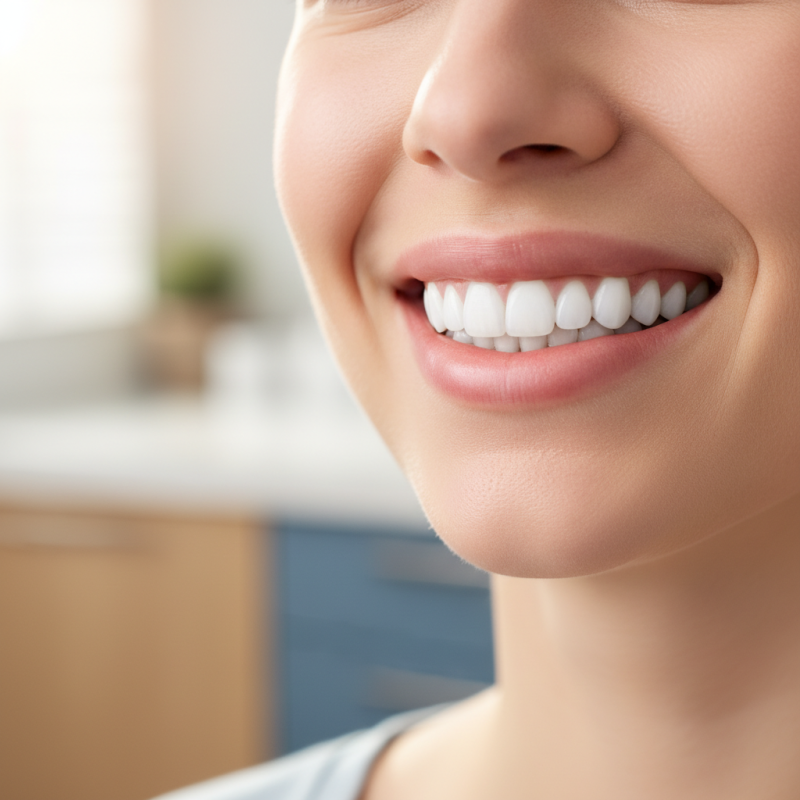
Overview of Dental Porcelain and Its Composition
Dental porcelain is a crucial material in modern dentistry. It primarily consists of kaolin, feldspar, and silica. These components give it strength and durability. The blend allows it to mimic the natural appearance of teeth, making it a preferred choice for many patients. Dental porcelain is often used in crowns, veneers, and bridges. Patients appreciate its aesthetic qualities and how it integrates well with other dental structures.
Tips: When exploring dental porcelain options, consider your lifestyle. If you grind your teeth, porcelain might chip. Consult your dentist to discuss potential risks. They can suggest the best materials based on your needs.
While dental porcelain offers a great appearance, it can be fragile. Over time, stains may accumulate, affecting its beauty. Regular dental check-ups can help maintain its brilliance. Additionally, avoid hard candies or ice to prevent damage. A careful approach can prolong the life of your porcelain dental work.
Top 10 Benefits of Dental Porcelain for a Perfect Smile
The Aesthetic Appeal: Enhancing Smile Beauty with Porcelain
Dental porcelain is a transformative material in cosmetic dentistry. Its aesthetic appeal is evident in its natural look and feel. Unlike metal or other materials, porcelain mimics the translucency of natural teeth. Reports show that patients often prefer porcelain for its ability to blend seamlessly with the existing teeth. This enhancement boosts the confidence of many individuals.
Research indicates that approximately 80% of people believe a beautiful smile is a key social asset. Porcelain veneers are popular for this reason. They can significantly enhance smile beauty by correcting imperfections. Chipped or discolored teeth can become radiant and uniform. However, some patients might find the process daunting. The longevity of porcelain crowns is impressive but can require careful maintenance.
On the downside, porcelain can chip or crack under excessive pressure. Hard foods or grinding can pose a risk. Regular assessments by dental professionals are essential. Patients should remain aware of potential issues. The ideal smile often comes with the need for ongoing care. Beauty does come with responsibility, and porcelain is no exception.
Durability and Longevity of Dental Porcelain Restorations
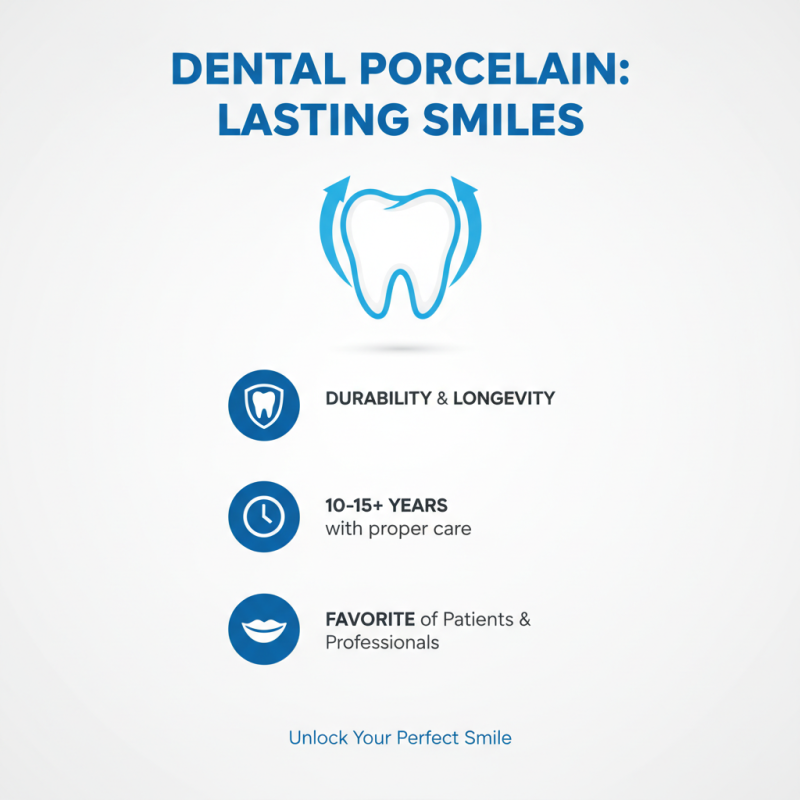
The durability and longevity of dental porcelain restorations are significant benefits for individuals seeking a perfect smile. Research indicates that dental porcelain can last over 10 to 15 years with proper care. This longevity makes porcelain a favorite among both patients and dental professionals.
One study found that porcelain crowns maintained about 90% of their integrity after ten years. This resilience is largely due to the material's resistance to wear and staining, which helps preserve the crown's appearance over time. However, porcelain can chip or fracture under certain conditions, like excessive grinding or biting hard foods.
It's crucial to consider the maintenance required to maximize the lifespan of dental porcelain. Regular dental checkups can help identify any issues early on. Failure to care for them properly can lead to complications. For instance, a neglected porcelain crown may develop gaps that expose natural teeth to decay. Thus, understanding both the robustness and the vulnerabilities of dental porcelain aids in achieving that perfect smile.
Maintaining Oral Health: Benefits of Porcelain in Dental Care
Dental porcelain is revolutionizing oral care. Its aesthetic appeal shines through in its natural look. Many patients prefer porcelain for both crowns and veneers. Besides enhancing smiles, it contributes to overall oral health. Porcelain is resistant to stains, maintaining a bright appearance over time. This durability is a significant advantage in daily wear and tear.
Here are some tips for maintaining your porcelain dental work. First, avoid abrasive toothpaste. Gritty pastes can scratch porcelain surfaces. Secondly, be cautious with hard foods. Biting down too hard can chip porcelain. Lastly, regular check-ups are essential. Your dentist can ensure that your porcelain remains intact and functioning well.
Despite its many benefits, porcelain is not invincible. Over time, it may become discolored if not cared for properly. Improper flossing can lead to gum issues around porcelain crowns. Understanding these aspects encourages better care practices. With mindful habits, you can enjoy the beauty and functionality of dental porcelain.
Top 10 Benefits of Dental Porcelain for a Perfect Smile
| Benefit |
Description |
| Natural Appearance |
Dental porcelain closely resembles natural tooth enamel, providing a lifelike appearance. |
| Stain Resistance |
Porcelain is more resistant to stains compared to composite materials, keeping your smile bright. |
| Durability |
High-quality porcelain is strong and can last many years with proper care. |
| Biocompatibility |
Porcelain is biocompatible, meaning it's unlikely to cause allergic reactions or irritations. |
| Minimal Tooth Reduction |
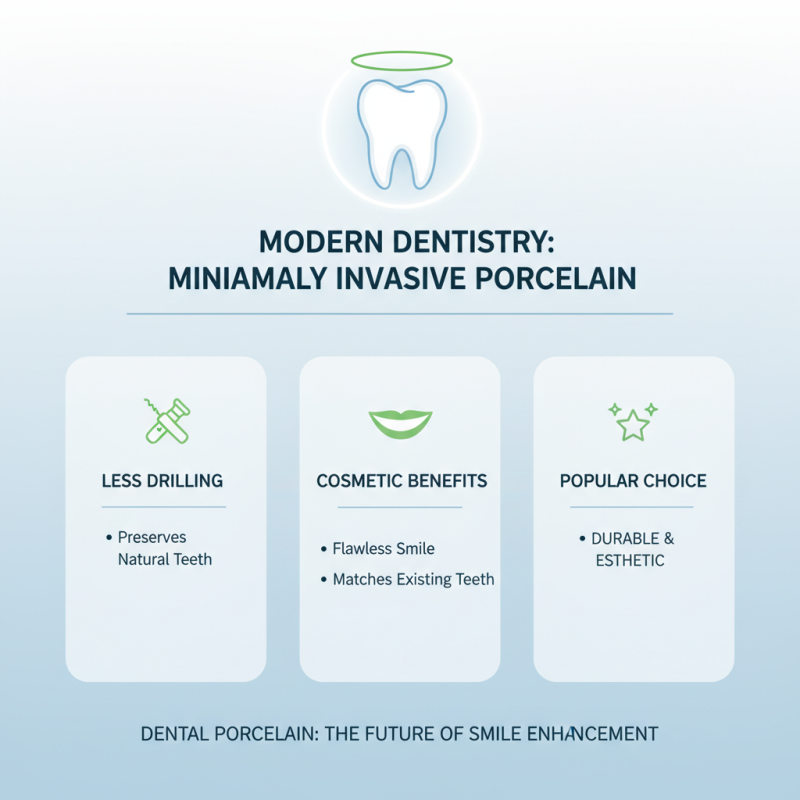
Porcelain veneers require less tooth reduction compared to crowns, preserving more of the natural tooth. |
| Low Maintenance |
Porcelain requires no special care beyond regular oral hygiene practices. |
| Versatile Applications |
Useful for a variety of dental procedures, including veneers, crowns, and bridges. |
| Improved Confidence |
Enhances the aesthetic of the smile, leading to increased self-esteem and confidence. |
| Resistant to Wear |
Porcelain is more resistant to wear and tear compared to other materials, ensuring longevity. |
| Customizable |
Can be tailored to match the shape and color of existing teeth for a seamless look. |