Top 10 Benefits of Removable Partials for Dental Patients
When it comes to restoring lost teeth, Removable Partials offer numerous benefits. Dr. Jane Smith, a leading expert in prosthodontics, emphasizes, "Removable Partials provide patients with a flexible and cost-effective solution for dental restoration." This statement reflects the importance of these dental devices in enhancing quality of life.
Removable Partials allow individuals to regain function and aesthetics. They can improve chewing ability and speech for many patients. Additionally, they offer a sense of completeness that missing teeth can overshadow. However, not everyone adjusts well to them. Some might experience discomfort or find the cleaning process challenging.
It's important to consider individual needs and preferences. Patients should consult with their dental professionals before making decisions. Removable Partials could be the right choice for many, but they are not perfect. Each journey towards dental restoration has its own unique challenges and reflections.

Benefits of Improved Aesthetics with Removable Partials for Patients
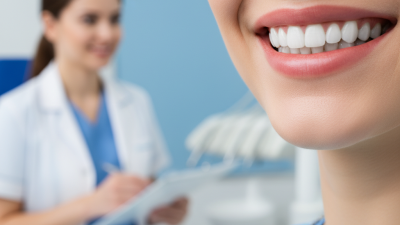
When it comes to dental aesthetics, removable partials can make a huge difference for patients. These dental appliances fill gaps left by missing teeth, improving smiles dramatically. A full, confident smile often leads to enhanced self-esteem. Patients can feel more at ease in social situations. The materials used in removable partials can mimic natural teeth quite well. This provides a seamless look, allowing patients to express themselves freely.
However, wearing removable partials is not without its challenges. Some may experience initial discomfort while adjusting to the new appliance. It can take time to get used to speaking and eating with it in place. Regular maintenance is also vital. Cleaning can be a bit tedious. Patients need to be diligent to keep their partials looking and functioning well.
Despite these considerations, the benefits of enhanced aesthetics are noteworthy. Many patients report feeling younger and more vibrant after getting removable partials. Smiles can be a powerful form of expression, and for many, restored teeth can rejuvenate their confidence. The choice of removable partials offers a chance at a renewed appearance, allowing patients to embrace life with a smile.
Top 10 Benefits of Removable Partials for Dental Patients
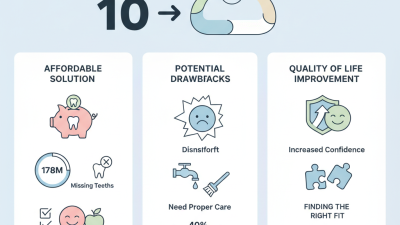
This bar chart illustrates the top 10 benefits of removable partials for dental patients, showcasing the percentage of satisfaction from patients regarding various aspects such as improved aesthetics and enhanced comfort.
Enhanced Comfort and Fit of Removable Partials Compared to Fixed Options
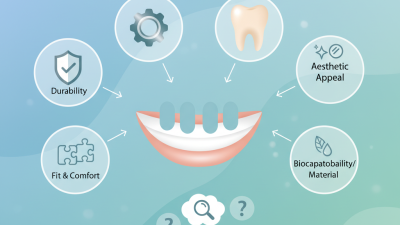
Removable partial dentures offer enhanced comfort and fit compared to fixed options. For many dental patients, they are a practical solution for missing teeth. They are lighter and easier to adapt to. Many people find them less intrusive than permanent fixtures.
Choosing the right fit is crucial. If the fit feels off, adjustments may be needed. A dentist can help modify the denture for a better experience. Regular check-ups are essential for maintaining comfort.
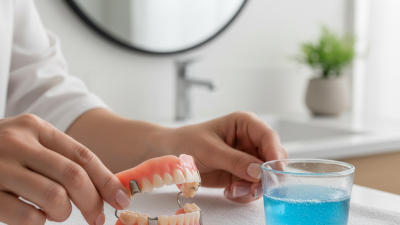
When considering removable partials, think about daily routines. They can be easily removed for cleaning, making them user-friendly. Make a habit of taking them out at night. This practice can help maintain oral hygiene. Adapting might take time, but many patients appreciate the flexibility.
Cost-Effectiveness of Removable Partials for Dental Care
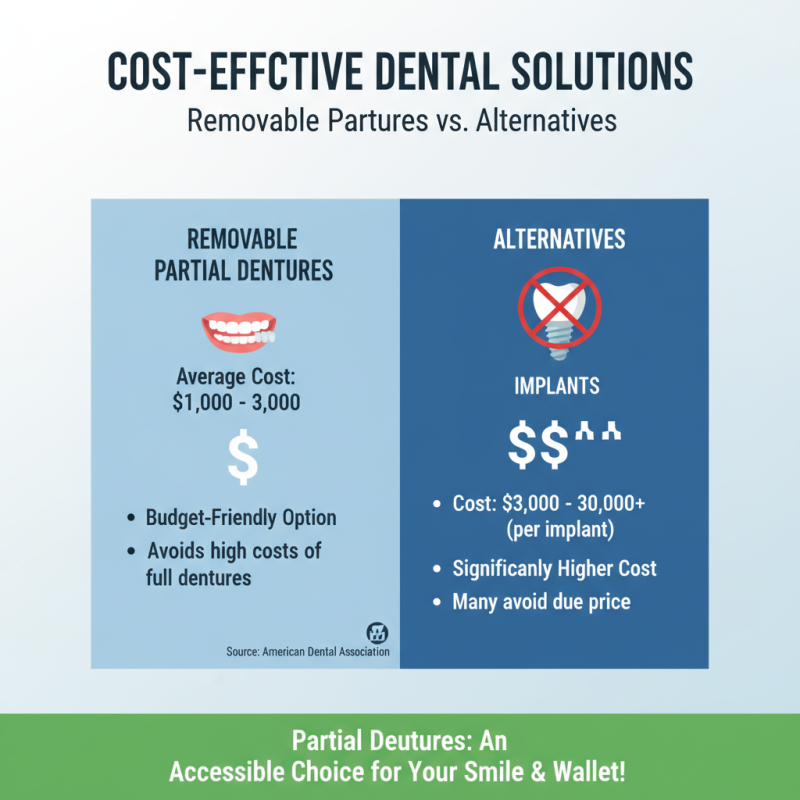
Removable partial dentures offer a cost-effective solution for dental patients. Many individuals avoid full dentures due to high costs. In contrast, removable partials can be a budget-friendly option. According to the American Dental Association, the average cost of partials ranges from $1,000 to $3,000. This price tag is significantly lower than alternatives like implants, which can exceed $30,000.
Additionally, removable partials are not just affordable. They can also reduce overall dental expenses. Patients avoid the expenses of untreated tooth loss, such as extractions or complex restorations. Research shows that those with partials tend to have fewer dental issues over time. Regular maintenance is low-cost and straightforward. However, some patients may find it challenging to adjust to wearing them daily. Fit and comfort can vary widely.
Despite the advantages, patients must weigh the social implications. Some may feel self-conscious while wearing partials. This feeling can impact their willingness to engage socially. Addressing these concerns is essential for overall well-being. Thus, while removable partials are beneficial, emotional factors shouldn’t be overlooked. Balancing affordability with personal comfort is crucial for optimal dental care.
Ease of Maintenance and Cleaning for Removable Partial Dentures
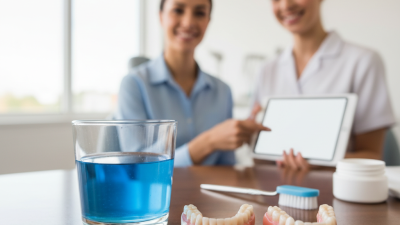
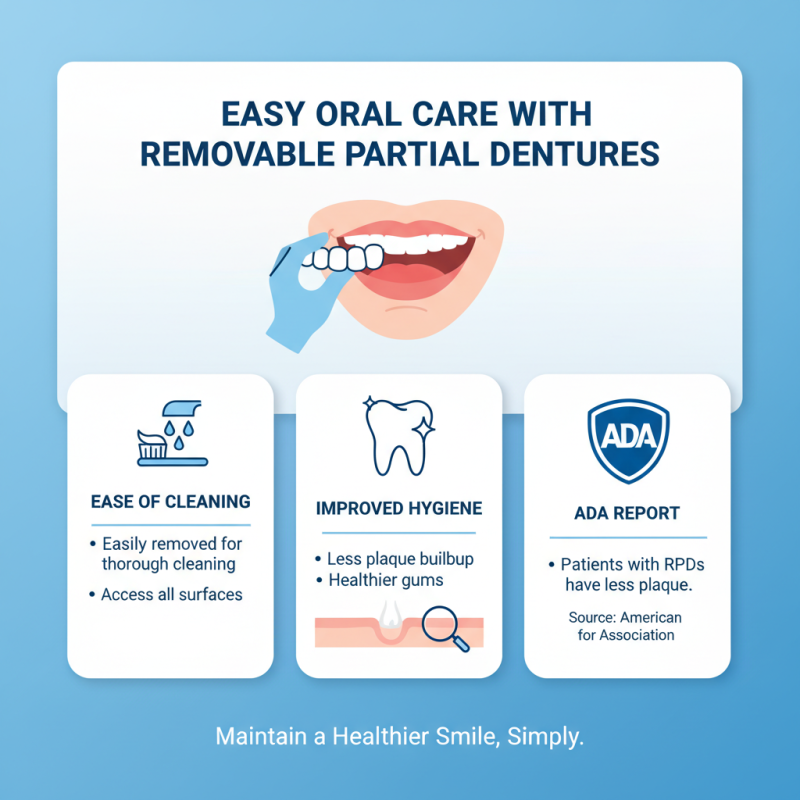
Removable partial dentures (RPDs) offer significant ease of maintenance for dental patients. Unlike fixed prosthetics, RPDs can be easily removed for cleaning. This flexibility allows patients to maintain excellent oral hygiene. A report from the American Dental Association highlights that patients with removable dentures are less likely to experience plaque buildup. Regular cleaning can dramatically improve gum health.
Patients often find it daunting to adapt to new dental appliances. Learning how to clean RPDs effectively is crucial. It's recommended to rinse them after meals to prevent food particles from accumulating. A study published in the Journal of Prosthetic Dentistry reveals that proper cleaning can enhance the lifespan of dentures by 25%. However, some patients may neglect these practices, leading to poor outcomes.
Cleaning tools can vary. Soft-bristled toothbrushes and denture cleaning solutions are popular. Yet, many still make the mistake of using harsh abrasives. This can scratch the surface, making it harder to clean effectively. Reflections on these choices can lead to better maintenance habits in the long run. With the right approach, RPDs can greatly support oral health without the complexity of fixed options.
Flexibility and Adaptability of Removable Partials in Dental Treatments
Removable partials offer significant flexibility for dental patients. They are designed to fit comfortably in the mouth. Patients can easily take them out for cleaning. This adaptability makes them user-friendly. It’s crucial for maintaining oral hygiene. If they don't fit well, adjustments can be made.
These devices suit various dental needs. Whether replacing a few teeth or accommodating changes over time, removable partials can adapt. Some patients may find the initial fit uncomfortable. Over time, they may adjust to the feeling. Regular check-ups help ensure everything is in order.
Patients appreciate the ability to remove their partials. This freedom can enhance confidence while eating or socializing. However, some might struggle with self-discipline in care routines. It’s a learning process that varies for each individual. Ultimately, understanding these aspects can lead to better experiences with removable partials.