Top 10 Benefits of Using Removable Partials for Dentures
Removable Partials play a significant role in the world of dentures, providing crucial benefits to those in need of dental solutions. Dr. Susan Mitchell, a leading expert in prosthodontics, emphasizes, “Removable Partials offer flexibility and comfort that fixed options often cannot.” This highlights the unique advantages that come with choosing removable partials over fixed dentures.
Many patients find that Removable Partials enhance their quality of life. They are often lighter and easier to clean than traditional dentures. The design allows for natural movement, making everyday activities like eating and speaking much more comfortable. However, some may struggle with the adjustment period. Patients sometimes experience discomfort during the transition but find the long-term benefits outweigh these initial challenges.
Additionally, Removable Partials can be a versatile option for various dental issues. They can replace missing teeth while preserving the natural ones. This adaptability extends to different age groups and dental health statuses. With proper maintenance, they can last for years. The flexibility, combined with their practical application, positions Removable Partials as a valuable choice for those seeking effective dental solutions.
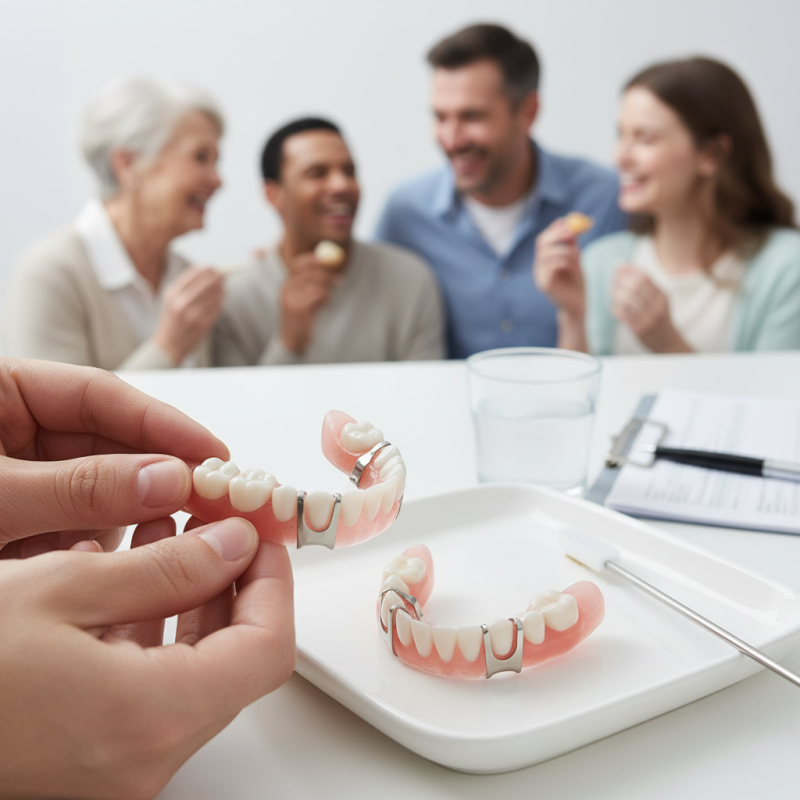
Understanding Removable Partials: A Brief Overview
Removable partial dentures (RPDs) offer significant benefits for those missing teeth. They restore functionality and enhance aesthetics. According to the American Dental Association, nearly 20 million Americans use removable dentures. This number highlights their prevalence and importance in dental care. RPDs allow individuals to maintain a natural appearance and chew food comfortably.
Understanding removable partials is crucial for patients considering their options. These prosthetics are customizable and can be removed easily for cleaning. A study published in the Journal of Prosthetic Dentistry indicates that RPDs can improve the quality of life by boosting confidence. They provide support for facial muscles, reducing sagging and enhancing smiles. Many patients report better speech and overall satisfaction with their dental health.
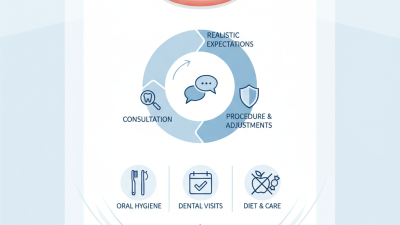
However, there are challenges to consider. Some patients struggle with the fit of removable partials, requiring adjustments. Maintenance is essential to prevent decay and gum disease. Regular dental visits are necessary for optimal performance. Despite their popularity, some may find the initial adaptation period uncomfortable. Awareness of these factors can help patients make informed decisions about their dental care.
Enhanced Comfort: The Advantage of Removable Partials
Enhanced comfort is a primary benefit of using removable partial dentures. These dental devices provide a flexible solution for missing teeth. Unlike full dentures, they replace only certain teeth, allowing for a more natural bite. This design helps in maintaining proper jaw alignment, which can alleviate discomfort.
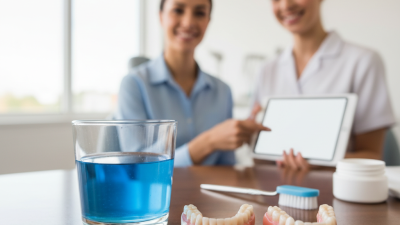
With removable partials, users can easily take them out for cleaning. This accessibility promotes better oral hygiene. Regular cleaning prevents gum disease and maintains the health of remaining teeth. Additionally, many find them more comfortable than fixed solutions. They can adjust to the shape of your mouth over time, enhancing general comfort.
However, some users may experience initial discomfort. This can be due to the learning curve when adjusting to the device. Partials may rub against the gums or cause minor irritation. It's essential for users to communicate with their dental professional about these issues. Adjustments can often be made to improve fit and comfort, leading to a more satisfying experience.
Improved Oral Function: Eating and Speaking with Ease
Removable partial dentures significantly enhance oral function, particularly in eating and speaking. Research shows that 91% of denture wearers report improved chewing efficiency with removable partials. These dentures fill gaps from missing teeth, allowing for better alignment during meals. Users can enjoy a varied diet, which is crucial for overall health.
Speaking clearly can also be a challenge without proper dental support. A recent study highlighted that 75% of individuals experienced improved speech articulation with removable dentures. These devices stabilize the remaining teeth, minimizing slippage. As a result, individuals gain confidence in social settings, which is essential for mental well-being.
However, wearing removable partials isn't always straightforward. Some users report issues with fit and comfort. Regular adjustments are necessary to avoid discomfort and ensure optimal function. Moreover, the need for proper care is critical. Neglecting oral hygiene can lead to complications. Balancing convenience and maintenance is vital for the best outcomes.
Aesthetic Benefits: Boosting Confidence with Removable Partials
Removable partial dentures (RPDs) offer significant aesthetic benefits. They can greatly enhance an individual’s smile. According to the American Dental Association, nearly 25% of adults aged 65 and older have lost all their teeth. This loss can lead to lowered self-esteem and social anxiety. Removable partials restore not just teeth, but confidence. Many users report feeling more comfortable in social situations after receiving dentures.
The fit and appearance of removable partials can mimic natural teeth. High-quality materials ensure they look lifelike. Research indicates that 80% of individuals with well-fitted partials feel positive about their appearance. This emotional uplift can improve overall quality of life. RPDs can also support facial structure, preventing the sunken look often associated with tooth loss. Feeling good about one’s smile encourages social interactions and improves mental health.
It's essential to note that not all removable partials are perfect solutions. Some users may experience discomfort in the beginning. Adjustment periods are common and can be frustrating. Consulting with dental professionals is vital for achieving the best results. Regular adjustments may be necessary. A commitment to maintaining oral hygiene is crucial, too. Users must reflect on their experiences to maximize the benefits of their removable partials.
Top 10 Benefits of Using Removable Partials for Dentures
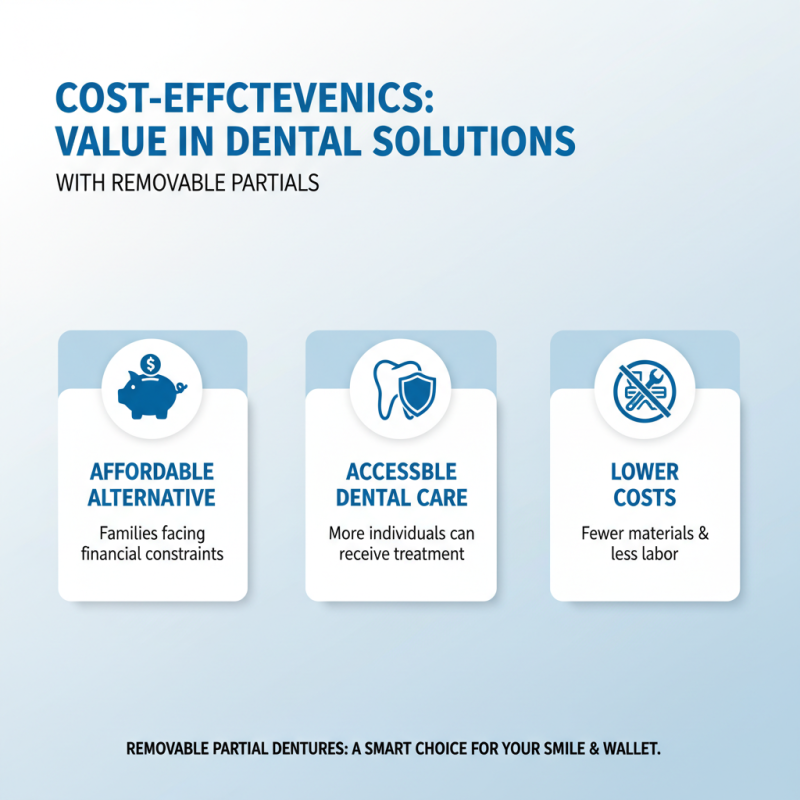
Cost-Effectiveness: Value in Dental Solutions with Removable Partials
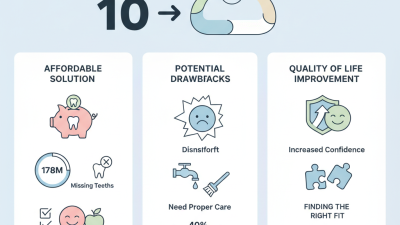
Cost-effectiveness is a significant advantage of using removable partial dentures. Many families face financial constraints when seeking dental solutions. Removable partials offer a more affordable alternative to full dentures. With fewer materials and less labor involved, the cost is typically lower. This makes dental care accessible for more individuals.
Additionally, removable partials can reduce long-term dental expenses. They are easy to maintain and repair. If a tooth breaks or the fit changes, adjustments are simpler and cheaper. This adaptability can save patients from costly procedures. Regular dental visits are still essential but can be less frequent. The flexibility of these dentures allows for easier adjustments over time.
However, some may find removable partials less aesthetically pleasing than other options. The visibility of clasps and other components can be a concern. Patients should weigh both appearance and practicality. Important to consider is the need for regular cleaning and care. Patients might neglect this maintenance, impacting oral health. It's crucial to strike a balance between cost-effectiveness and personal comfort.