The 5 Best Cosmetic Dental Veneers for a Perfect Smile?
In the quest for a perfect smile, many opt for Cosmetic Dental Veneers. These thin shells cover imperfections on teeth, enhancing their appearance. Dr. Emily Harris, a renowned cosmetic dentist, once stated, "Veneers can transform a smile but require careful consideration." This highlights the importance of understanding the pros and cons of cosmetic enhancements.
Choosing the right veneer type can be overwhelming. There are various options available, each with unique benefits and drawbacks. Some materials may look more natural, while others offer greater durability. Potential patients often must balance aesthetics with longevity. Reflecting on these choices is essential.
While Cosmetic Dental Veneers can produce stunning results, they are not a one-size-fits-all solution. Individuals must assess their dental needs and personal preferences. The journey to a radiant smile might include unexpected challenges. A thoughtful approach ensures that the final decision aligns with one’s vision.
The Importance of Cosmetic Dental Veneers in Modern Dentistry
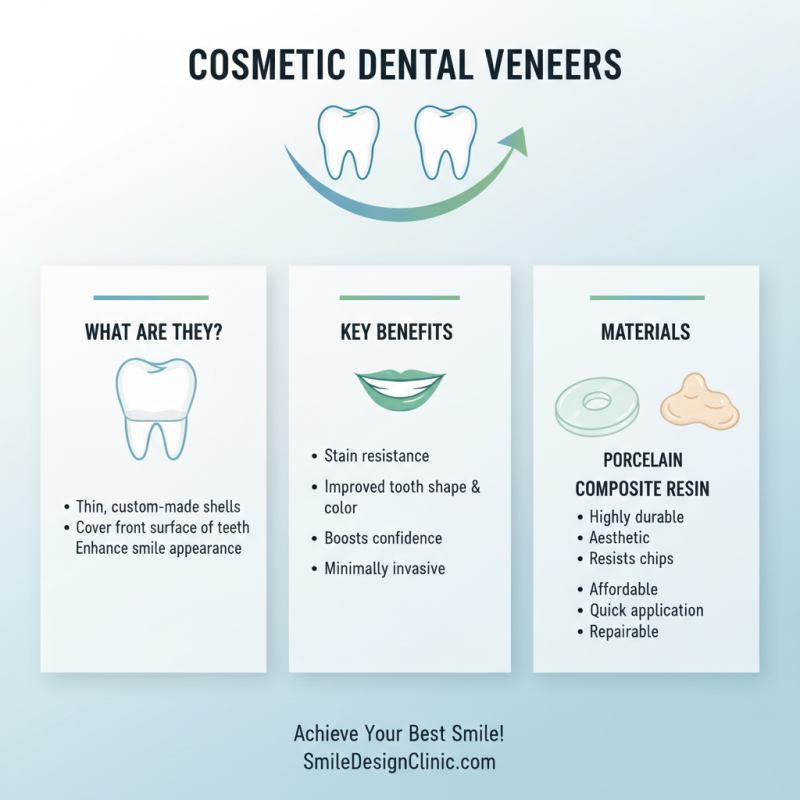
Cosmetic dental veneers have become essential in modern dentistry. These thin shells cover the front surface of teeth. They can improve the appearance of gaps, chips, or discoloration. Many people seek veneers to transform their smiles and boost their confidence. It’s remarkable how a small change can make a big difference in self-esteem.
However, the journey to a perfect smile is not always straightforward. Not everyone is a candidate for veneers. Some might have underlying dental issues that need attention first. There are also concerns about the durability of veneers. They can chip or wear down over time, requiring replacements. Regular maintenance and care remain crucial to ensure longevity.
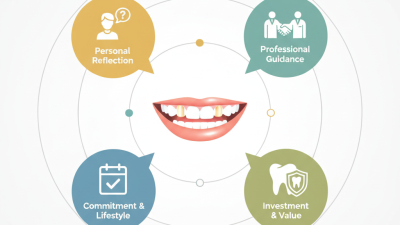
The process can be daunting for many. There are costs, concerns, and expectations to manage. It’s essential to consult with a qualified professional. They can provide personalized advice based on individual needs. Ultimately, the choice to pursue veneers should come from a place of self-reflection. The desire for a perfect smile should not overshadow the importance of overall dental health.
Types of Cosmetic Dental Veneers: Materials and Their Benefits
Cosmetic dental veneers are a popular choice for achieving a beautiful smile. These thin shells can enhance the appearance of teeth and boost confidence. The materials used for veneers play a crucial role in their effectiveness and longevity.
Porcelain veneers are one of the most common types. Made from high-quality ceramic, they closely resemble natural teeth. According to the American Academy of Cosmetic Dentistry, 90% of cosmetic dentists prefer porcelain for its durability and stain resistance. However, the application process can be invasive. It often requires shaving down the natural teeth, which can be uncomfortable for some patients.
Composite resin veneers are another option. They are less expensive and can be applied in one visit. However, they may not last as long as porcelain. Reports indicate that composite veneers typically last 5 to 7 years, while porcelain can last over 15 years. This difference raises questions about cost-effectiveness for patients. Stains can also be more noticeable on composites, leading to potential dissatisfaction down the line.
Both materials have their merits, but choosing the right one depends on individual needs and preferences. Consulting with a qualified dentist can help clarify the best option. Some patients wish they had spent more time considering their choice before proceeding. Reflections like these are common, emphasizing the importance of thorough research.
How to Choose the Right Dental Veneers for Your Smile
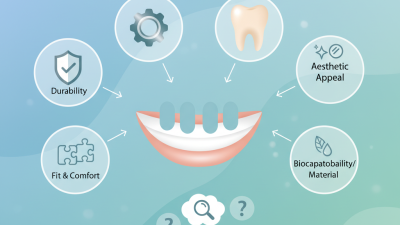
Choosing the right dental veneers is essential for achieving that perfect smile. When considering veneers, reflect on your own dental needs. Different materials, like porcelain and composite, have unique benefits and drawbacks. Porcelain is strong and can mimic natural teeth well but may be costlier. Composite is more affordable but might not last as long.
It's also crucial to consult with a qualified dentist. They can evaluate your oral health and guide you through your options. Ask yourself: How do I want my smile to look? Is durability more important than cost? Take the time to think about what truly makes you feel confident.
Lastly, focus on the color and shape of your veneers. They should enhance your natural features. Test how they would look on you. Imperfections are part of being human, and no smile is truly perfect. Ensuring that your veneers look natural and complement your face is essential. Don't rush the process; it’s about enhancing, not changing who you are.
Cost Analysis of the Top Cosmetic Dental Veneers on the Market
When considering cosmetic dental veneers, it's crucial to analyze the costs involved. Prices vary depending on several factors. These include the type of material used and the complexity of the treatment. Generally, the range for veneers can be between a few hundred to several thousand dollars per tooth.
It’s important to reflect on what you're getting for your money. While some materials may look great, they can wear down faster than expected. This might require replacements sooner, adding to long-term costs. Additionally, finding a skilled dentist may incur higher fees, but their expertise can impact the final result significantly. Choosing cheaper options may save money initially, but could lead to dissatisfaction later.
Understanding the full scope of the investment is vital. Some people may overlook the potential for additional procedures, such as teeth whitening or adjustments. These can drive up overall costs. With each option, weighing the pros and cons is essential. Misleading ads may paint a perfect picture, but reality often involves trade-offs. It's wise to approach the decision with caution and self-reflection.
Expert Recommendations: Maintaining Your Veneers for Longevity
Maintaining veneers requires dedication and care. Regular brushing helps, but it's not everything. Use a soft-bristled toothbrush to avoid scratching. Floss daily to keep your gums healthy. This simple step is often forgotten. Neglecting flossing can lead to plaque buildup.
Avoid certain foods that can damage your veneers. Sticky candies and hard nuts can pose risks. Hot foods can also loosen the bond over time. Always be cautious when enjoying your meals. Consider wearing a night guard if you grind your teeth. It's a small investment for long-term benefits.
Regular dental check-ups are crucial. Professional cleanings help maintain the veneer’s shine. Discuss any concerns with your dentist. They can offer valuable advice tailored to your situation. Remember, even imperfect maintenance practices can lead to issues. Being mindful of your habits is key. Take pride in your smile, but be prepared for challenges.
The 5 Best Cosmetic Dental Veneers for a Perfect Smile - Expert Recommendations
| Type of Veneer |
Material |
Lifespan |
Cost (per tooth) |
Maintenance Tips |
| Porcelain Veneers |
Dental Porcelain |
10-15 years |
$1,000 - $2,500 |
Regular brushing, avoid hard foods |
| Composite Veneers |
Composite Resin |
5-7 years |
$400 - $1,500 |
Regular dental checkups, avoid staining foods |
| Lumineers |
Ultra-thin Porcelain |
10-20 years |
$800 - $2,000 |
Follow a proper dental hygiene routine |
| Temporary Veneers |
Acrylic or Composite |
6 months - 1 year |
$150 - $500 |
Gentle cleaning, avoid excessive force |
| Stacked Veneers |
Porcelain or Ceramics |
10-15 years |
$1,200 - $3,000 |
Avoid biting hard objects, regular maintenance |