How to Care for Acrylic Partials: Essential Tips for Longevity and Comfort
When it comes to dental solutions, Acrylic Partials have emerged as a popular choice for individuals seeking a combination of comfort and functionality in their prosthetics. These removable dental appliances play a crucial role in restoring smiles and improving the overall quality of life for those with missing teeth. However, like any dental device, proper care is essential to ensure their longevity and continued effectiveness.
Understanding how to maintain and care for Acrylic Partials can greatly enhance their durability and your comfort. From regular cleaning routines to appropriate storage practices, there are several key strategies that can help you make the most of your partials. By implementing these essential tips, not only will you extend the lifespan of your Acrylic Partials, but you will also enjoy a more satisfying experience while wearing them. In this guide, we'll explore the best practices for caring for your Acrylic Partials, ensuring they remain a reliable part of your dental health regimen.
Understanding Acrylic Partials: Features and Benefits
Acrylic partials, known for their versatility and durability, are a popular choice in dental restorations. Made from a light, biocompatible material, these partial dentures offer a comfortable fit while effectively replacing missing teeth. According to a survey conducted by the American Dental Association, about 10% of adults aged 40 and older have some form of removable dental prosthesis, with acrylic partials being a favored option due to their natural appearance and ease of adjustment. The lightweight design ensures that they do not place excessive pressure on the gums, making them suitable for daily wear.
In addition to comfort, acrylic partials come with several benefits that enhance their functionality. Studies indicate that well-maintained acrylic partials can last anywhere from 5 to 10 years, depending on usage and care. Their non-porous surface minimizes stain absorption and bacterial growth, contributing to better oral hygiene. Moreover, acrylic allows for a more aesthetic tooth appearance, blending seamlessly with natural teeth, which is crucial for patient confidence. A noteworthy aspect is that the acrylic can be easily relined or repaired, allowing for adjustments that maintain the fit and comfort over time. Overall, the advantages of acrylic partials make them a reliable solution for individuals seeking effective tooth replacement options.
Daily Cleaning Routine for Acrylic Partials: Step-by-Step Guide
Maintaining the longevity and comfort of acrylic partials is essential for those who rely on them for effective dental solutions. A proper daily cleaning routine not only enhances the aesthetics of the partials but also minimizes the risk of oral health issues. According to industry reports from the American Dental Association (ADA), regular cleaning helps prevent the accumulation of plaque and bacteria, which can lead to gum disease and other oral problems.
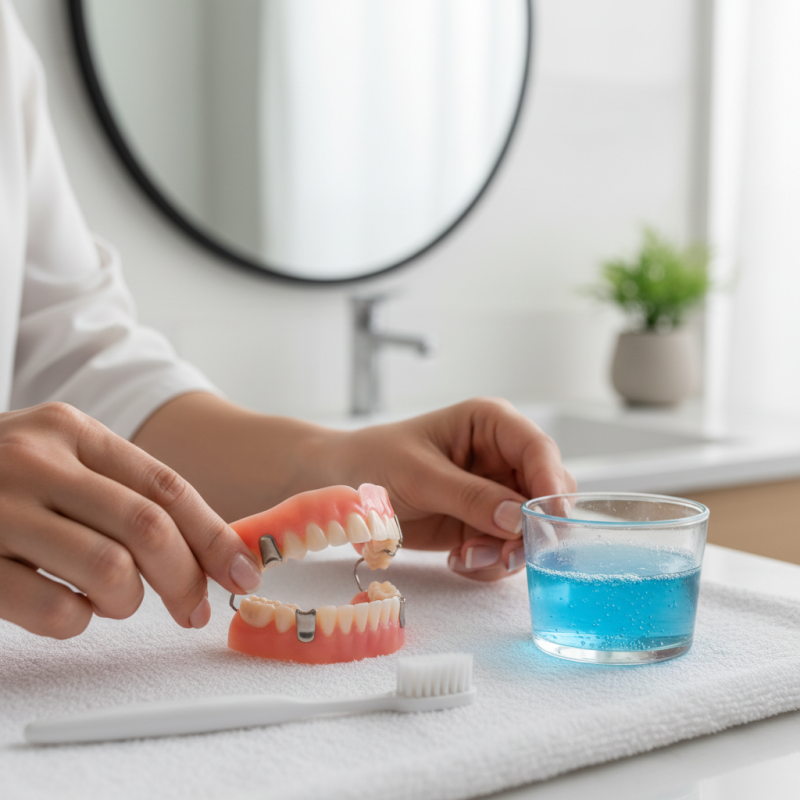
To begin your daily cleaning routine, rinse your acrylic partials under lukewarm water to remove food particles. After rinsing, carefully brush the partials using a soft-bristled toothbrush, employing non-abrasive denture cleaner or mild soap. This practice ensures the surfaces remain smooth and hygienic, as abrasive substances can damage the acrylic and create areas for bacterial growth. It’s crucial to avoid using regular toothpaste, which may contain abrasives that can scratch the acrylic surfaces.
Finally, after brushing, soak the acrylic partials in a denture-cleaning solution, following the manufacturer’s instructions for duration and concentration. This not only disinfects the partials but also helps keep them hydrated, preventing warping. Industry studies have shown that individuals who engage in comprehensive care routines, including daily cleaning and periodic professional check-ups, report higher satisfaction levels with their dental appliances, improving their overall quality of life. By adhering to these steps, users can ensure their acrylic partials remain in optimal condition, promoting both comfort and longevity.
Daily Cleaning Routine for Acrylic Partials
Proper Storage Techniques for Acrylic Partials
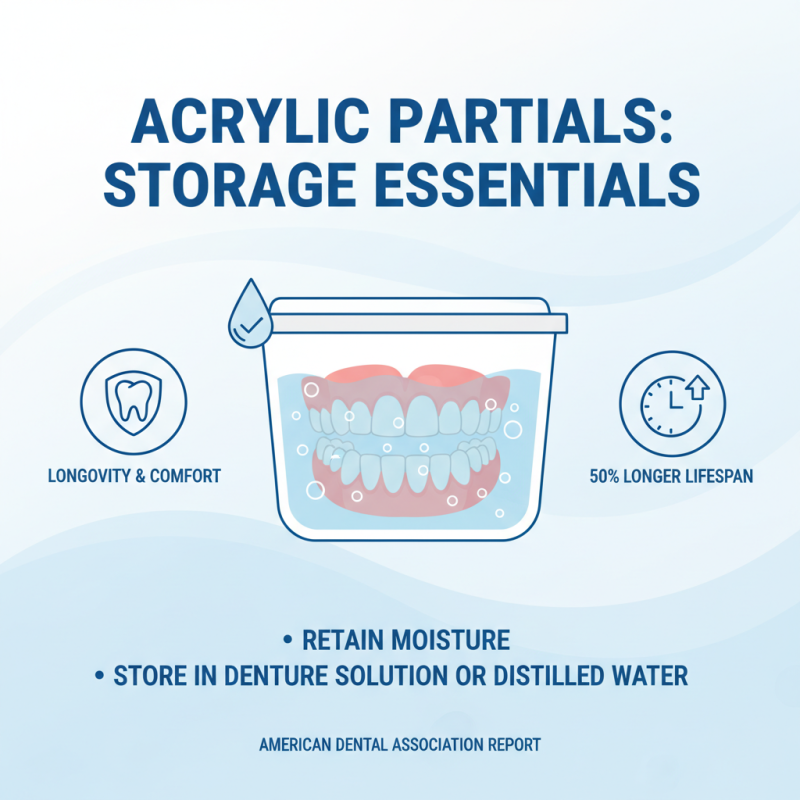
Proper storage of acrylic partials is essential to ensure their longevity and maintain optimal comfort for the user. According to a report from the American Dental Association, properly stored dentures can significantly reduce the risk of wear and damage, extending their life by up to 50%. Retaining moisture is crucial when storing acrylic partials, as drying out can lead to warping and loss of fit. Therefore, it's recommended to keep the partials immersed in a mild denture cleaning solution or distilled water when not in use.
Temperature and humidity play an important role in the storage environment of acrylic partials. The ideal conditions are a cool, dry place away from direct sunlight and extreme temperatures. A study published in the Journal of Prosthodontics noted that fluctuations in temperature can weaken the acrylic material over time, leading to fracture risks. Users should also avoid storing their partials in hot environments, such as near kitchen appliances or in a car, to prevent alterations in shape that could impair functionality and comfort. For added safety, using a protective case for storage can prevent accidental damage and keep the partials clean.
Common Issues and Their Solutions for Acrylic Partials
Acrylic partial dentures are a popular choice for those who need to replace missing teeth, but they can sometimes present common issues that affect their comfort and longevity. One frequent problem is irritation or soreness in the gums where the denture sits. This can occur due to improper fit or excess pressure on the gums. To solve this issue, it's essential to visit your dentist for adjustments, ensuring that the acrylic partial fits snugly without causing discomfort. Additionally, maintaining proper oral hygiene is crucial. Clean your dentures daily with a soft brush and non-abrasive cleaner to prevent bacteria buildup.
Another concern is staining of the acrylic material, which can occur over time, especially with certain foods and beverages. To combat discoloration, it's advisable to remove your dentures at night and soak them in a denture cleaning solution while you sleep. This not only helps with cleaning but also allows your gums to rest. If staining occurs, consider using a special denture cleanser or discussing professional cleaning options with your dental provider. By addressing these common issues proactively, you can ensure your acrylic partials remain comfortable and functional for years to come.
Regular Maintenance: Professional Cleanings and Check-ups
Regular maintenance is crucial for ensuring the longevity and comfort of acrylic partials. One of the best ways to achieve this is through professional cleanings and regular check-ups with your dental care provider. These visits allow for thorough cleaning that your routine at home may not achieve, removing stubborn plaque and bacteria that can accumulate over time. Additionally, dental professionals can assess the fit of your acrylic partials, making adjustments as necessary to enhance comfort and function.
To keep your acrylic partials in top shape between these professional appointments, some key tips can be helpful. Firstly, always soak your partials in a cleaning solution recommended by your dentist, as this can help break down any buildup and maintain clarity. Secondly, use a soft-bristle brush to clean the dentures daily, ensuring you reach all surfaces without causing scratches. Finally, it's essential to handle your partials with care; never bend or apply excessive force, as acrylic can be fragile. Incorporating these practices into your daily routine will significantly contribute to the comfort and lifespan of your acrylic partials.