Why Choose Digital Dentures for Your Dental Health Needs?
In the realm of dental health, the advent of Digital Dentures marks a transformative shift. Dr. Emily Carter, a leading expert in dental technology, once stated, “Digital Dentures offer precision and comfort that traditional methods struggle to achieve.” This innovation not only enhances the fit but also streamlines the process for both dentists and patients.
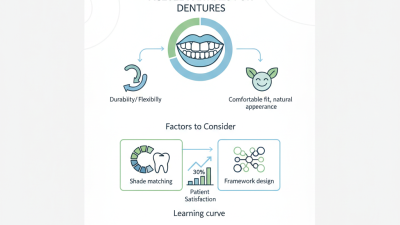
Digital Dentures are crafted using advanced imaging techniques. This ensures a personalized fit tailored to each patient's unique anatomy. However, the shift to digital methods does bring challenges. Some may feel apprehensive about new technologies. Adapting to digital workflows requires both practitioners and patients to embrace change. This can be daunting for those accustomed to conventional denture fabrication.
Despite the learning curve, the benefits are clear. Digital Dentures reduce the time needed for fittings. They often lead to improved patient satisfaction. As dental care evolves, it's essential to reflect on these new advancements and their implications for future treatments. Embracing Digital Dentures can significantly enhance your dental health experience.
Advantages of Digital Dentures Over Traditional Options
Digital dentures offer significant advantages over traditional methods. A study from the American Dental Association found that digital denture technology can reduce fitting times by up to 40%. This efficiency leads to quicker appointments and savings in dental visits. Patients often prefer this speed, but some may miss the personal touch of face-to-face adjustments.
Precision is another notable benefit. Digital dentures are crafted using 3D imaging and CAD/CAM technology. This means a more accurate fit tailored to each patient’s unique anatomy. A survey indicated that 85% of users reported higher satisfaction levels compared to conventional dentures. However, some users express concerns about the initial learning curve and the reliance on technology.
Cost can also be a factor. Digital dentures may have a higher upfront cost due to advanced technology. Yet, the longevity and durability can offset these expenses. Reports show that digital dentures typically last longer than traditional ones, which can lead to cost savings over time. Nevertheless, not everyone may find this investment immediately appealing, especially without firsthand experience.
Why Choose Digital Dentures for Your Dental Health Needs? - Advantages of Digital Dentures Over Traditional Options
| Feature |
Digital Dentures |
Traditional Dentures |
| Customization |
Highly customizable using CAD/CAM technology |
Limited customization options |
| Fit & Comfort |
Precise fit due to digital scanning |
May require multiple adjustments |
| Production Time |
Faster production with 3D printing |
Longer production time |
| Durability |
More durable materials available |
Wear and tear over time |
| Aesthetic |
Natural appearance with advanced materials |
Less natural look |
| Maintenance |
Easier to clean and maintain |
More complex cleaning procedures |
How Digital Dentures Are Customized for Individual Patients
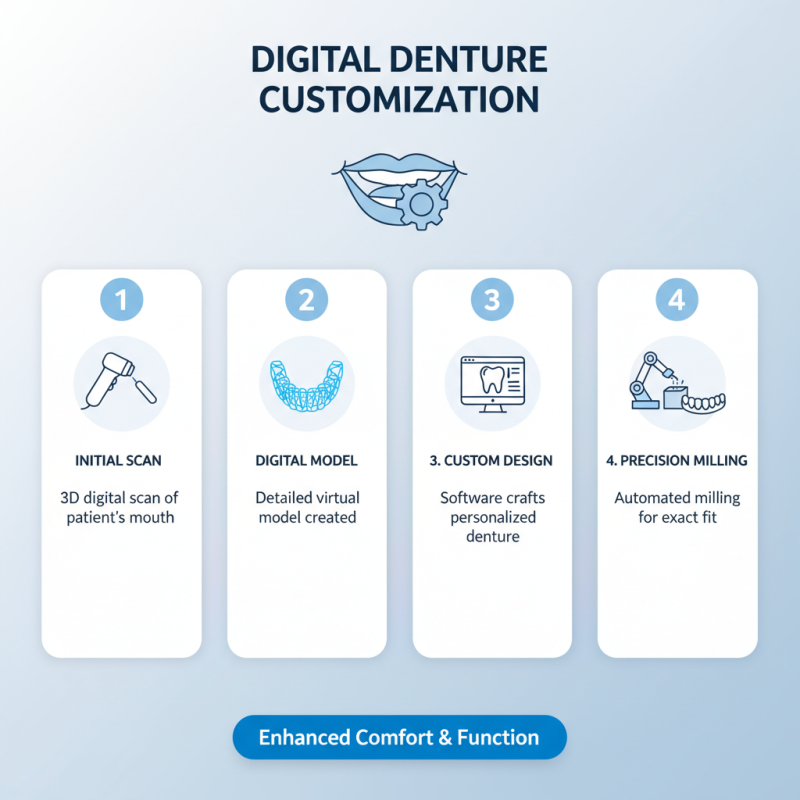
Digital dentures offer a personalized approach to dental health. Each patient's mouth is unique. The custom fitting is crucial for comfort and function. Every step in the design process uses advanced technology. A digital scan of the patient's mouth creates a detailed model. This model serves as the foundation for crafting the denture.
With this technology, adjustments can be made easily. If something feels off, modifications are straightforward. Sometimes, though, patients report discomfort even with digital options. It’s important to communicate issues promptly. Don't hesitate to return for tweaks.
Tips: Consider bringing a list of your preferences. This helps the dental professional understand your needs better. Regular follow-ups can ensure your dentures remain functional. Remember, great fitting takes time. Each piece needs to feel just right in your mouth. Adjustments are part of the journey to optimal dental health.
The Technology Behind Digital Denture Fabrication
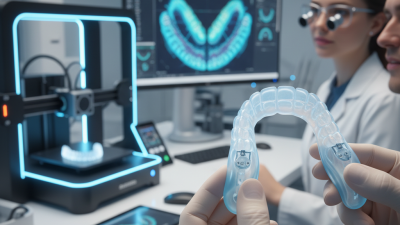
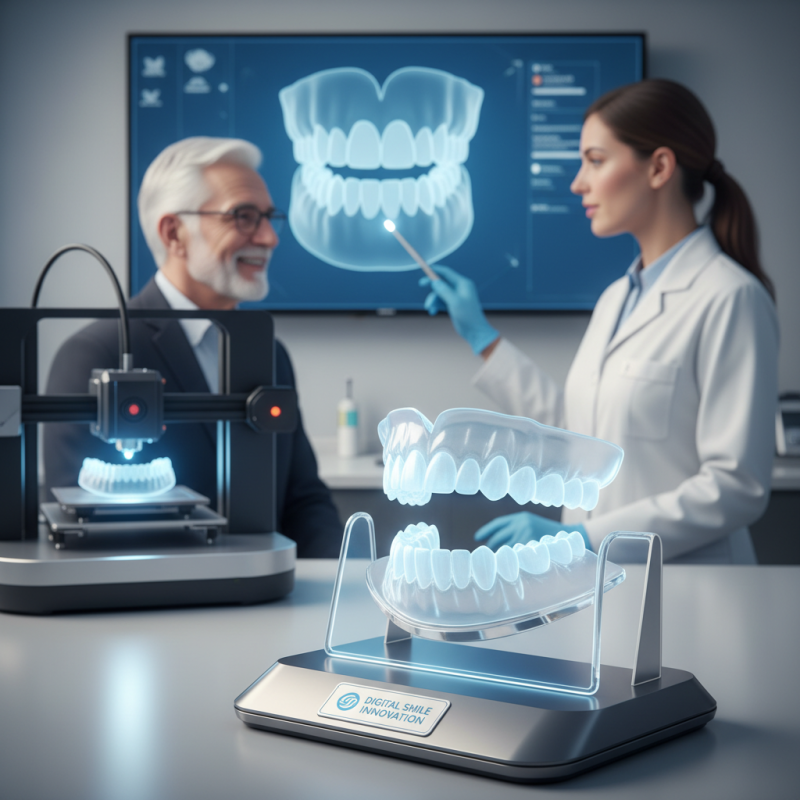
Digital dentures are changing the way we approach dental prosthetics. The technology behind digital denture fabrication is fascinating. It employs advanced 3D scanning and printing methods. This results in precise and custom-fitted dentures that enhance comfort and function.
Using digital tools, dentists can create a 3D model of a patient's mouth. This model allows for accurate measurements and adjustments. The fabrication process is often quicker than traditional methods. However, the technology may not be perfect. Some patients report that the initial fit can require further tweaking.
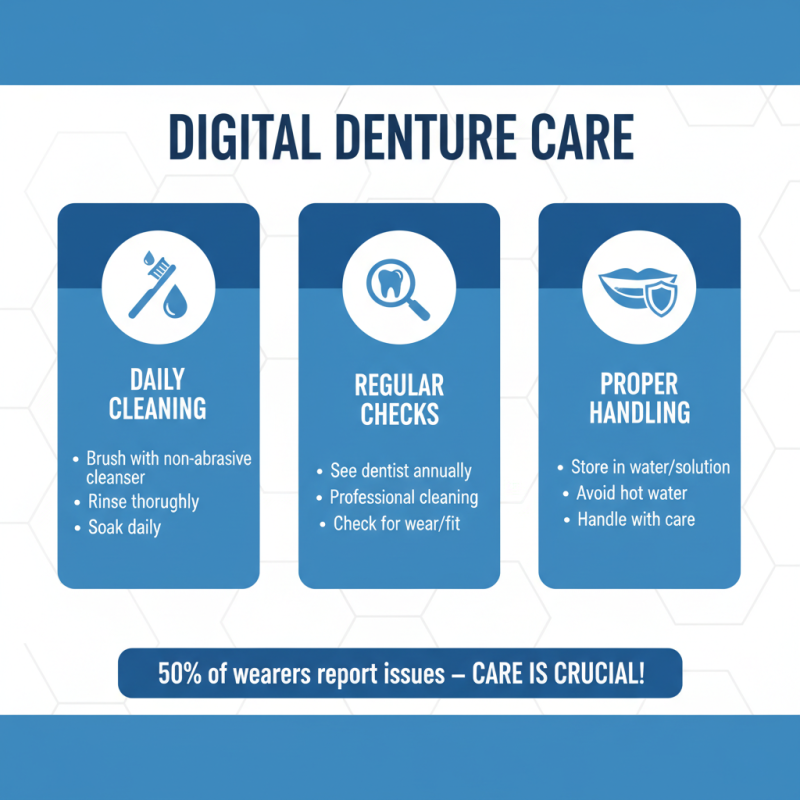
Tips: When considering digital dentures, communicate openly with your dentist. Ask about the materials used and their longevity. It’s important to voice any concerns during fittings. Also, consider maintaining good oral hygiene. This can help increase the lifespan of your dentures.
Digital dentures offer a unique solution for many. They adapt to individual needs through technology. Yet, one should remain patient. Adjustments may be necessary to ensure optimal comfort and function.
Advantages of Digital Dentures Over Traditional Dentures
Patient Satisfaction and Success Rates with Digital Dentures
Digital dentures are gaining traction in modern dentistry. Recent studies indicate that patient satisfaction with digital dentures is notably high. According to a report by the American Dental Association, nearly 90% of patients reported being satisfied with their digital dentures. This method allows for more precise fitting due to advanced imaging technology. As a result, many patients experience improved comfort and functionality.
Success rates for digital dentures are also impressive. Research published in the Journal of Prosthetic Dentistry shows a success rate of over 95% in retention and usability within the first year. However, it's essential to acknowledge that some patients may face adaptability challenges. Adjustments may be necessary during the initial wear period. Each patient’s experience can vary, which means ongoing assessments are critical for achieving optimal results.
Moreover, digital dentures can also highlight some shortcomings. Some users report issues with aesthetics or specificity in design. While technology advances rapidly, achieving the perfect personalized fit is still a work in progress. It's an area that requires patience and communication with dental professionals. This evolving field offers a glimpse into future enhancements but acknowledges its current limitations as well.