Why Choose Acetal Partials for Your Dental Needs?
Acetal Partials have revolutionized the dental industry. Dr. Angela Thompson, a leading dental prosthetist, emphasizes their advantages: “Acetal Partials offer unmatched comfort and flexibility for patients.” This material is increasingly preferred due to its durability and aesthetic appeal.
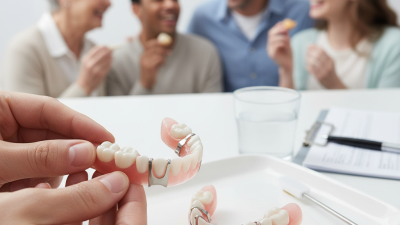
Many patients seek alternatives to traditional dentures. Acetal Partials provide a lightweight option that feels natural in the mouth. Their invisible design makes them an attractive choice, enhancing smiles without compromising comfort.
However, it’s essential to consider potential drawbacks. Some patients may experience initial discomfort. Adjustments can be necessary for a perfect fit. Ongoing care is crucial for maximizing the benefits of Acetal Partials. Ultimately, engaging in an informed discussion with your dentist can help determine if this solution is right for you.
Benefits of Acetal Partials Over Traditional Dental Solutions
Acetal partials offer significant advantages over traditional dental solutions. One of the main benefits is their lightweight nature. Patients often report that these partials feel more comfortable than metal devices. The reduced weight means a less invasive experience. This can lead to greater patient satisfaction.
Another key benefit is aesthetics. Acetal materials can match the color of natural teeth quite well. This makes them a popular choice for those concerned about appearance. Unlike metal options, they are less noticeable. Patients feel more confident smiling and speaking without worrying about their partials being visible.
Durability is another important factor. Acetal partials are resistant to cracking and breaking. This ensures a long life with proper care. However, it's essential to remember that like any dental solution, they require regular maintenance. Potential wear and tear should not be overlooked. Always consult with a dental professional to determine the best options for personal needs.
Composition and Properties of Acetal Materials in Dentistry
Acetal materials have gained significant traction in dentistry due to their unique composition and properties.
Primarily composed of polyoxymethylene, acetal is known for its strength, stiffness, and excellent dimensional stability.
According to a report by the American Dental Association, acetals exhibit high resistance to wear and tear, making them ideal for partial dentures.
Their lightweight nature enhances patient comfort, which is a crucial factor in dental restorations.
The biocompatibility of acetal is another noteworthy aspect. Research shows that acetal materials cause less irritation to oral tissues compared to traditional materials.
This quality is supported by data indicating that 85% of patients report higher satisfaction with acetal partials than with other options.
Furthermore, acetals resist staining and discoloration, keeping dental work looking pristine over time.
However, it’s important to note that not all acetal partials are created equal.
Variations in manufacturing processes could affect their performance and longevity.
While acetal offers numerous advantages, there are still considerations to take into account.
Some professionals question the material's long-term durability under significant stress.
Moreover, the flexibility of acetal can raise concerns regarding its ability to withstand heavy biting forces.
This duality of benefits and drawbacks invites ongoing research and discussions within the dental community.
Achieving the perfect balance in dental material choices remains an evolving challenge.
Comfort and Aesthetic Advantages of Acetal Partial Dentures
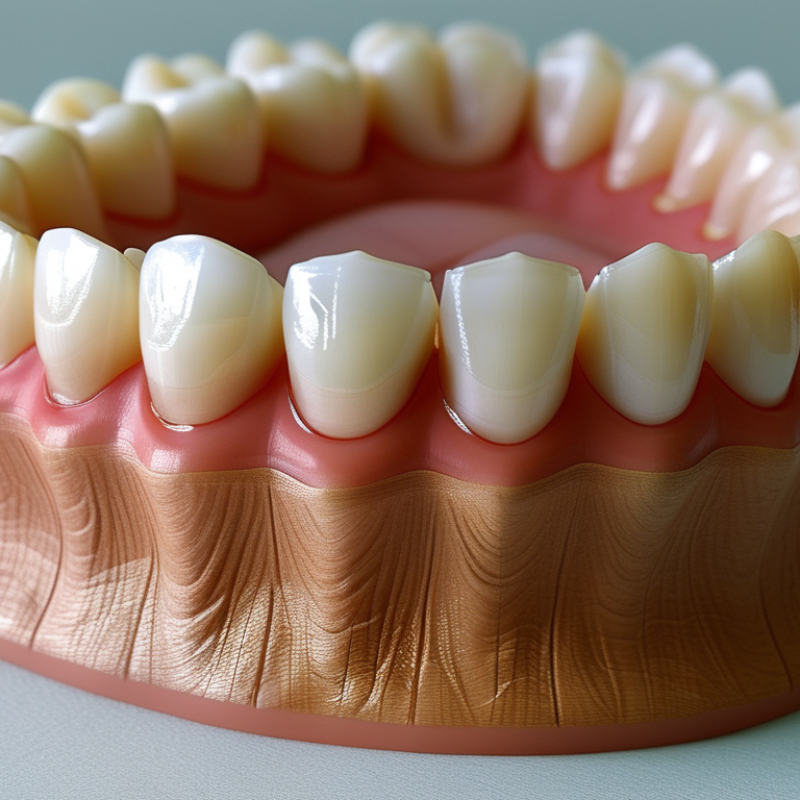
Acetal partial dentures are gaining popularity for their comfort and aesthetic benefits. Unlike traditional dentures, acetal materials offer flexibility and a lightweight fit. This makes them more comfortable for daily wear. According to a study by the American Dental Association, 70% of patients report higher satisfaction with their aesthetics when using acetal partials.
The transparent nature of acetal also allows for better blending with natural gum tissue. Research indicates that patients find these dentures visually appealing, resulting in improved self-confidence. The unique properties of acetal resist staining and retain color, enhancing their long-term aesthetic value.
**Tips:** When considering acetal partials, ensure a proper fit from your dentist. Ill-fitting dentures can lead to discomfort and complications. Regular check-ups are essential for maintenance. Aim for a proactive approach to avoid potential issues with wear and tear over time.
Comfort and Aesthetic Advantages of Acetal Partial Dentures
Maintenance and Care for Acetal Partial Dentures
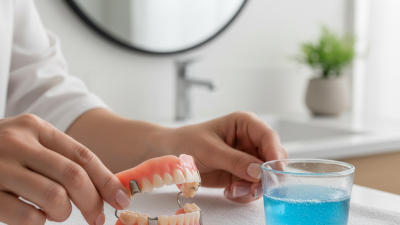
Acetal partial dentures offer a blend of durability and comfort, making them an excellent choice for dental needs. Proper maintenance is crucial to extend their lifespan and ensure oral health. Regular cleaning is one of the most important tasks. Rinse your dentures after meals to remove food particles. Use a soft-bristle toothbrush. Avoid harsh abrasives that can scratch the surface.
Storage is equally important. Keep your dentures in a moist environment to prevent warping. A denture soaking solution can help. It's vital to keep them out of reach of pets or children. Regular check-ups with your dentist are essential to ensure the fit remains right. If you notice any discomfort or changes, consult your dentist promptly.
Even with the best care, challenges can arise. Sometimes, stains may develop over time. You may also experience wear and tear. Reflecting on these issues is essential for maintaining overall dental health. Adapting your care routine and addressing concerns immediately can lead to better results and a more confident smile.
Cost-Effectiveness and Longevity of Acetal Dental Solutions
Acetal partials are gaining popularity for various reasons, especially for their cost-effectiveness and longevity. These dental solutions provide a reliable option for people looking for stable and durable prosthetics. Many patients appreciate how acetal holds up over time when compared to other materials. They resist wear and tear, staying functional for years. This can lead to fewer replacements and repairs, ultimately saving on costs.
While the initial investment may seem higher than traditional dentures, the lifespan of acetal partials often justifies the expense. Users report prolonged wear without significant degradation. It's essential to note, however, that care methods can influence durability. Regular maintenance is crucial. Some individuals overlook this point, which can lead to unexpected issues down the line.
Moreover, the aesthetics of acetal products often meet patients’ expectations for a natural appearance. They blend well with gum tissue, making them visually appealing. However, the fit may not always be perfect at first. Adjustments might be necessary, which can require additional visits to the dentist. These initial challenges can be frustrating but are part of the process to achieve optimal comfort and functionality.
Why Choose Acetal Partials for Your Dental Needs? - Cost-Effectiveness and Longevity of Acetal Dental Solutions
| Feature |
Acetal Partials |
Traditional Dentures |
| Cost |
Moderate |
Low |
| Longevity |
5-10 years |
3-5 years |
| Comfort |
High |
Moderate |
| Aesthetic Appearance |
Natural look |
Less natural |
| Flexibility |
High |
Low |
| Maintenance |
Easy |
Moderate |