How to Choose the Right Removable Partials for Your Needs?
Choosing the right removable partials can be a daunting task. Dr. Emily Carter, a leading expert in prosthodontics, emphasizes, "Finding the right fit is essential for both comfort and function." Her insight highlights the importance of personalized choices in dental solutions.
Removable partials serve as practical solutions for missing teeth. They can restore your smile and improve bite function. However, the variety of options may confuse patients. Understanding your specific needs is crucial.
Consider factors like aesthetics and comfort. Some may prioritize natural appearance, while others seek durability. Reflecting on these desires can lead to better choices. Each person's dental structure and lifestyle will influence the decision. Therefore, it’s vital to consult a dental professional for tailored advice.
Understanding Removable Partials: What Are They and Their Benefits
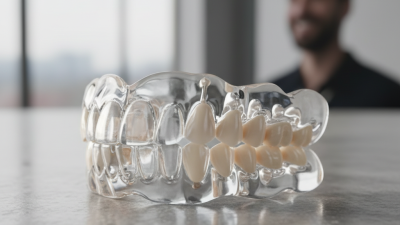
Removable partials are dental appliances designed to replace missing teeth. They consist of a metal framework and acrylic teeth. These devices help restore not only your smile but also your ability to chew comfortably. The benefits of removable partials include improved aesthetics and enhanced oral function. Many patients find them easier to maintain than fixed options.
When choosing removable partials, consider your specific dental needs. Consultation with a dental professional is essential. They can provide personalized recommendations based on your oral health and budget. The design process may require several visits, and adjustments might be necessary for a perfect fit. Patience is key.
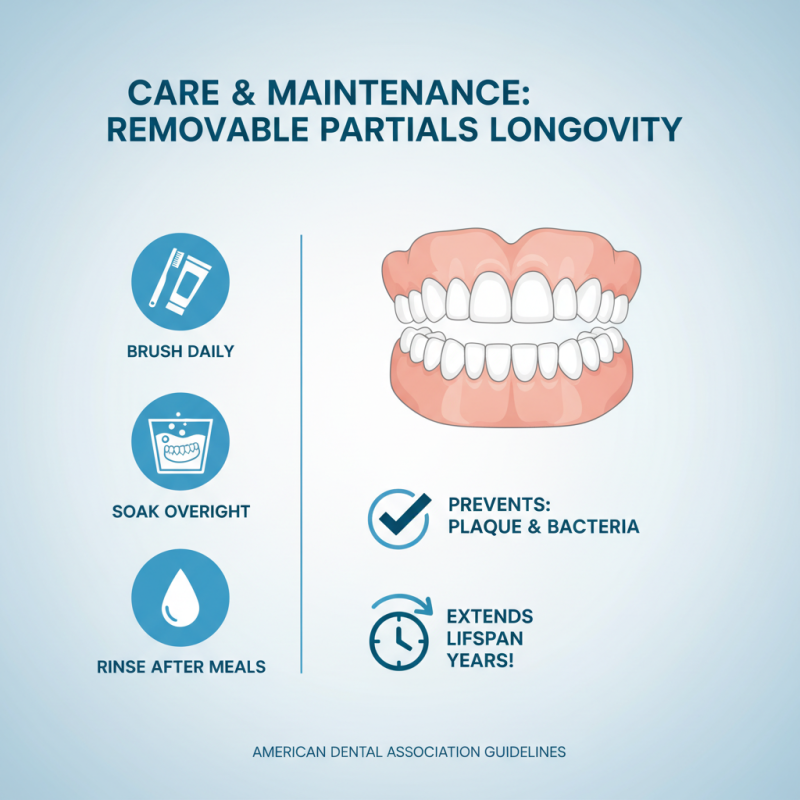
Tips: Regular cleaning is crucial for longevity. Always use a soft brush and gentle cleanser. Schedule routine check-ups to monitor fit and function. Be open to discussing any discomfort with your dentist. Every mouth is unique, and adjustments can make a significant difference. Remember, your comfort is the priority.
Types of Removable Partials: Exploring Different Materials and Designs
When exploring removable partial dentures, the choice of material and design is crucial. A variety of materials are available, each offering distinct benefits. Acrylic is a common choice, known for its lightweight nature. It's ideal for those seeking comfort and affordability. Metal partials tend to be more durable. They can better withstand wear and are often less noticeable. However, the rigidity of metal may not suit everyone.
Design also plays a key role in how well a partial fits. Clasp designs vary in complexity, influencing retention and stability. A flexible design may offer more comfort, but it might not provide the same level of support. It's essential to consider how these choices align with lifestyle needs and personal preferences. Some users report discomfort with certain clasps, reflecting the need for thoughtful selection.
Finding the right blend of material and design requires careful consideration. Consultation with a dental professional can help navigate these options effectively. Balancing comfort and functionality is often a personal journey, with each individual having unique requirements. It's important to reflect on past experiences with dentures to make a more knowledgeable decision.
Assessing Your Dental Needs: Factors to Consider When Choosing Partials
When assessing your dental needs for removable partials, consider your overall oral health. Are your remaining teeth strong? Weak teeth may not support a partial effectively. Ensure you consult with a dental professional who can evaluate your condition. They can guide you through the various options available.
Another key factor is your lifestyle. How often do you eat out? Do you have a busy schedule? If you frequently dine away from home, choose removable partials that are easy to maintain. Comfort is also crucial. Some patients experience irritation with certain designs or materials. Finding a balance between aesthetics and function can be challenging. It’s essential to communicate these concerns with your dentist.
Your budget and insurance coverage play significant roles too. Not everyone can afford the best options. Explore various financial plans and product types. Remember, cheaper is not always worse; quality varies. Reflect on your priorities and make informed decisions. Each choice impacts your comfort and confidence. Take time to think through all aspects before settling on a design.
Consultation Process: Working with Your Dentist for the Best Fit
Choosing removable partials can be daunting. The consultation process with your dentist plays a crucial role. This is not just about aesthetics; it's about functionality and comfort. Studies suggest that 40% of patients feel unsatisfied with the fit of their dentures, highlighting the importance of thorough consultation.
During your appointment, discuss your dietary habits and lifestyle. For instance, if you enjoy crunchy foods, you need a design that offers stability. Dentists often use digital modeling to visualize how the partials will fit. This technology can improve accuracy by up to 30%, ensuring a snug fit. However, not all practices use these tools, which can lead to discrepancies.
After the initial fittings, adjustments are sometimes required. About 25% of patients experience discomfort in the first few weeks. Your dentist should be responsive to your feedback. Regular follow-ups can make a significant difference in how comfortable you feel. Finding the right removable partials is a journey, not just a one-time decision. Prioritize communication with your dental professional for the best results.
How to Choose the Right Removable Partials for Your Needs?
| Criteria |
Description |
Importance Level |
Consultation Tips |
| Material |
Choose between acrylic, metal, or flexible options based on comfort and durability. |
High |
Discuss the pros and cons of each material with your dentist. |
| Fit |
A well-fitting partial ensures comfort and functionality. |
Critical |
Mention any discomfort or issues with current fit during consultations. |
| Aesthetics |
Consider color and appearance to match natural teeth. |
Medium |
Ask to see samples or photos of finished products for reference. |
| Maintenance |
Some materials require more care than others. |
Medium |
Inquire about cleaning routines and maintenance requirements. |
| Cost |
Prices vary based on materials and complexity of design. |
High |
Discuss your budget upfront to find suitable options. |