Top Tips for Choosing Smile Veneers for a Perfect Smile?
In the pursuit of a perfect smile, many people turn to Smile Veneers as an effective solution. According to a recent study conducted by the American Academy of Cosmetic Dentistry, approximately 62% of adults feel that an attractive smile is a key social asset. This growing demand highlights the importance of making informed choices when selecting veneers.
Dr. Emily Carter, a leading expert in cosmetic dentistry, emphasizes, “Choosing the right Smile Veneers is crucial for not only aesthetics but also for long-term oral health.” Her insights reflect the need to consider factors such as material quality, shade matching, and the expertise of the dental practitioner. The vast array of options can be overwhelming, making it essential to reflect on both desired outcomes and the potential risks involved.
While many achieve stunning results with Smile Veneers, there are stories of dissatisfaction stemming from poor choices or miscommunications with dental professionals. The journey to an ideal smile should incorporate careful consideration of individual needs and professional guidance. After all, a perfect smile is not just about looks; it’s about feeling confident and healthy in your own skin.

Understanding Smile Veneers: Types and Materials Explained
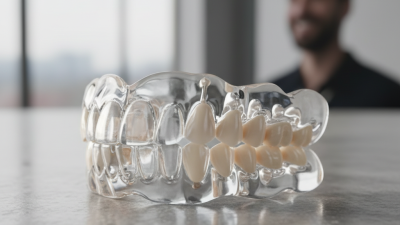
When choosing smile veneers, understanding their types and materials is crucial. Veneers can be made from porcelain or composite resin. Porcelain veneers are durable and stain-resistant. They mimic the natural look of teeth quite effectively. However, they may be more expensive and require some enamel removal. Composite veneers are cost-effective and can be applied in one visit. They are less durable yet can be easily repaired if chipped.
The material choice should reflect your lifestyle. If you drink coffee or tea frequently, porcelain might be better due to its resistance to stains. Composite veneers can show wear over time. This choice could impact your smile in the long run.
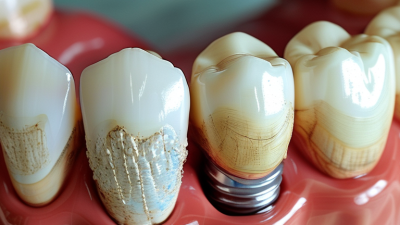
It's also worth considering how the veneer procedure fits into your dental health. Some people may experience increased sensitivity afterward. Others might find the color doesn't match perfectly with their natural teeth. Consulting with a dental professional helps clarify your options. They can help address your concerns. Remember, achieving a perfect smile takes time and careful thought.
Assessing Your Dental Needs: Consulting with a Professional
Choosing smile veneers can be daunting. Before making decisions, consulting a dental professional is crucial. They will assess your dental needs accurately and guide you through the options. Different veneers cater to various issues, from color to shape.
Your dentist will examine your teeth, gums, and overall oral health. This assessment helps in creating a personalized treatment plan. Sometimes, patients have unrealistic expectations. It’s essential to understand that veneers are not a one-size-fits-all solution. Discussions about potential discomfort or adjustments may arise.
Listening to your dentist's advice can enhance your journey toward a perfect smile. They may recommend additional treatments to ensure the best outcome. Remember, achieving that flawless look takes time and care. Embrace the process for a lasting transformation.
Evaluating Aesthetic Goals: Finding Your Ideal Smile Design
When considering smile veneers, defining your aesthetic goals is crucial. Your ideal smile design should reflect your personality. Research indicates that 80% of patients prefer a smile that looks natural and aligns with their facial features. It's essential to assess your current dental health and discuss your vision with a dental professional.
In the selection process, transparency is key. Many individuals idealize a "Hollywood" smile, but not every smile suits every face. A study revealed that only 50% of patients were satisfied with their veneers due to unrealistic expectations. A skilled dentist can help navigate these goals, ensuring that your new smile enhances rather than overshadows your natural appearance. Consider the dimensions of your face, the shape of your teeth, and even your skin tone.
Realistic outcomes often require a balance between aesthetic desires and achievable results. Overly white veneers can appear unnatural. Many sources report that 65% of successful smile transformations come from patient-dentist collaboration. Reflecting on what you truly want can foster a satisfying experience. Smile veneers should enhance happiness, not create regret.
Considering Budget and Longevity: Costs of Smile Veneers
When choosing smile veneers, budget and longevity are crucial factors. The costs can range from $500 to $2,500 per tooth, depending on the material used and the dentist's expertise. Porcelain veneers are often more expensive than resin options. According to a survey by the American Academy of Cosmetic Dentistry, 73% of dentists reported that patients are increasingly concerned about costs. This shows a shift toward more budget-conscious choices.
Longevity is also a key consideration. Most veneers last between 10 to 15 years, but this varies based on individual care. Studies indicate that proper oral hygiene can extend the life of veneers. However, many patients overlook maintenance and face issues like chipping or discoloration. A report from the Journal of Prosthetic Dentistry highlights that about 15% of veneer patients experience some failure within the first five years, prompting a need for replacements.
Patients should weigh these factors carefully. While cheaper options may be tempting, they often compromise quality and durability. Investing in high-quality materials and skilled professionals can pay off in the long run. Reflecting on your choice today can lead to a better smile tomorrow.
Top Tips for Choosing Smile Veneers for a Perfect Smile
| Dimension |
Description |
Average Cost (per tooth) |
Longevity |
| Material |
Types of materials used for veneers. |
$900 - $2,500 |
10-15 years |
| Preparation |
How much tooth preparation is required. |
Varies |
Up to 10 years |
| Customization |
The degree to which veneers can be customized. |
Varies |
10-20 years |
| Maintenance |
Level of care needed to maintain veneers. |
N/A |
Indefinite with proper care |
| Brand Variability |
Different brands offer various materials and techniques. |
$1,000 - $3,000 |
Depends on brand |
Post-Procedure Care: Maintaining Your Smile Veneers Effectively
Caring for your smile veneers is crucial for maintaining their appearance and longevity. After the procedure, it’s essential to avoid certain foods. Hard, sticky, and staining foods can damage veneers. Statistics indicate that 20% of veneer wear is linked to dietary choices. For instance, chewing ice or hard candy can result in cracks.
Proper oral hygiene is vital. Brush your teeth twice daily and floss regularly. Use a non-abrasive toothpaste to prevent scratches. According to the American Academy of Cosmetic Dentistry, over 70% of veneer patients report improvements in oral care habits following their procedure. Regular dental check-ups can help catch potential issues early.
Even with great care, chips and stains can occur. If a veneer chips, it may need repair. Surveys show that about 15% of patients experience some form of veneer damage within the first five years. It’s essential to be proactive. Communicate with your dentist if you notice any changes. They can provide tailored advice for your specific situation, ensuring your smile remains vibrant.