How to Choose the Best Cosmetic Dental Implants for You?
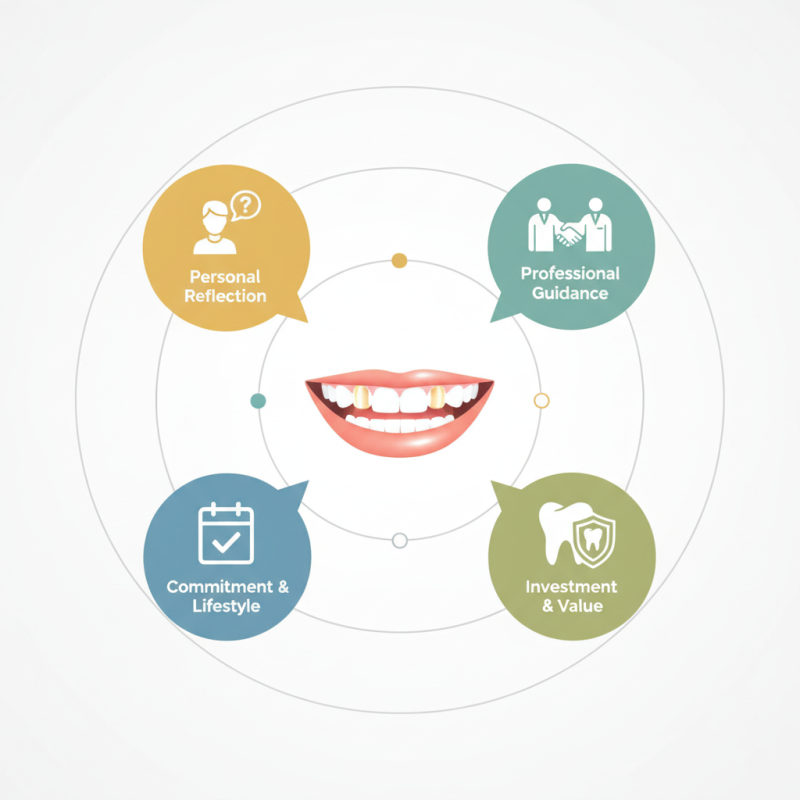
When considering cosmetic dental implants, the journey can feel overwhelming. Dr. Emily Chen, a leading expert in cosmetic dentistry, notes, "Choosing the right implants often requires personal reflection and professional guidance." This highlights the importance of understanding your unique needs and expectations.
Cosmetic dental implants offer a way to restore your smile. They enhance both appearance and function. However, different options exist in materials, sizes, and procedures. A misstep in choosing the right implant might lead to discomfort or aesthetic dissatisfaction.
Reflect on your lifestyle and dental health. Are you ready for a commitment? Cosmetic dental implants are more than a quick fix; they require careful thought. Ideally, you should consult with a qualified professional to explore options tailored to you. Your smile is a valuable asset; invest wisely.
Understanding the Basics of Cosmetic Dental Implants
Cosmetic dental implants have transformed the field of dentistry. They provide a permanent solution for missing teeth, enhancing both function and appearance. An estimated 3 million people in the U.S. have dental implants, and this number continues to rise. Understanding the basics of these implants is crucial for anyone considering the procedure.
Dental implants consist of a titanium post that is surgically placed into the jawbone. Over time, this post fuses with the bone, creating a stable base for replacement teeth. The implant process can take several months, which may not suit everyone. Factors like recovery time and costs can influence the decision-making process. Studies show that about 5-10% of implant patients experience complications, emphasizing the need for thorough research.
Choosing the right type of implant depends on individual needs. Factors like bone quality, lifestyle, and budget all play a crucial role. Some patients may struggle with the healing process. Understanding these issues is essential before proceeding. Consulting with a qualified professional can provide clarity. Always ask questions. Know what to expect. Take the time to weigh benefits against potential downsides.
How to Choose the Best Cosmetic Dental Implants for You? - Understanding the Basics of Cosmetic Dental Implants
| Aspect |
Details |
| Material Types |
Titanium, Zirconia |
| Placement Procedure |
Surgical, Non-surgical options |
| Recovery Time |
1-2 weeks for soft tissue healing |
| Longevity |
15-25 years with proper care |
| Cost Range |
$1,000 - $4,000 per implant |
| Aesthetic Outcome |
Natural appearance, color matching options available |
| Consultation Importance |
Essential for personalized treatment plan |
Factors to Consider When Choosing Dental Implant Materials
Choosing the right dental implant materials is crucial. You need to think about the type of material used for the implant post and crown.
Common materials include titanium and zirconia. Titanium is strong and widely used, but some people may have allergies. Zirconia has a natural tooth color. However, it might not be as durable under pressure.
Consider your dental health too. Bone quality and density affect implant success. Sometimes, patients may need a bone graft before the implant. Talk to your dentist about your specific needs. You should ask questions, such as why a certain material is recommended. Understand the pros and cons.
Additionally, think about aesthetics. The color and look of the implant matter, especially for visible teeth. Some people focus only on appearance, forgetting about functionality. Remember, it’s not just about looks; it’s about long-term health too. Be honest with yourself about your expectations. Choosing the right material can impact your smile for years.
Evaluating Different Types of Cosmetic Dental Implants
When evaluating different types of cosmetic dental implants, it's crucial to understand the options available. There are two main categories:
endosteal and
subperiosteal implants.
Endosteal implants are placed directly into the jawbone and are the most common type used. Research shows that they have a success rate of approximately
95%. However, they require sufficient bone density, which not everyone possesses.
Subperiosteal implants are an alternative for those with inadequate bone. These implants sit atop the jawbone, beneath the gum tissue. Although they are less common, they can still be effective. A study noted that these often have lower success rates than endosteal implants, around
80% in some cases.
Choosing the right type means more than just success rates. Consider factors like healing time and potential complications. For instance, subperiosteal implants may lead to greater discomfort due to their positioning.
Consultation with a dental professional is essential to weigh these issues. Reflecting on personal health and preferences can guide the right choice.
Balancing aesthetics with functionality is key to dental health.
Assessing Your Dental Health and Suitability for Implants
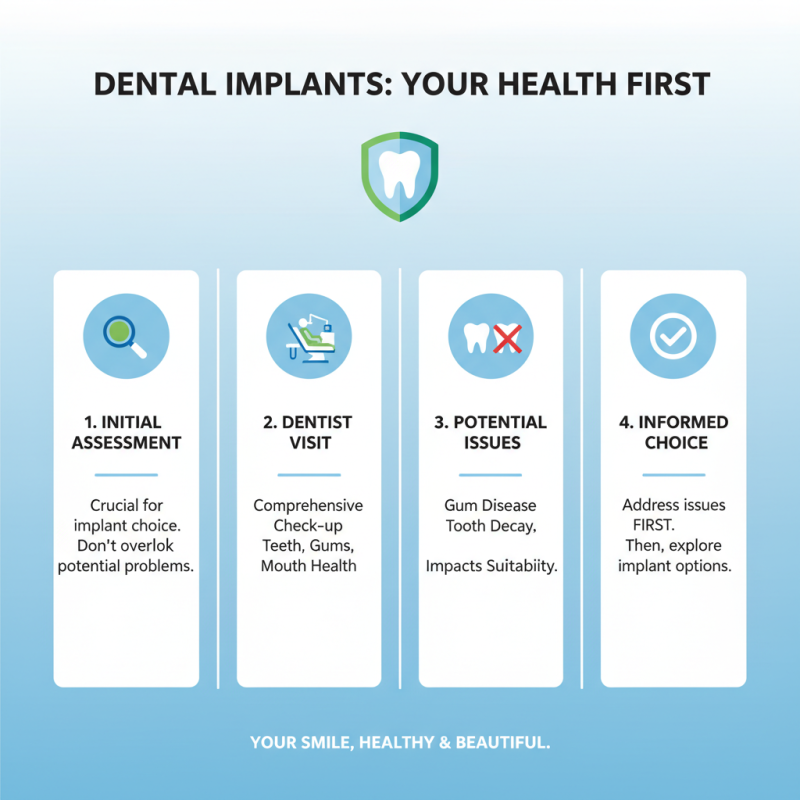
Assessing your dental health is crucial for choosing the best cosmetic dental implants. Before diving into options, a thorough evaluation is necessary. You should visit a dentist for a comprehensive check-up. They will examine your teeth, gums, and overall mouth health. Issues like gum disease or tooth decay can affect implant suitability. These potential problems should not be overlooked.
Next, consider bone density. Implants require a solid foundation. If bone loss has occurred, alternative procedures may be needed. In some cases, bone grafting can help restore volume. This process is not always straightforward and can require extra time. Be prepared for the possibility of needing additional treatment.
Think about your lifestyle too. Are you ready for the commitment? Implants require maintenance, much like natural teeth. Regular visits to the dentist are essential. If you are not ready for that, reflect on your options. Cosmetic dental implants can enhance your smile, but your health must come first.
Consulting with Dental Professionals and Specialists
Consulting with dental professionals is crucial when considering cosmetic dental implants. A qualified dentist can evaluate your specific needs. They provide recommendations based on your oral health and aesthetic goals. Bring any questions you have to the consultation. This helps clarify doubts about the procedure and recovery.
During the visit, ask about different implant options. Some implants may fit better with your natural teeth and jaw structure. Be aware that not all dentists have the same experience with implants. Research their background and ask about past cases. Analyze their results carefully.
Consider seeking a specialist if your case is complex. An oral surgeon may offer a different perspective. They might suggest advanced techniques or materials. However, remember that implants require commitment. Healing takes time, and results may not be immediate. Reflect on your lifestyle and budget. Be prepared for the possibility of adjustments or additional treatments later.
Comparison of Different Types of Dental Implants