What is a Dental Implant and How Does It Work?
Dental implants have revolutionized the field of restorative dentistry. They offer a long-term solution for missing teeth, improving both function and aesthetics. Dr. Emily Carter, a leading dental implant specialist, emphasizes, “A dental implant is an investment in your health and confidence.” This statement highlights the importance of understanding dental implants beyond their physical presence.
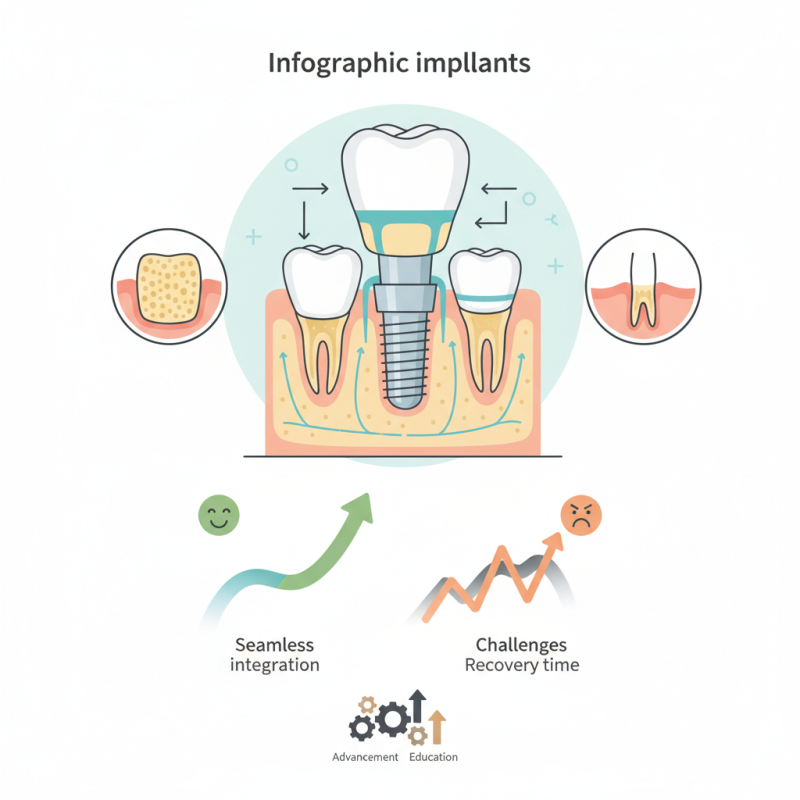
A dental implant consists of a titanium post inserted into the jawbone, mimicking the root of a natural tooth. Over time, the implant integrates with the bone, providing stability. However, this process isn’t without challenges. Patients must ensure they have healthy gums and sufficient bone density. Moreover, recovery can take time, leading to frustration for some. Yet, the benefits are undeniable.
Exploring the intricacies of dental implants reveals varying experiences among patients. Some may face complications, while others enjoy seamless integration. Understanding these variations is crucial. As the field advances, continuous education on dental implants will empower both professionals and patients alike. Navigating this dental solution requires patience and insight.
What is a Dental Implant?
Dental implants are innovative solutions for replacing missing teeth. They consist of a titanium post surgically inserted into the jawbone. This post acts like a tooth root. Over time, it fuses with the bone through a process called osseointegration. This integration is crucial for stability.
The visible part of a dental implant is called the crown. It is custom-made to match the surrounding teeth. Some patients worry about the procedure, but it is generally safe. Pain is typically manageable post-surgery. However, complications can arise, like infection or implant failure. It's essential to follow aftercare instructions closely.
Not everyone is a candidate for dental implants. Factors like bone density and overall health play a role. Some may require bone grafts before surgery. In these cases, success can seem uncertain. It's important to discuss all options with a qualified dental professional.
Components of a Dental Implant System
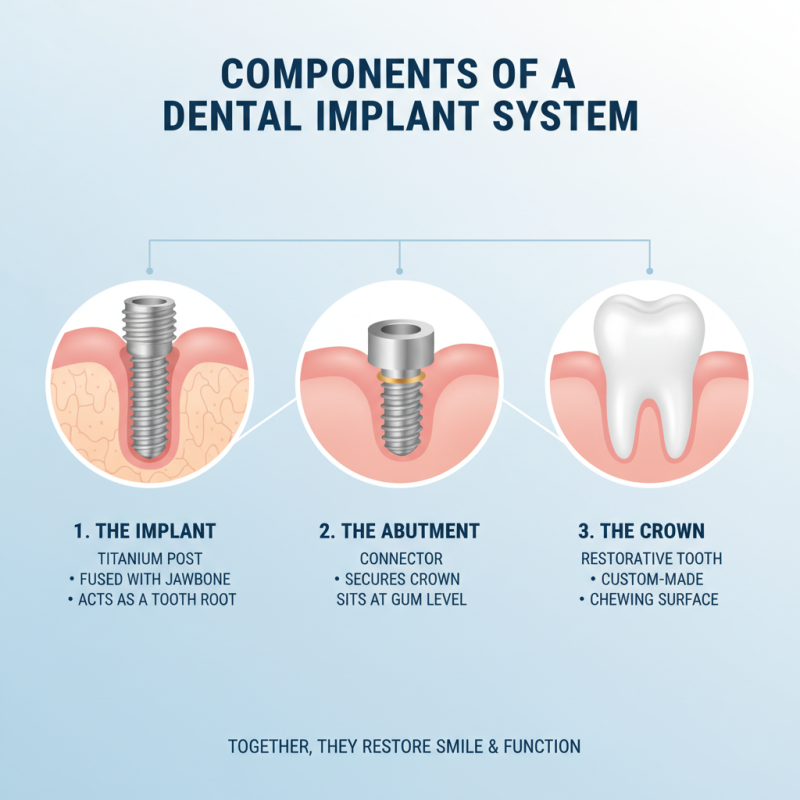
Dental implants are intricate systems designed to replace missing teeth. A typical dental implant consists of three main components: the implant, the abutment, and the crown. Each part plays a crucial role in the overall function and aesthetic of the implant.
The implant itself is a small titanium post. This post is surgically embedded into the jawbone. It acts as a root, providing a stable foundation for the replacement tooth. Over time, the bone fuses with the implant in a process known as osseointegration. This connection is vital for the longevity and strength of the implant.
Next is the abutment, a connector that is attached to the top of the implant. It serves as a bridge between the implant and the crown. Abutments can be made from various materials, offering versatility in function and appearance. Finally, the crown is the visible part of the dental implant. It is created to match the shape and color of natural teeth. This customization ensures that the implant blends seamlessly with surrounding teeth. While the technology behind dental implants is impressive, challenges can arise, such as improper placement or issues with osseointegration. These factors may impact the success of the implant system.
The Dental Implant Procedure Step by Step
Dental implants have become a popular solution for those with missing teeth. Understanding the steps involved in the dental implant procedure can help ease concerns.
The process begins with a thorough evaluation. A dental professional examines the patient's oral health and bone density. This is crucial for the success of the implant. After this assessment, a treatment plan is devised. Sometimes, bone grafting is necessary, especially if the jawbone is insufficient. This can add time to the overall procedure.
Next, the implant is surgically placed into the jawbone. This is a minor surgical procedure, typically done under local anesthesia. After placement, the healing phase starts. This can take several months, as the bone needs to integrate with the implant. Regular follow-ups are crucial during this period.
Tips: Consider maintaining oral hygiene to promote healing. Proper care can significantly impact long-term success. Discuss all options with your dentist; understanding your choices is essential.
After healing, an abutment is attached. This will hold the crown, completing the restoration process. A well-placed implant can last many years, but not everyone is a candidate. Evaluation of individual health conditions is necessary. Remember, not all procedures will go as planned, and some patients may experience complications. Hence, being well-informed is key to a successful outcome.
Benefits of Dental Implants Compared to Other Options
Dental implants offer distinct advantages over traditional tooth replacement options. A notable study published in the "Journal of Oral Implantology" highlights that dental implants have a success rate of approximately 95%. This is significantly higher than bridges or dentures, which can have success rates between 50% to 70% over similar time frames. The durability of dental implants allows for a longer lifespan, often lasting decades with proper care.
Additionally, dental implants promote better oral health. Unlike bridges, which require the alteration of adjacent teeth, implants preserve natural tooth structure. This can potentially prevent further dental complications. Furthermore, they help maintain jaw bone density. According to the American Academy of Implant Dentistry, patients with implants experience less bone loss compared to those who opt for dentures. Unfortunately, not everyone is a candidate for implants, and complications can arise. Factors such as insufficient bone density or underlying health issues may need addressing. Consulting with a dental professional is crucial in these situations.
Benefits of Dental Implants Compared to Other Options
Aftercare and Maintenance for Dental Implants
Caring for dental implants is essential for ensuring their longevity and functionality. After the procedure, it's crucial to follow your dentist's guidelines. Maintaining good oral hygiene is foundational. Brush your teeth twice daily and use non-abrasive toothpaste to avoid damaging the implant surface.
Regular dental check-ups are key. Your dentist can monitor the implant's health and spot any issues early. Flossing around the implant is important too. Invest in a flossing tool designed for implants to keep the area clean. This can help prevent gum disease.
Diet also plays a role in aftercare. Soft foods are ideal initially, as they put less stress on the implant. However, as you heal, gradually return to a normal diet. Avoid sticky or hard foods that could dislodge the implant. Remember, everyone’s healing process is different. Be patient and attentive to your body’s signals.
What is a Dental Implant and How Does It Work? - Aftercare and Maintenance for Dental Implants
| Dimension |
Details |
| Definition |
A dental implant is a surgical component that interfaces with the bone of the jaw to support a dental prosthesis such as a crown, bridge, or denture. |
| Components |
The main components include the implant fixture, abutment, and crown. |
| Procedure |
The procedure involves multiple steps including implant placement, healing period, and crown placement. |
| Aftercare |
Post-operative care includes managing pain, avoiding certain foods, and following oral hygiene practices. |
| Maintenance |
Regular dental check-ups, effective brushing, and flossing are essential for maintaining dental implants. |
| Success Rate |
Dental implants have a success rate of about 95% over 10 years. |
| Longevity |
With proper care, dental implants can last a lifetime. |