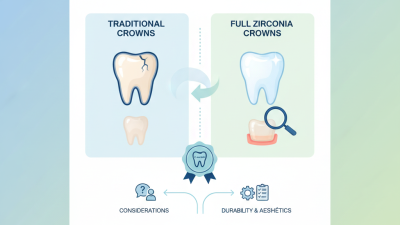
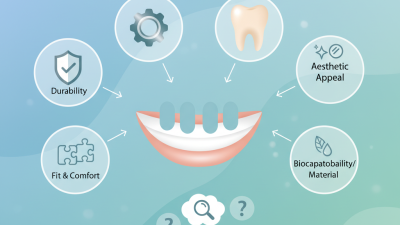
What is Full Zirconia and Its Benefits in Dentistry?
The advancements in dental materials have transformed patient care. One such innovation is Full Zirconia, a strong and biocompatible material. Dr. Emily Carter, a leading dental materials scientist, states, "Full Zirconia represents a significant step toward aesthetic and functional excellence in dentistry."
Reports indicate that Full Zirconia can provide superior strength compared to traditional ceramics. Interestingly, studies show that around 80% of patients prefer the natural look of Full Zirconia crowns over metal-based options. However, while it boasts many benefits, the technology requires continuous exploration.
Dental practices often face challenges in individual case management with Full Zirconia. The material's behavior under various conditions can be complex. As the industry evolves, understanding these nuances is crucial for practitioners. Ultimately, embracing Full Zirconia is not just about its benefits; it calls for adaptability and learning within the dental community.
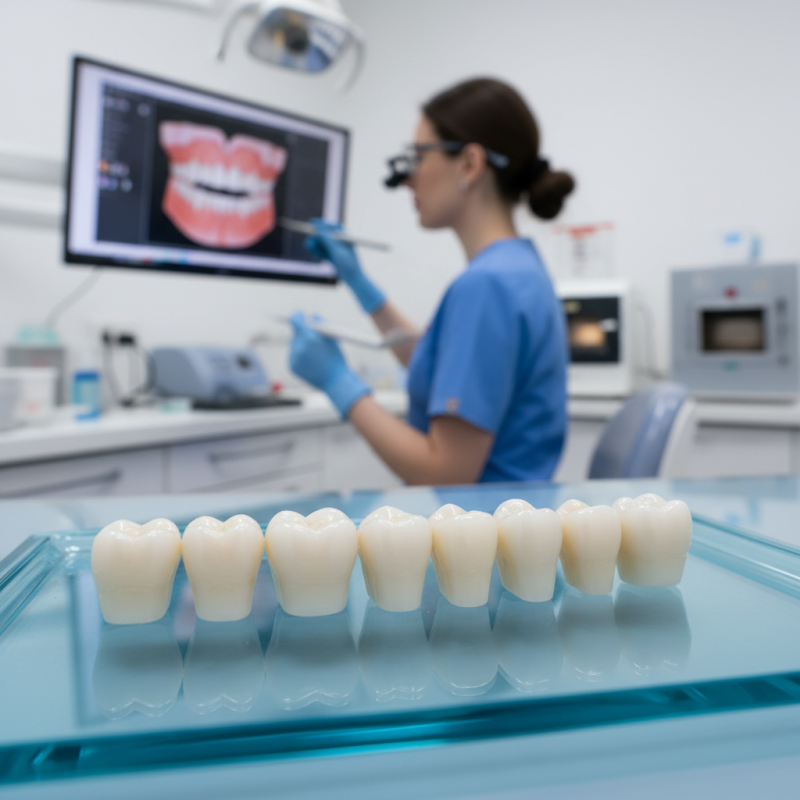
Definition of Full Zirconia in Dentistry
Full zirconia is a popular material in modern dentistry. It is made from high-quality zirconium dioxide, known for its strength and durability. This material is often used in crowns, bridges, and other dental restorations. Full zirconia provides a natural look that closely resembles real teeth. Patients often prefer it for its aesthetic appeal.
The major benefit of full zirconia is its resilience. It can withstand significant biting forces without chipping or cracking. This durability makes it a reliable choice for long-term dental solutions. Additionally, full zirconia is biocompatible. This means that patients typically experience fewer allergic reactions or adverse effects. However, the initial cost can be higher compared to other materials.
While full zirconia offers many advantages, it is not without its drawbacks. The fabrication process can sometimes lead to a less-than-perfect fit. This can result in adjustments during installation. Dentists must pay close attention to detail when working with this material. Regular follow-ups are essential to ensure the restoration functions well over time. Even with its impressive qualities, patient satisfaction may vary.
What is Full Zirconia and Its Benefits in Dentistry?
| Feature |
Description |
Benefits |
| Material Composition |
Full zirconia is made entirely from zirconium dioxide (ZrO2). |
Highly aesthetic with a natural tooth-like appearance. |
| Durability |
Known for its exceptional strength and fracture resistance. |
Long-lasting restorations and less prone to chipping. |
| Biocompatibility |
Does not cause adverse reactions in the body. |
Safe for all patients, including those with metal sensitivities. |
| Precision Fit |
Custom fabricated using CAD/CAM technology. |
Reduced need for adjustments and better patient comfort. |
| Aesthetic Options |
Available in various shades to match natural teeth. |
Enhanced smile appearance and patient satisfaction. |
Properties and Composition of Full Zirconia
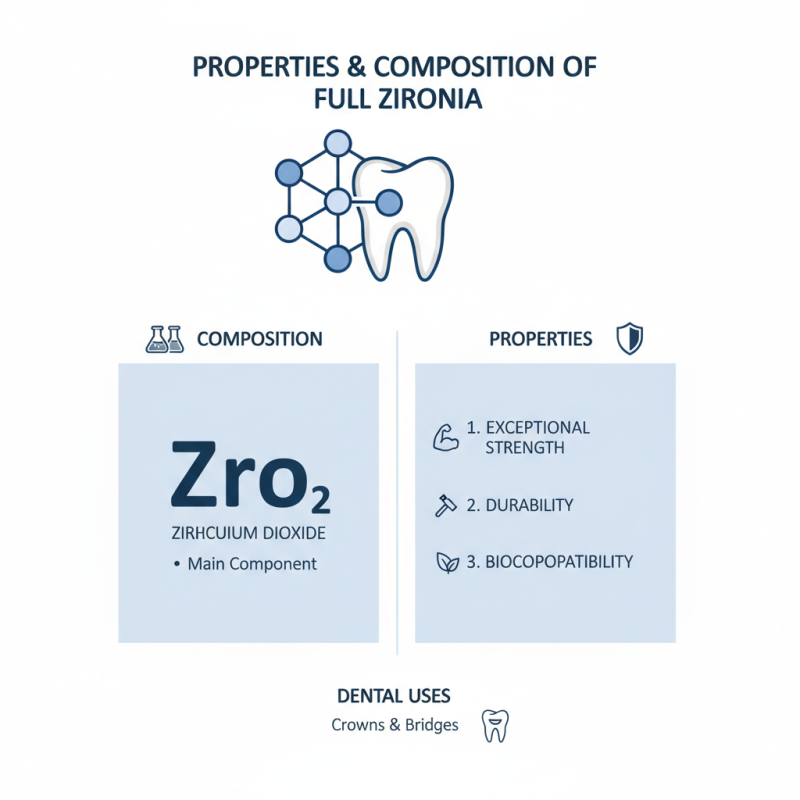
Full zirconia is a strong and durable material used in dentistry for various restorations. Its unique properties make it an attractive choice. The main component, zirconium dioxide, is known for its excellent strength and biocompatibility. This makes full zirconia crowns and bridges both functional and aesthetically pleasing.
The composition of full zirconia involves a crystalline structure, providing high resistance to fracture. This is particularly beneficial for patients who require long-lasting dental solutions. Unlike other materials, full zirconia does not easily chip or wear down over time. Additionally, it can be customized to match the natural color of teeth, offering a seamless appearance.
Tip: When choosing dental restorations, discuss your options with your dentist. Ask about the strength and look of full zirconia compared to other choices.
Another advantage is its resistance to staining. Full zirconia does not absorb pigments from food or beverages, maintaining its color over time. However, some practitioners note that while it offers a natural look, it may not provide the same translucence as traditional ceramics.
Tip: Maintain good oral hygiene to prolong the life of your dental restorations, regardless of the material used. Regular check-ups are also crucial for monitoring the condition of your dental work.
Advantages of Using Full Zirconia for Dental Restorations
Full zirconia has gained popularity in dentistry due to its impressive benefits. This material is known for its strength and durability. Unlike traditional materials, full zirconia can withstand significant biting forces. It is also biocompatible, making it suitable for those with sensitivities. Patients often appreciate the natural appearance of full zirconia crowns, which can resemble natural teeth closely.
One advantage of using full zirconia is its low wear rate. It protects adjacent teeth and maintains proper alignment. Over time, this can lead to better oral health. Another benefit is reduced sensitivity after placement. Patients often report less discomfort compared to other materials. However, not every case suits zirconia restorations. Some complicated cases may require alternative solutions.
Tips for choosing full zirconia:
- Consult with your dentist about specific needs.
- Consider how much stress your dental restoration will face.
- Think about the color and aesthetics; zirconia can be customized to match your natural teeth.
- Not all dental offices offer full zirconia options, so research is vital.
- Reflect on your personal dental history and any previous experiences when deciding.
Comparison of Full Zirconia with Other Dental Materials
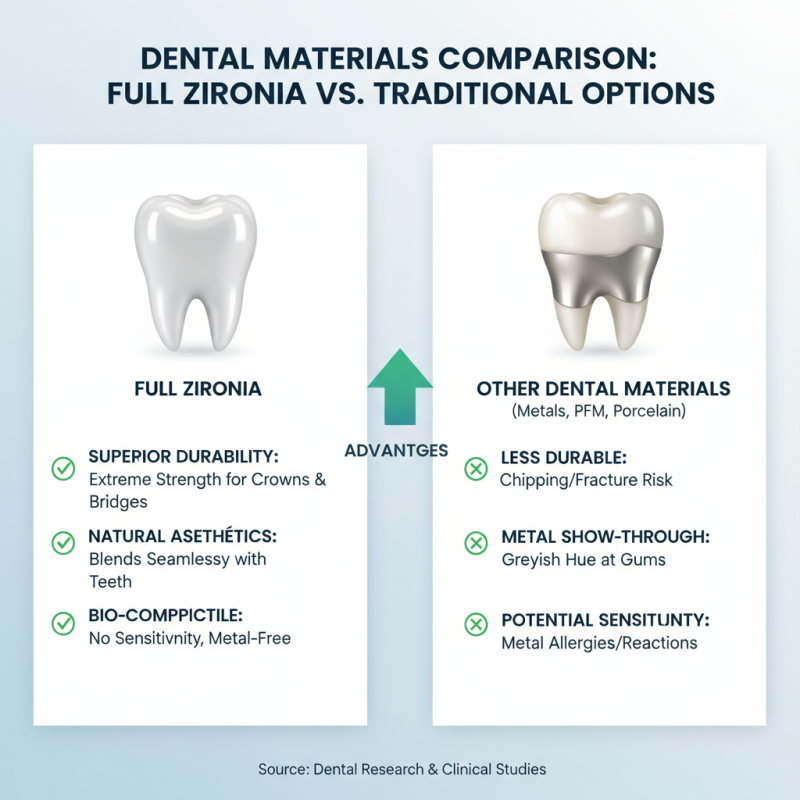
Full zirconia has gained popularity in dentistry for its durability and aesthetic appeal. When compared to traditional materials, it offers unique advantages. Unlike metals, full zirconia doesn’t cause sensitivity and blends well with natural teeth. Its ability to withstand external forces makes it an ideal choice for crowns and bridges.
However, it's essential to acknowledge some limitations. Full zirconia can be more opaque than natural tooth enamel, which may not be ideal for some patients. The material requires precise milling and shaping; otherwise, it might not fit perfectly. Additionally, while it’s strong, impact from excessive force can cause cracks.
In contrast, materials like porcelain or composite resins may provide better translucency, giving a more natural look. They may, however, wear down faster over time. The decision between full zirconia and other options often comes down to individual needs. Not every case is suitable for zirconia, requiring careful consideration by the dentist. The balance between aesthetics and durability remains a critical conversation in modern dentistry.
Applications of Full Zirconia in Modern Dentistry
Full zirconia is gaining popularity in modern dentistry. Its applications are diverse and vital. This material is robust and offers excellent aesthetics. Dentists use full zirconia for crowns, bridges, and implants. The high strength of zirconia makes it a reliable choice for both anterior and posterior restorations.
For patients, a full zirconia crown can provide a natural look. It mimics the translucency of natural teeth, which enhances smile aesthetics. This material is also resistant to wear, reducing the risk of damage over time. However, some may experience issues with the fitting process, leading to discomfort. Proper assessment is crucial before proceeding.
**Tip:** Always discuss your concerns with the dentist. Communication is key to a successful outcome.
Full zirconia is not just about aesthetics; it is highly biocompatible. This means that it interacts well with gum tissue, reducing irritation. Yet, some patients may find it slightly heavier compared to other options. Adjustments may be necessary.
**Tip:** Consider a consultation to explore the best choices for your individual needs. Weigh the pros and cons.
Benefits of Full Zirconia in Dentistry
Full zirconia has gained popularity in modern dentistry due to its excellent properties. The bar chart above illustrates the key benefits of full zirconia, rated from 1 to 10. Strength and biocompatibility stand out as significant advantages, making it a preferred choice for dental restorations.