What is a Zirconia Bridge and Why Choose It for Dental Care?
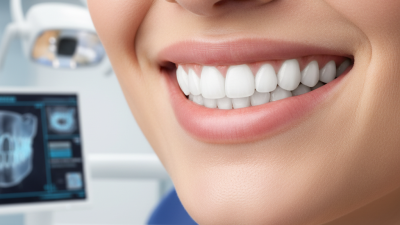
Zirconia bridges have become a prominent choice in modern dental care. Their durability and aesthetic appeal make them popular among patients and dentists alike. According to a report by the American Academy of Cosmetic Dentistry, nearly 62% of patients prefer materials that closely resemble natural teeth. This trend highlights the significance of high-quality dental restorations.
Dr. Emily Chen, a leading expert in restorative dentistry, emphasizes the benefits of zirconia bridges. She states, "Zirconia provides unmatched strength while maintaining a natural appearance." This unique combination meets both functional and aesthetic needs in dental procedures. The strength of zirconia is crucial, as it can withstand significant biting forces.
Despite their advantages, it's important to consider personal preferences and specific dental situations. Some patients may find the initial cost of zirconia bridges higher than traditional options. Therefore, weighing aesthetics, longevity, and budget is essential. As dental technology advances, zirconia bridges will likely continue to play a significant role in restorative dentistry.
What is a Zirconia Bridge: Definition and Composition
A zirconia bridge is a dental restoration designed to replace missing teeth. Composed primarily of zirconium dioxide, it offers both durability and an aesthetic appeal. This material is biocompatible, being gentle on gums and surrounding tissues. According to a study published in the Journal of Dental Research, zirconia bridges exhibit high flexural strength, making them resistant to fractures under pressure.
The composition of zirconia is crucial for its performance. It combines strength with a natural tooth-like appearance. Zirconia can withstand 1200 MPa of pressure, as noted by the International Journal of Oral and Maxillofacial Surgery. This makes it ideal for functional areas of the mouth. However, not all zirconia is created equal. Some formulations can lack translucency, affecting aesthetics.
Many patients express concerns about the longevity of dental restorations. While studies suggest a survival rate above 95% for zirconia bridges over ten years, real-world conditions vary. Factors like oral hygiene and habits play a significant role in the lifespan of these bridges. Regular check-ups are essential for maintaining their integrity.
Advantages of Zirconia Bridges in Dental Restoration
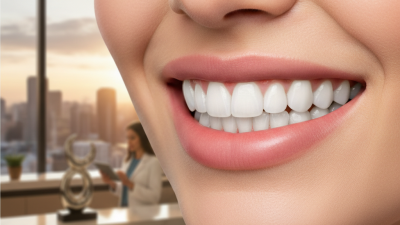
Zirconia bridges are gaining traction in dental restoration due to their aesthetic and functional benefits. A recent study highlighted that around 90% of patients prefer the natural appearance offered by zirconia over traditional materials. This high preference can be attributed to zirconia’s tooth-like translucency. It mimics the light reflection of natural teeth, making it a popular choice for visible areas.
In addition to aesthetics, zirconia bridges are highly durable. Reports suggest that they can withstand biting forces up to 1,200 Newtons. This strength makes them ideal for long-term restorations. Their resistance to wear and corrosion ensures that they maintain their integrity over time. However, some dental professionals note that improper fit during installation can lead to complications.
Another notable advantage of zirconia is its biocompatibility. Unlike other materials, zirconia poses minimal risk of allergic reactions. This quality makes it a reliable option for sensitive patients. Yet, some patients may experience initial discomfort due to the hardness of the material. This aspect prompts a need for careful patient education and post-operative follow-ups.
Advantages of Zirconia Bridges in Dental Restoration
Comparison of Zirconia Bridges with Traditional Dental Bridges
Zirconia bridges represent a modern solution in dental care. Unlike traditional metal-based bridges, zirconia bridges offer excellent aesthetics and durability. They mimic the appearance of natural teeth more closely due to their translucent properties. This feature is crucial for many patients seeking a seamless smile.
When comparing zirconia bridges to traditional options, several factors come into play. Traditional bridges often rely on metal frameworks, which can lead to an unnatural look and potential gum discoloration. Zirconia bridges, on the other hand, do not contain metals. This can be a significant advantage for those sensitive to metals or looking for a more natural appearance.
However, zirconia bridges also have their drawbacks. They may require more preparation of the surrounding teeth, which can be uncomfortable. Additionally, while they are known for their strength, they can be more challenging to adjust if issues arise. Patients should consider these factors carefully and consult with a dental professional for the best choice.
The Procedure for Installing a Zirconia Bridge
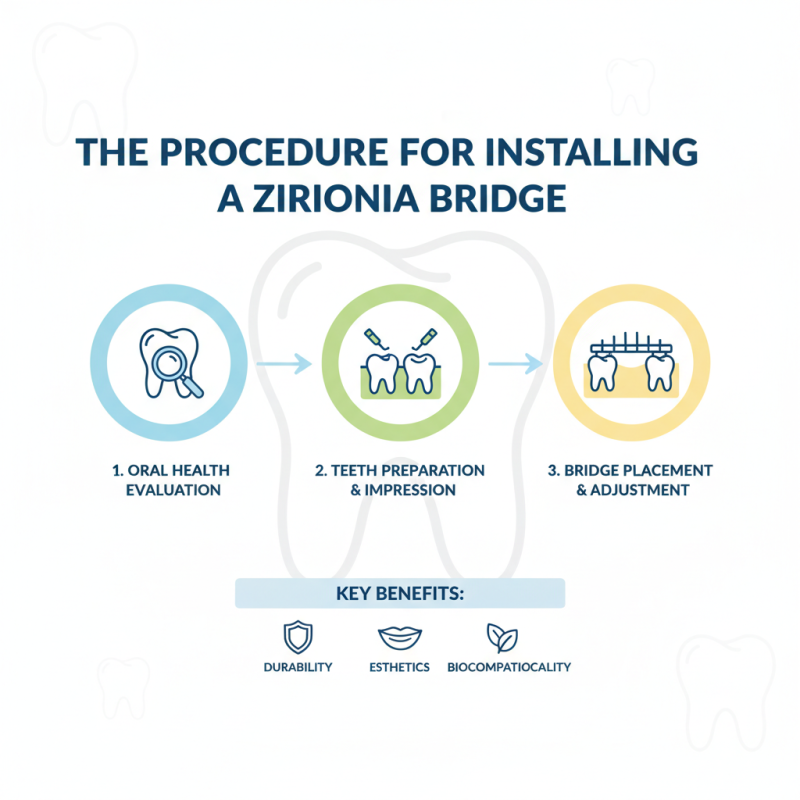
A zirconia bridge is a popular dental restoration. The process of installing one involves several crucial steps. Initially, a dentist evaluates the patient's oral health. This assessment ensures that the surrounding teeth and gums can support the bridge effectively.
Once the evaluation is complete, the next step is tooth preparation. The dentist prepares the abutment teeth by reshaping them, allowing proper fitting of the bridge. This process may require local anesthesia to minimize discomfort. After preparation, impressions of the teeth are taken. They guide the lab in creating a custom-fit zirconia bridge. Reports indicate that 95% of patients find this initial phase manageable.
The actual placement of the zirconia bridge happens after several weeks. This waiting period allows the laboratory time to craft a durable, customized bridge. When it’s ready, the dentist will ensure proper fit and color match. Adjustment may be necessary, as the bridge must provide both function and aesthetics. Some patients may experience slight discomfort during this phase. Studies show around 15% of patients need multiple adjustments before reaching optimal comfort and fit. Nevertheless, the long-term benefits of a zirconia bridge often outweigh these temporary inconveniences.
Maintenance and Care for Zirconia Dental Bridges
Zirconia dental bridges are increasingly popular for their strength and aesthetic appeal. However, proper maintenance is vital to ensuring their longevity and functionality. Research indicates that zirconia can withstand considerable chewing forces, making it a suitable option for many patients.
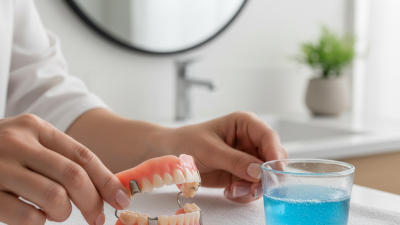
To keep your zirconia bridge in top condition, good oral hygiene is essential. Regular brushing helps prevent plaque buildup, which can lead to decay around the bridge.
Tips: Use a soft-bristled toothbrush for gentle cleaning. Floss daily to maintain gum health.
While zirconia is highly resistant to stains, it is not entirely immune. Certain foods and beverages can still cause discoloration over time. Regular dental check-ups are important. Dentists can provide professional cleaning and monitor the integrity of your bridge, ensuring you catch any issues early. Some patients find their bridges may feel unusual at first. It can take time to adjust to them. Consistent care can help normalize the experience.
Tips: If you experience discomfort, consult your dentist. They may offer adjustments or tips for better comfort.