Top 3D Dental Implants Benefits and Features for Buyers?
3D dental implants represent a revolutionary advancement in dental technology. These implants provide numerous advantages that enhance both the procedure and the outcome. Unlike traditional implants, 3D dental implants offer precise customization. This means they can be tailored specifically to the patient’s anatomy. Such precision improves the integration of the implant with the jawbone.
Beyond customization, one cannot overlook the speed of the procedure. With the aid of 3D printing technology, dentists can create the implants faster than before. This significantly reduces the time patients spend in the dental chair. Enhanced healing time is another noteworthy benefit. Patients often experience quicker recovery, allowing them to return to normal life sooner.
While 3D dental implants seem ideal, challenges do exist. The technology requires skilled professionals who understand the complexities of 3D modeling. Not every dental clinic is equipped to offer this advanced service. Patients should carefully consider these factors when looking for dental implants. Balancing the benefits with potential limitations is crucial for informed decision-making.
Understanding 3D Dental Implants: An Overview
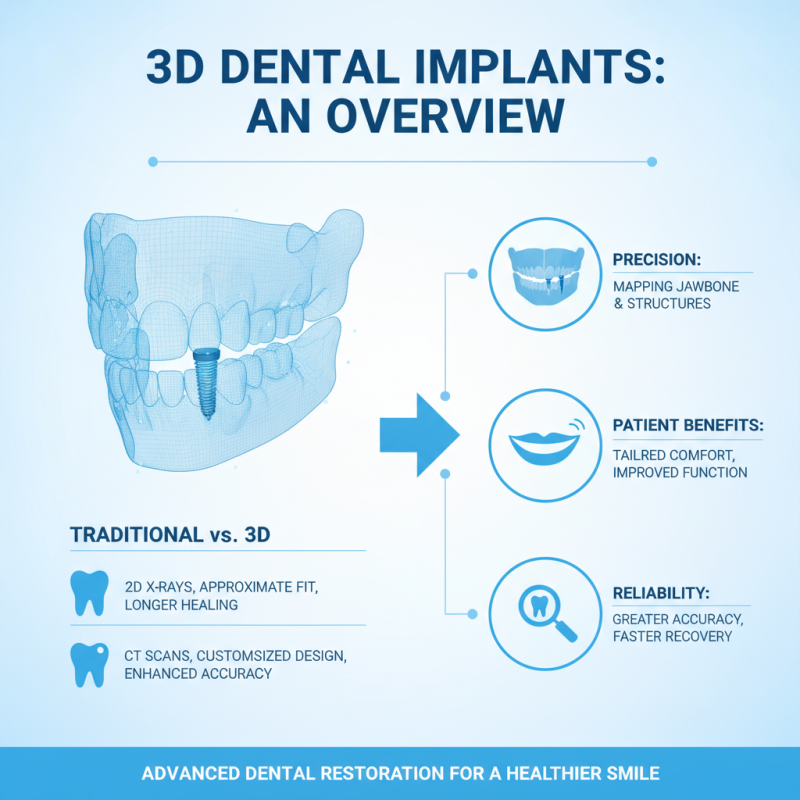
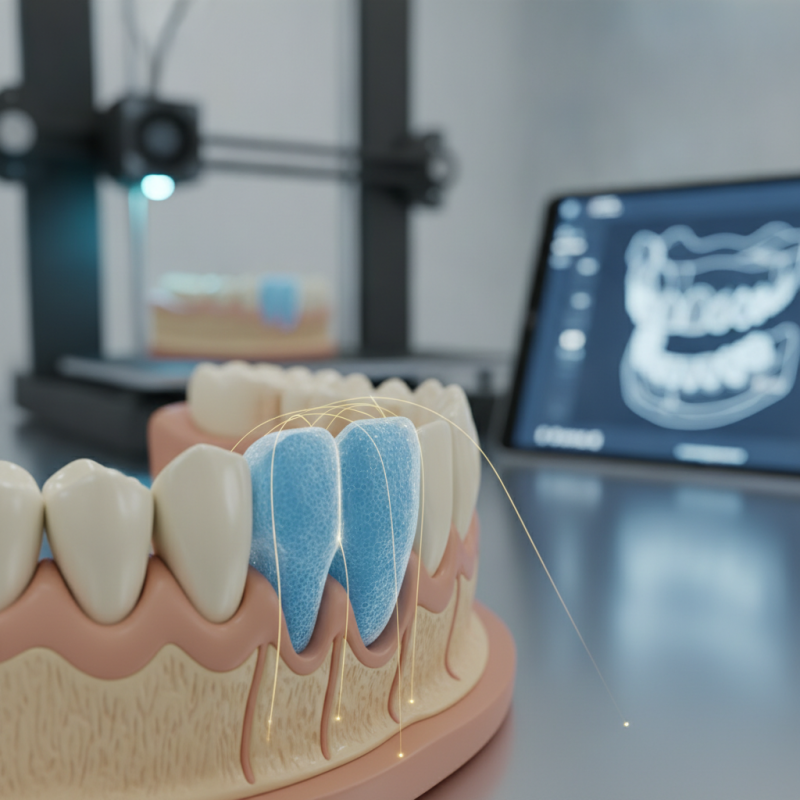
3D dental implants represent a significant advancement in dental restoration. These implants are designed using three-dimensional imaging technology. This allows for precise mapping of the jawbone and surrounding structures. The result is a more tailored fit, enhancing both comfort and function for the patient. Accuracy is crucial in dental procedures, and 3D technology offers this with great reliability.
One notable benefit of 3D dental implants is reduced surgery time. Traditional implants often require multiple visits and extensive preparations. With 3D imaging, the planning phase is streamlined. This efficiency can lead to quicker recovery times as well. However, it is important to recognize that not every patient may qualify for 3D dental implants. Certain medical conditions or anatomical anomalies could complicate the process.
Patients should engage in thorough discussions with their dentists about the best options for their needs. While the benefits can be significant, understanding the complexities involved is equally important. Each case is unique, and what works for one person may not work for another. This highlights the importance of personalized care and experienced professionals in determining the best approach.
Key Benefits of 3D Dental Implants for Patients
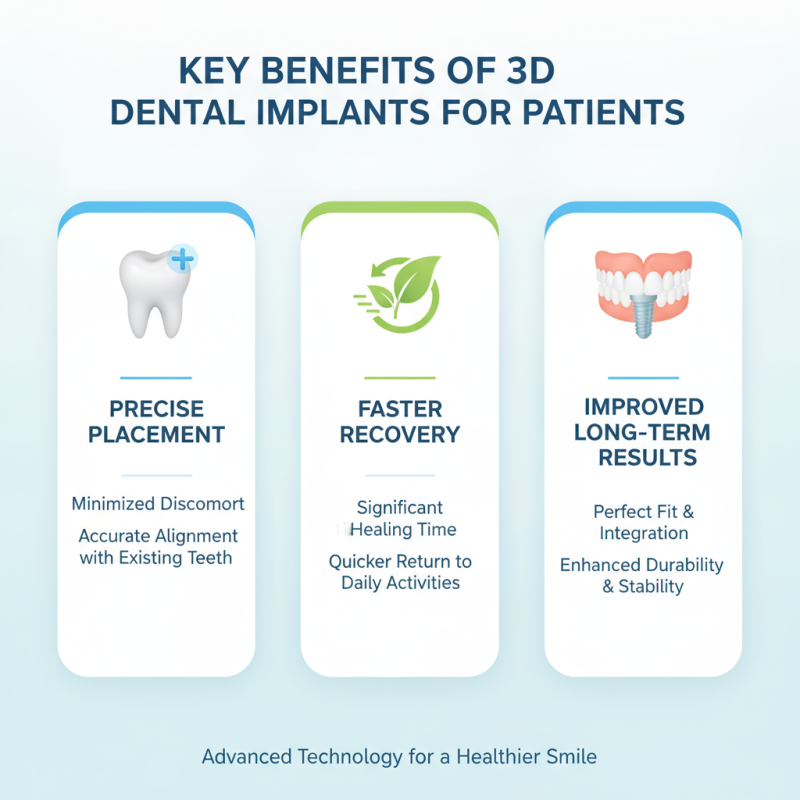
3D dental implants bring numerous benefits to patients, enhancing the overall experience of receiving dental care. These advanced implants allow for precise placement, minimizing discomfort during the procedure. Patients often notice a significant reduction in recovery time compared to traditional methods. The use of 3D imaging technology ensures that the implants fit perfectly, aligning with existing teeth and bone structure. This integration can lead to better long-term results.
Another key advantage is the customization offered by 3D dental implants. Each patient's anatomy is unique. The ability to create tailored solutions makes a real difference in achieving successful outcomes. This technology allows dentists to visualize the entire process, ensuring a more planned approach. Patients find that detailed planning reduces anxiety, knowing their treatment is well thought out.
While the benefits are clear, it's also important to recognize potential challenges. Not every patient may be a suitable candidate for 3D implants. Factors such as bone density and health history must be considered. This requires thorough evaluation and open discussion between the patient and dentist. The complexity of the technology may also lead to varying levels of expertise among practitioners. Continuous education and training in this field are essential for ensuring safety and effectiveness.
Essential Features of High-Quality 3D Dental Implants
When considering 3D dental implants, understanding essential features is key for informed buyers. These implants offer precision that traditional methods lack. They are designed using advanced imaging technology. This allows for a tailored fit that suits individual anatomy. Such accuracy can significantly reduce recovery time and improve overall comfort.
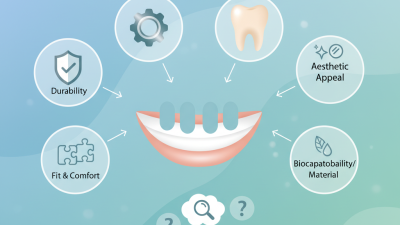
Another important feature is the material quality. High-quality implants typically use titanium or zirconia. These materials are biocompatible, ensuring they integrate well with jawbone. However, not all implants are equal. Some may have manufacturing inconsistencies, leading to complications. Buyers should look for certifications or endorsements to ensure reliability.
Lastly, ease of placement is a practical benefit. Many 3D implants are designed for minimally invasive procedures. This can lead to less pain and swelling post-surgery. However, misunderstandings can occur among patients. Not everyone may experience the same level of ease or recovery. Awareness of one’s own health conditions is crucial in this context.
How 3D Technology Enhances Implant Accuracy and Success
3D technology is revolutionizing the dental implant landscape. It brings a new level of precision and customization. A study by the Journal of Oral Implantology indicates that 3D imaging improves implant placement accuracy by over 40%. This enhanced accuracy directly translates to higher success rates and better patient outcomes.
Using 3D printing, dental professionals can create tailored surgical guides. These guides ensure that implants are placed in the optimal position. According to the American Academy of Implant Dentistry, personalized planning leads to fewer complications and quicker recovery times for patients. While this technology shows promise, it is crucial to ensure that practices continuously evaluate and refine techniques. The landscape is evolving, but there remains a need for ongoing education and training.
Patient satisfaction is enhanced with 3D dental implants. A report from the International Journal of Oral and Maxillofacial Surgery highlights that patients report a 95% satisfaction rate with their new implants. However, not all clinics have access to the latest technology. This discrepancy can leave certain patients at a disadvantage, prompting calls for more widespread adoption in facilities. Continuous improvement and investment in technology are necessary to ensure uniform access and outcomes.
Considerations for Buyers when Choosing 3D Dental Implants
When selecting 3D dental implants, buyers should consider several key aspects. One important factor is the technology used in the implant design. Advanced 3D imaging allows for precise fitting and placement. This can dramatically reduce recovery time and improve long-term results. Understanding the level of customization available is also crucial. Not all implants suit every patient’s needs.
Another consideration is the expertise of the dental professional performing the procedure. A skilled dentist can evaluate individual cases effectively. Look for credentials and experience in advanced dental technologies. Trust is essential; ensure the provider has a solid track record.
Buyers should also reflect on their long-term oral health plans. Will the implants align with future dental work? This foresight can save time and resources. It's essential to discuss maintenance and care options as well. Some patients may find the necessary upkeep overwhelming. Balancing all these factors leads to informed choices and helps ensure satisfaction with the implants.
Top 3D Dental Implants Benefits and Features for Buyers
| Feature |
Description |
Benefits |
| Precision Planning |
Utilizes digital imaging for accurate implant placement. |
Reduces the risk of complications and improves aesthetic results. |
| Customization |
Implants can be tailored to fit the unique anatomy of each patient. |
Enhances comfort and integration with natural bone. |
| Faster Recovery |
Minimally invasive techniques lead to less trauma. |
Decreases healing time and discomfort for the patient. |
| 3D Visualization |
Advanced imaging techniques provide a 3D view of the mouth. |
Improves communication between dentist and patient, ensuring clarity. |
| Durability |
Made with high-quality materials designed to last. |
Provides long-term value and reduces the need for replacements. |