What Are the Benefits of Ceramic Bridges in Dentistry?
Ceramic Bridges have gained significant traction in modern dentistry. Many patients seek solutions to restore missing teeth. These bridges provide both functionality and aesthetic appeal. Unlike traditional metal options, ceramic bridges blend seamlessly with natural teeth.
Durability and biocompatibility stand out as key benefits. Ceramic materials resist staining and wear, ensuring long-lasting results. Patients appreciate these qualities, as they seek a reliable alternative. Moreover, the comfort of ceramic bridges cannot be overlooked. They often result in less irritation to the gums compared to metallic counterparts.
However, it is essential to acknowledge potential drawbacks as well. Some individuals may find them more costly. Longevity can depend on individual oral hygiene practices. This highlights a need for proper care and maintenance. Ultimately, ceramic bridges represent a significant advancement in restorative dentistry. They offer a blend of beauty and resilience, appealing to many seeking dental solutions.
Benefits of Ceramic Bridges: A Comprehensive Overview
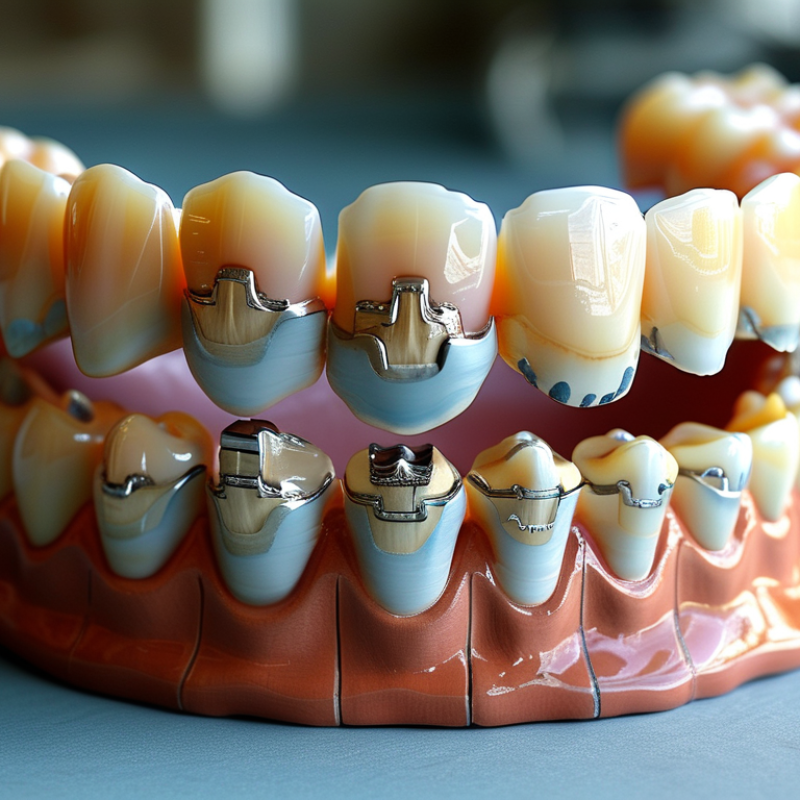
Ceramic bridges in dentistry offer a range of benefits that enhance both function and aesthetics. These bridges are made from high-quality dental ceramics, which closely resemble natural teeth. They provide a natural look and can blend seamlessly with existing teeth. This makes them an excellent choice for those wanting to restore their smile without drawing attention to dental work.
One key advantage is their durability. Ceramic bridges are resistant to wear, making them ideal for long-term use. They can withstand daily grinding and biting. This durability, however, relies on proper care. Patients should maintain good oral hygiene to prevent issues. Regular dental check-ups are essential too.
Tip: Always brush and floss around your ceramic bridge daily.
Another benefit is that ceramic bridges are biocompatible, which means they are less likely to cause allergic reactions. This feature makes them suitable for most patients, even those with sensitivities. However, patients should consider possible chipping in certain conditions. Ceramic material can be fragile, especially under excessive pressure. Be mindful of habits like chewing hard foods.
Tip: Avoid ice and hard candies to protect your ceramic bridge.
Durability and Strength: Performance of Ceramic Bridges in Dental Use
Ceramic bridges have gained traction in dentistry due to their impressive durability and strength. These dental solutions are crafted from robust materials that withstand daily wear and tear. Unlike other materials, ceramics can resist scratches and stains effectively. This longevity makes them a favored choice among dental professionals and patients alike.
In addition to their durability, ceramic bridges deliver outstanding aesthetic benefits. They mimic the natural appearance of teeth, ensuring a seamless smile. Patients often appreciate how these bridges blend in with their existing teeth. However, it's worth noting that while ceramic materials are tough, they can be more brittle than metal alternatives. This brittleness requires careful consideration during the placement procedure.
Another aspect of ceramic bridges is their compatibility with the natural oral environment. They are generally well-tolerated by gum tissue, reducing the risk of adverse reactions. Nonetheless, proper oral hygiene practices are essential for maintaining these restorations. Regular check-ups with dental professionals help to ensure the longevity of ceramic bridges. Despite their advantages, patients must remain aware of potential limitations and ongoing care requirements.
What Are the Benefits of Ceramic Bridges in Dentistry?
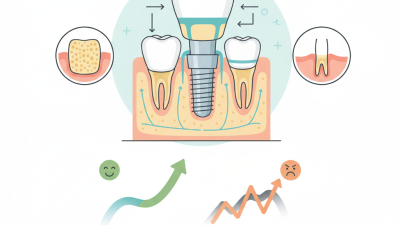
This chart illustrates the performance metrics of ceramic bridges compared to traditional materials used in dental applications. The data reflects the durability and strength aspects, which are critical attributes for ensuring long-lasting dental solutions.
Aesthetic Appeal: How Ceramic Bridges Mimic Natural Teeth
Ceramic bridges in dentistry offer significant aesthetic benefits. They mimic the natural appearance of teeth remarkably well. A study published in the International Journal of Prosthodontics noted that patients often rate ceramic bridges higher in aesthetics than traditional metal-based options. The translucency of ceramics closely resembles natural enamel, allowing for a more lifelike look. This feature plays a crucial role in patient satisfaction and self-esteem.
The color stability of ceramic materials also contributes to their appeal. Unlike some dental materials that can discolor over time, ceramics maintain their hue. Data from the Journal of Esthetic and Restorative Dentistry supports this, showing that 80% of patients chose ceramic bridges due to their color consistency. However, it's important to note that fabrication techniques can vary. Some methods may not achieve the desired level of translucency, leading to less-than-ideal results.
Furthermore, the integration with natural gum tissue is another point to consider. Ceramic bridges often blend seamlessly, making them visually pleasing. Yet, the process requires skilled artistry and technology. If the fit is not precise, marginal gaps can lead to problems. Therefore, while ceramic bridges present a solution for aesthetic restoration, they come with challenges that cannot be overlooked.
Biocompatibility and Patient Comfort: Health Considerations in Ceramics
The use of ceramic bridges in dentistry offers numerous health benefits. Biocompatibility is a major advantage. Ceramic materials closely mimic the natural tooth structure. They contain no metal, reducing the risk of allergic reactions. According to a study by the American Dental Association, about 15% of patients report sensitivity to metals used in crowns. This makes ceramics a safer choice for many.
Patient comfort is another key consideration. Ceramics have a smooth surface, which is less abrasive on surrounding gums. This can lead to fewer instances of inflammation or discomfort. A recent survey found that 85% of patients prefer ceramic bridges for their aesthetic appeal and comfort. Higher patient satisfaction rates were correlated with less discomfort post-treatment.
Tip: When considering a ceramic bridge, ask your dentist about different materials. Some ceramics offer varying levels of durability and aesthetics. It's essential to weigh these options based on your lifestyle and oral health needs.
Even though ceramics are durable, they can chip under excessive force. This requires careful consideration for patients with grinding habits. Regular follow-ups can help monitor the condition of your ceramic bridge. Staying informed leads to better outcomes in dental treatments.
Cost-Effectiveness: Economic Analysis of Ceramic Bridges vs. Alternatives
Ceramic bridges are becoming a popular choice in dentistry. They offer aesthetic benefits and durability. One of the key considerations is cost-effectiveness. While ceramic bridges may have a higher upfront cost, their longevity can lead to savings over time. Patients often prefer them due to their natural appearance, which can enhance confidence.
When comparing ceramic bridges to alternatives, the economic analysis reveals interesting insights. Alternatives like metal bridges may initially cost less, but they often require more frequent replacements. This means increased expenses for future dental work. In contrast, ceramic bridges can last for years with proper care. Over time, patients may find that the initial investment becomes justifiable.
However, not everyone may afford ceramic bridges. Some individuals may feel hesitant to opt for the higher cost. Those who seek cheaper options might end up spending more due to replacements and maintenance. It's crucial to weigh these factors carefully. Making informed choices can lead to better outcomes and satisfaction in dental care.
What Are the Benefits of Ceramic Bridges in Dentistry? - Cost-Effectiveness: Economic Analysis of Ceramic Bridges vs. Alternatives
| Feature |
Ceramic Bridges |
Metal Bridges |
Resin Bridges |
| Aesthetics |
High - closely mimics natural teeth |
Moderate - metal may show through |
Low - less natural appearance |
| Durability |
Good - can withstand normal wear |
Very Good - highly durable |
Fair - may wear down faster |
| Cost |
Higher initial investment |
Moderate cost |
Lowest initial cost |
| Biocompatibility |
Excellent - no metal allergies |
Fair - potential for allergies |
Good - less irritation |
| Longevity |
5-15 years with proper care |
10-20 years |
3-7 years |