Best Bridges Crowns for Optimal Durability and Aesthetics?
In the world of dental restoration, Bridges Crowns stand as a vital component for achieving both durability and aesthetics. Dr. Emily Carter, a renowned expert in restorative dentistry, emphasizes, "Choosing the right Bridges Crowns can transform a patient's smile and confidence." This statement reflects the intricate balance between function and appearance in dental solutions.
Bridges Crowns are not merely about strength; they are also about enhancing visual appeal. Patients seek options that not only last but also blend seamlessly with their natural teeth. The advancements in materials and technology have improved the quality available today. However, selecting the best choice can be daunting. Each patient has unique needs, and what works for one may not suit another.
It's crucial to deeply understand the various materials used in Bridges Crowns. While some options offer enhanced durability, they may fall short aesthetically. Conversely, certain materials may look fantastic but lack resilience. Navigating these choices requires experience and knowledge, making expert guidance invaluable. Ultimately, the goal is to ensure that every patient walks away with a solution that meets their functional and aesthetic desires.
Overview of Dental Bridges and Crowns
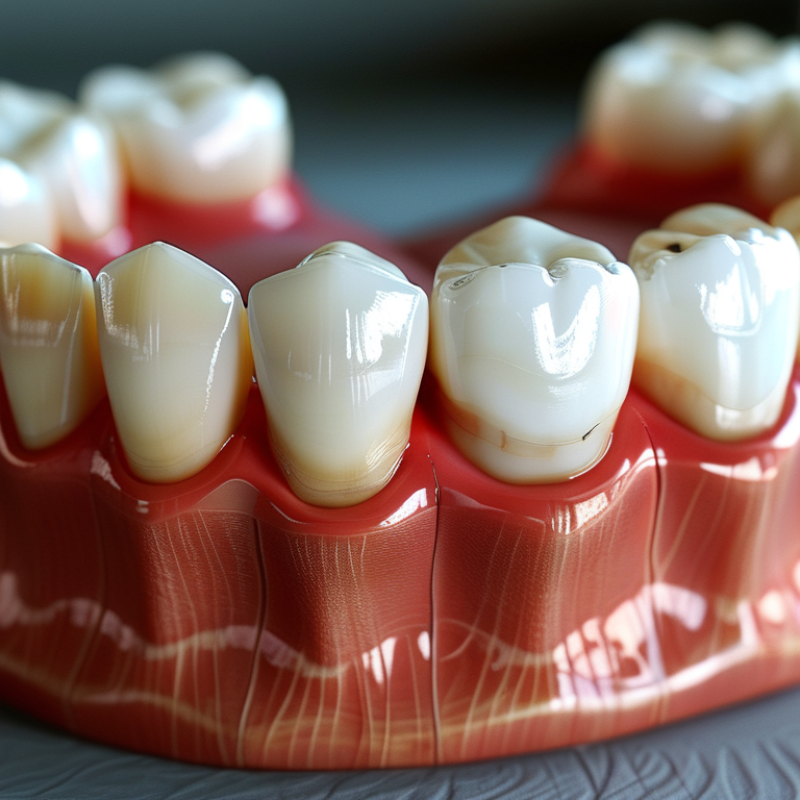
Dental bridges and crowns play a crucial role in restorative dentistry. They help restore function and aesthetics to damaged or missing teeth. According to a report by the American Dental Association, approximately 120 million people in the U.S. are missing at least one tooth. This highlights the growing need for effective restorative solutions.
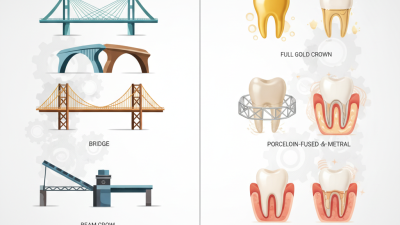
Bridges are typically used to replace one or more missing teeth by anchoring to adjacent healthy teeth. They provide structural support and can improve chewing function. Crowns, on the other hand, cover and protect damaged teeth. A study published in the Journal of Prosthetic Dentistry found that well-fitted crowns can have a survival rate exceeding 90% over ten years. However, improper placement may lead to complications like decay or loosening.
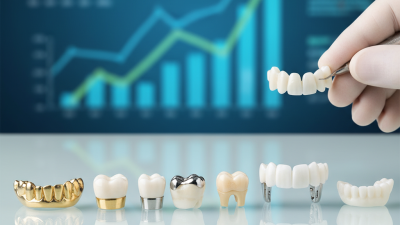
Furthermore, material selection in dental restorations affects durability and aesthetics. Options include porcelain, metal, or a combination of both. Research indicates that while porcelain offers superior aesthetics, metal can provide enhanced strength. However, the choice must consider the patient’s unique needs and dental situation. There remains a gap in standardized guidelines for material selection, leaving some practitioners with uncertainty in their decision-making process.
Types of Materials Used in Bridges and Crowns
When choosing materials for bridges and crowns, several factors come into play. Durability is critical in ensuring longevity. Common materials include metals, ceramics, and polymers. Each has its own unique benefits and challenges.
Metals, such as titanium, provide strength and resilience. They can withstand harsh environments but may corrode over time. Ceramics offer excellent aesthetics and wear resistance. However, they can be brittle, leading to cracks if not designed properly. Polymers are lightweight and versatile but may not offer the same strength as heavier materials.
Understanding the properties of each material is vital. A well-informed choice can enhance both performance and appearance. Precision in application matters too. Incorrect installation can compromise their effectiveness. Balancing durability with aesthetics requires careful consideration. It's an ongoing learning process for many professionals in the field.
Factors Influencing Durability and Aesthetics
When considering dental bridges, durability and aesthetics stand paramount. The materials used in these bridges significantly influence both factors. Research indicates that zirconia crowns exhibit superior strength, with studies showing a fracture resistance of 1,200 MPa, outperforming other materials. In contrast, porcelain-fused-to-metal bridges, while aesthetically pleasing, can suffer from chipping and discoloration over time due to the metal framework beneath.
Aesthetics is equally critical. A study published in the Journal of Dentistry notes that patients prioritize natural-looking restorations. Visual appeal can diminish if the materials do not mimic the translucency of natural teeth. Factors such as the color match and the surface texture play essential roles. Even the best materials can falter if not skillfully crafted. In some cases, patients report dissatisfaction when their new crowns don’t align perfectly with adjacent teeth.
Longevity is often compromised by factors such as oral hygiene and biting forces. Regular maintenance, including professional cleanings, can prolong durability. Yet, some patients neglect this, leading to unexpected failures. Understanding these elements is key to making informed choices. Striking a balance between durability and aesthetics remains a challenge for many.
Care and Maintenance for Longevity of Bridges and Crowns
Bridges and crowns are significant components of dental restoration. Their durability hinges on proper care and maintenance. Studies indicate that the lifespan of crowns can reach up to 15 years with proper upkeep. Regular oral hygiene plays a vital role in ensuring longevity.
Daily brushing and flossing prevent plaque buildup. Neglected dental care can lead to complications. Many patients underestimate the importance of routine check-ups. A report by the American Dental Association suggests that regular visits can catch potential issues early. Patients who see their dentist biannually often enjoy better outcomes.
Hydration also impacts oral health. Consuming water helps wash away food particles. Additionally, avoiding hard and sticky foods can prevent damage. Many people overlook how certain habits affect their dental restorations. Reflecting on these aspects can improve the health of bridges and crowns significantly.
Trends in Dental Bridge and Crown Innovations
Recent advancements in dental bridge and crown technologies have transformed patient experiences. Enhanced materials now provide greater durability. Biocompatible ceramics and high-strength alloys ensure long-lasting results. These materials mimic natural teeth, offering improved aesthetics without sacrificing functionality.
Digital scanning and 3D printing are reshaping the design process. These innovations allow for precise fitting, reducing the need for adjustments. However, not all dentists have adopted these technologies yet. Some still rely on traditional methods, which may lead to discrepancies in fit and comfort.
Additionally, patient-specific customization is gaining traction. Tailored solutions account for individual anatomy, improving overall satisfaction. Yet, this personalized approach requires more time and expertise from the dentist. Balancing speed and quality remains a challenge. As trends evolve, ongoing education for dental professionals is vital.