2026 How to Choose the Best Bridges Crowns for Your Needs?
Choosing the right Bridges Crowns can greatly impact both function and aesthetics. Many factors come into play when making this decision. You need to consider your specific dental needs and preferences.
Bridges Crowns can vary widely in terms of materials, durability, and appearance. Some options may look more natural, while others prioritize strength. This variability can make choices overwhelming at times. It's essential to reflect on what matters most to you.
Consulting with a dental professional is crucial. Their expertise can guide you through the process and provide insights based on your oral health. Remember, the best choice may not always be the most expensive. Taking the time to evaluate your options can lead to lasting satisfaction.
Understanding the Different Types of Bridge Crowns Available in 2026
Choosing the right bridge crown can greatly impact your dental health. In 2026, various types of bridge crowns are available, each with unique characteristics. For instance, ceramic crowns blend well with natural teeth. They offer an appealing appearance but may not be as strong as other materials.
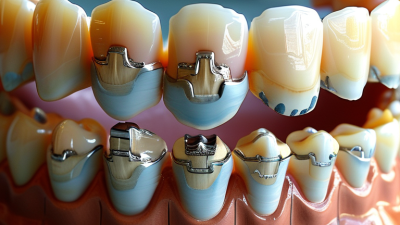
Metal crowns, on the other hand, provide excellent durability. They can withstand heavy biting forces, making them suitable for back teeth. However, their metallic appearance may not appeal to everyone. Some dentists recommend porcelain-fused-to-metal crowns as a compromise. They combine the aesthetic benefits of porcelain with the strength of metal.
It's essential to evaluate your individual needs carefully. Consider factors like your lifestyle, budget, and aesthetic preferences. Don't hesitate to consult with a dental professional. Their expertise can guide you in making an informed decision. Everyone’s situation is different, and personal reflection on your options can lead to the best outcome.
Factors to Consider When Choosing Bridge Crowns for Your Dental Needs
When selecting bridge crowns, various factors come into play. The material is a crucial consideration. Porcelain, metal, and resin-based crowns each offer unique advantages. According to the American Dental Association, porcelain crowns are favored for their natural appearance. However, they may not offer the same strength as metal options. Understanding these differences helps in making an informed choice.
Durability is another essential factor. A study published in the Journal of Dental Research noted that metal crowns tend to last longer than porcelain ones. Yet, some patients prioritize aesthetics over longevity. It is essential to balance these aspects based on personal needs.
Tips: Always consult with a qualified dentist to discuss your options. Look for crowns that have proven reliability in the industry. Consider your lifestyle, as it may influence crown longevity. If you grind your teeth, stronger materials could be necessary. Ultimately, reflect on both function and appearance before making a decision.
Comparing Material Durability: Porcelain, Metal, and Composite Options
Choosing the right dental crowns is crucial for long-term oral health. When considering materials, durability stands out. Porcelain, metal, and composite options each offer unique advantages and drawbacks.
Porcelain crowns are aesthetically pleasing. They blend well with natural teeth. However, they may chip more easily than metal options. This shortcoming means regular check-ups are vital.
Metal crowns, often made of gold or alloys, provide unmatched strength. They withstand the forces of chewing. Their durability is a significant advantage, yet some patients dislike their appearance.
Composite crowns are a middle ground. They offer decent durability while being more visually appealing than metals. However, they can stain and wear faster than porcelain and metal. It’s important to weigh these factors against your needs and lifestyle. Many find themselves reflecting on what they value most: aesthetics versus longevity.
Professional Recommendations: What Dentists Say About Best Practices
Choosing the best bridge crowns for your dental needs requires careful consideration. Dentists often emphasize the importance of material choice. Common options include porcelain, metal, and resin. Each material has unique benefits and drawbacks. Porcelain crowns provide a natural look but might be less durable. Metal crowns, on the other hand, are extremely strong but appear less aesthetic.
Tips to keep in mind: Discuss your lifestyle with your dentist. If you grind your teeth, certain materials may be wiser. Also, think about visibility. Anterior teeth may benefit from more natural-looking crowns. Don’t overlook the importance of fit. A poorly fitted crown can lead to discomfort and other dental issues.
Dentists recommend regular check-ups after getting bridge crowns. This ensures everything is functioning well. They also advise paying attention to how your bite feels. Some patients report discomfort that they initially overlook. Being proactive in addressing these issues is crucial. Trust your instincts and communicate openly with your dentist for the best results.
Cost Analysis: Budgeting for Your Ideal Bridge Crown Solution
When considering bridge crowns, understanding costs is crucial. Research indicates that dental crowns can range from $800 to $3,000 each. The price varies based on material, dental insurance, and location. Porcelain crowns typically cost more than metal alternatives. Some reports show that around 60% of patients prioritize cost over quality.
Budgeting for crowns requires evaluating both immediate and long-term expenses. Additionally, the American Dental Association highlights the importance of discussing payment plans. Many practices offer financing options to manage costs. It's essential to be realistic about what you can afford.
Keep in mind, cheaper options may lead to higher costs down the line. Quality materials can increase durability and reduce the need for replacements. An analysis of patient reviews indicates that satisfaction often correlates with lasting results. While low-cost crowns might seem appealing, the old adage rings true: you get what you pay for.
2026 How to Choose the Best Bridges Crowns for Your Needs? - Cost Analysis: Budgeting for Your Ideal Bridge Crown Solution
| Type of Bridge Crown |
Material |
Durability (Years) |
Estimated Cost ($) |
Maintenance Frequency (Years) |
| Porcelain Fused to Metal |
Porcelain & Metal |
10-15 |
800 - 1,200 |
5 |
| Zirconia |
Zirconium Dioxide |
10-20 |
1,000 - 1,500 |
10 |
| Gold Alloys |
Gold & Metal Alloy |
15-30 |
1,200 - 2,500 |
15 |
| Ceramic |
Ceramic Material |
10-15 |
700 - 1,200 |
7 |
| Composite |
Composite Resin |
5-10 |
400 - 800 |
3 |