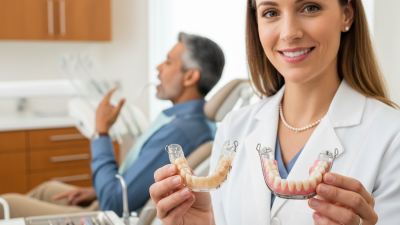
Why Choose Removable Partials for Your Dental Needs?
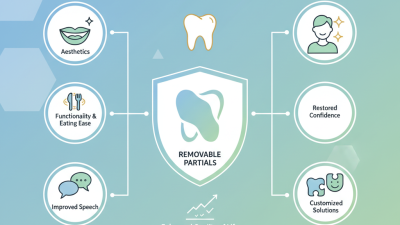
When considering dental solutions, removable partials have gained significant attention. According to the American Dental Association (ADA), over 20 million Americans are missing all their teeth. For those with partial tooth loss, removable partial dentures are a practical choice. They provide an effective way to restore function and aesthetics.
Removable partials can aid in chewing, speaking, and boost confidence. They are adaptable and can be adjusted as dental needs change over time. Their affordability compared to fixed options makes them appealing. Studies show that patients often prefer removable designs for their simplicity and ease of maintenance.
However, it is essential to weigh the pros and cons. While removable partials offer flexibility, they may require adjustments over time. Adherence to proper care routines is vital for longevity and oral health. Exploring these aspects is crucial for making informed decisions about your dental needs.
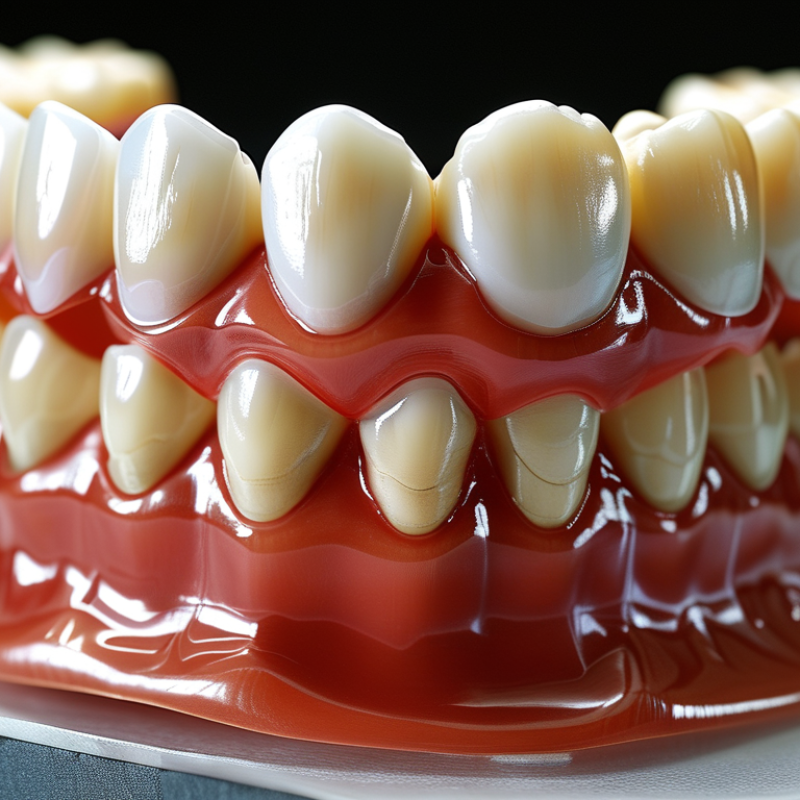
Benefits of Removable Partials for Tooth Replacement
Removable partial dentures are an excellent solution for those needing tooth replacement. These prosthetics provide a cost-effective way to restore functionality and aesthetics. Studies reveal that nearly 40% of adults experience tooth loss by age 65. This loss not only affects oral health but also impacts self-esteem. Removable partials can help bridge those gaps.
One key benefit of removable partials is comfort. They are designed to fit snugly and can be adjusted as needed. Flexibility is another advantage; they can be removed for cleaning, giving users control over their oral hygiene routine. It’s estimated that over 50% of removable denture wearers favor partials for these reasons.
**Tip:** When choosing removable partials, consult with a dental professional. They can help determine the right materials and design based on personal needs.
Some users may find themselves questioning the durability of removable partials. While they are effective, there is a risk of wear over time. Regular check-ups with a dentist are vital. They can assess and recommend any necessary adjustments.
**Tip:** Regular cleaning ensures maximum lifespan and optimal performance. Cleaning should be done daily, using a gentle brush and mild soap.
Comparative Analysis: Removable Partials vs. Fixed Dentures
When considering dental solutions, removable partial dentures and fixed dentures each present unique advantages and disadvantages.
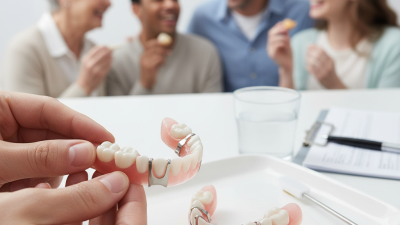
Removable partials are designed to replace multiple missing teeth. They can be easily taken out for cleaning and maintenance. This flexibility often suits individuals who may not require complete tooth replacement or who prioritize easy hygiene.
On the other hand, fixed dentures offer a more permanent solution. They are attached directly to existing teeth or implants. Many patients find them more stable, with less risk of movement while eating.
However, fixed dentures may require more extensive dental work. This can involve irreversible procedures that some patients might not want to commit to, especially if they prefer a conservative approach.
Selecting the right option depends on various factors. Personal comfort, lifestyle, and dental health all play a role. Some individuals struggle with the idea of altering their natural teeth permanently. This can lead to hesitation regarding fixed dentures.
Removable partials can simplify decision-making for those seeking less invasive procedures while still addressing aesthetic concerns.
Balancing convenience and commitment is key in this important decision.
Considerations for Choosing Removable Partials
Choosing removable partials for dental needs can be a practical solution, but it involves careful consideration. These devices can improve chewing and aesthetics for those missing several teeth. However, they may not fit perfectly in every mouth. It's essential to consult a dental professional to assess your specific situation.
When selecting removable partials, consider comfort and functionality. Patients often report soreness during the adjustment period. Materials can vary, impacting both feel and durability. Testing different options can help identify the best fit for comfort and ease of use.
**Tips:** Ensure you prioritize maintenance. Keeping your partials clean is crucial. Regular cleaning prevents odor and staining, helping your smile stay fresh. Also, be open to adjustments. Your dental professional can modify the fit over time for improved comfort. Reflecting on these factors can lead to a more satisfying outcome with your removable partials.
Why Choose Removable Partials for Your Dental Needs? - Considerations for Choosing Removable Partials
| Consideration |
Description |
Pros |
Cons |
| Cost |
Removable partials are generally less expensive than fixed options. |
Affordable dental restoration option |
May not last as long as permanent solutions |
| Flexibility |
Easier to adjust or replace as needed. |
Easier to modify than fixed dentures |
Adjustment periods may be required |
| Oral Hygiene |
Removable partials can be taken out for cleaning. |
Promotes better oral hygiene practices |
Requires diligent cleaning routine |
| Comfort |
Custom-fitted for individual mouths. |
Can be comfortable if well-fitted |
Can cause soreness or irritation for some |
| Aesthetic |
Can be designed to match natural teeth. |
Improves smile appearance |
Might not look as natural as fixed options |
Maintenance and Care for Removable Partial Dentures
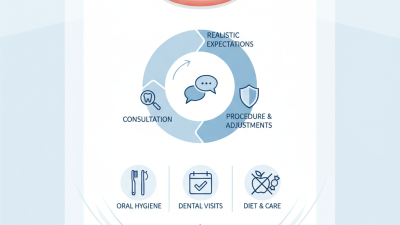
Removable partial dentures (RPDs) require special care to maintain their functionality and appearance. Studies show that approximately 42% of people with dentures struggle with cleaning them properly. Proper maintenance is crucial for preventing plaque buildup. Use a soft-bristle toothbrush to gently clean your RPD daily. A mild soap solution is often recommended, avoiding harsh chemicals that may damage the material.
Regular visits to dental professionals are essential. They can assess the fit and condition of your RPD. It's alarming that nearly 30% of denture wearers do not seek professional cleaning sessions annually. Neglecting routine check-ups may lead to discomfort and alterations in the fit. Pay attention to any changes in your mouth. Discomfort or sore spots can indicate that adjustments are necessary.
Storage is just as important as cleaning. When not in use, keep your RPD in a soaking solution to prevent drying out. Many users might overlook this step, risking distortion. Consider using a specific container that allows for easy access yet protects from damage. Regular maintenance not only extends the lifespan of your dentures but also helps ensure optimal oral health. Balancing care with daily routines can indeed be challenging, but the outcome is worth the effort.
Cost-Effectiveness of Removable Partial Dentures
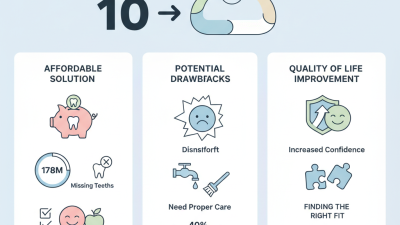
Removable partial dentures (RPDs) are increasingly recognized for their cost-effectiveness in dental care. According to the American Dental Association, the average cost of RPDs ranges from $800 to $1,800, depending on the complexity. This affordability is particularly appealing for patients seeking replacements for missing teeth without breaking the bank. Many find RPDs to be a practical choice, especially in comparison to fixed options, which can be significantly more expensive.
Moreover, removable partial dentures can last between five to ten years with proper care. In a survey by the Journal of Prosthetic Dentistry, over 30% of patients reported that RPDs improved their quality of life. However, maintenance can be challenging, leading some wearers to reconsider their choices. Regular cleaning and adjustments are essential to ensure comfort and effectiveness. Patients sometimes overlook these responsibilities, leading to dissatisfaction.
Cost isn't the only factor influencing choice. The convenience of RPDs allows patients to easily remove them when necessary. Yet, some might experience initial discomfort or difficulty in adjustment. This need for adaptation is a common aspect requiring reflection for potential users. Balancing costs and quality of life improvements makes removable partial dentures a compelling option for many.