How to Choose the Best Cosmetic Dental Implants for Your Smile?
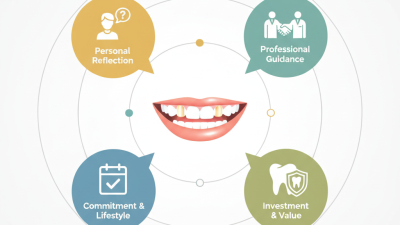
When considering a smile makeover, Cosmetic Dental Implants are an attractive option. These implants offer a permanent solution to missing teeth. They blend seamlessly with your natural smile. Choosing the right implants involves understanding your unique dental needs.
Many factors influence this decision. You must explore various materials, techniques, and dentists' expertise. Quality matters immensely in cosmetic dentistry. It can be daunting to navigate all these choices. Each person's smile is different, making personalized attention vital.
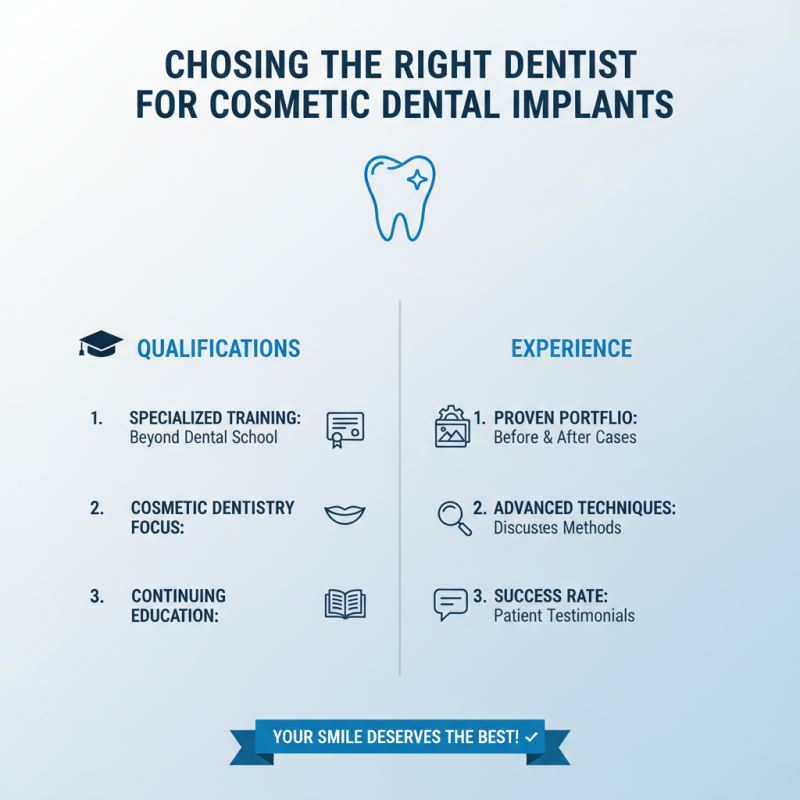
Moreover, it's important to reflect on potential challenges. Not all implants are created equal, and results can vary. Working with a skilled dentist ensures you make informed decisions. Their experience can guide you through the intricate process of selecting cosmetic dental implants. Embracing this journey provides the chance for a transformative smile.
Understanding Cosmetic Dental Implants: What You Need to Know
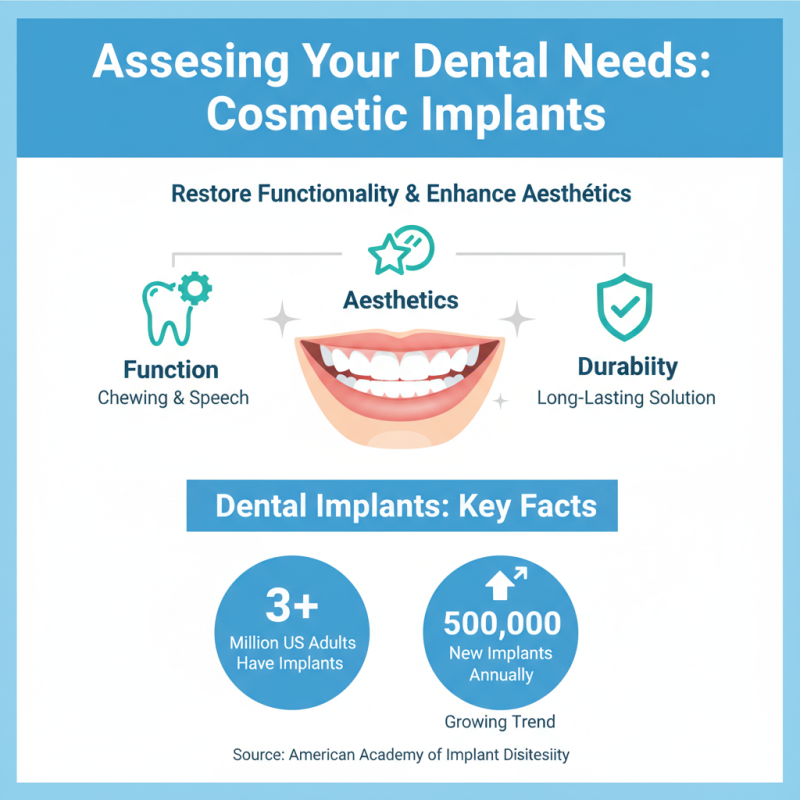
Cosmetic dental implants have gained immense popularity. According to the American Academy of Implant Dentistry, over 3 million people in the U.S. have dental implants, a number that is growing by 500,000 annually. This rise reflects the increasing awareness of oral health and aesthetics.
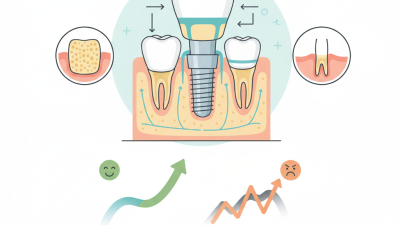
When considering implants, understanding the types available is crucial. Many options exist, including titanium and ceramic materials. Each type offers different benefits. Titanium implants are durable, while ceramic options blend seamlessly with natural teeth. Yet, failures can occur, with a reported failure rate of about 5-10%. This underscores the importance of choosing a skilled professional for the procedure.
A critical aspect often overlooked is aftercare. Proper maintenance extends the lifespan of dental implants. Routine check-ups are essential for monitoring gum health. Neglecting follow-up care can lead to complications. Patients should ask their providers about post-operative care as well. Engaging in these conversations can significantly impact outcomes. Awareness of these details paves the way for informed decisions.
Assessing Your Dental Needs: Types of Cosmetic Implants Available
When considering cosmetic dental implants, it's essential to assess your specific dental needs. Dental implants can restore functionality and improve aesthetics. According to the American Academy of Implant Dentistry, over 3 million people in the U.S. have dental implants, with that number expected to rise by 500,000 annually. This growing trend highlights the importance of knowing the types available.
There are several types of cosmetic implants. Endosteal implants, inserted directly into the jawbone, are the most common. They require adequate bone density and are less suitable for those with significant bone loss. Subperiosteal implants, on the other hand, sit above the jawbone under the gum tissue. They are suitable for patients who can't undergo bone augmentation. The choice often hinges on your dental structure and overall health.
Proper evaluation is crucial. Some patients may find that they need bone grafts before getting implants, which could extend treatment time. Others may face challenges like inflammation or lack of healing. Factors like age, lifestyle, and dental hygiene play significant roles in the success of cosmetic implants. Understanding these variables can help you make an informed decision.
Evaluating the Cost Factors: Budgeting for Dental Implants
When considering dental implants, budgeting is a crucial factor. The total cost typically ranges from $3,000 to $4,500 per implant. This expense can be daunting, but understanding the components is essential. Initial consultations may cost between $100 to $300. X-rays and scans add another $200 to $800.
Materials vary by quality, impacting the overall price. Titanium implants, favored for their durability, often come at a premium. It's vital to research and evaluate all aspects. Some clinics offer financing plans. Insurance might cover portions, with many policies offering partial reimbursement for surgical costs.
Hidden costs may arise during the process. For instance, bone grafts can range from $300 to $3,000. Additional procedures may affect your budget. An informed decision requires careful planning and examination of potential pitfalls. Financial preparedness can enhance the experience and outcomes, allowing for a truly confident smile.
Post-Procedure Care: Maintaining Your New Smile for Longevity
After getting cosmetic dental implants, caring for your new smile is essential. Your implants will need time to heal properly. This period varies for each person. Maintaining good oral hygiene is crucial. Brush your teeth gently twice a day with a soft-bristled toothbrush. Floss daily to prevent plaque buildup around the implants.
Avoid certain foods that could harm your new implants. Hard or sticky foods may dislodge the implant or damage it. It's also wise to limit sugary snacks and drinks. Regular dental check-ups will ensure your implants are functioning well. Your dentist can spot any issues early.
Remember, adjustments may be needed. Over time, your bite may feel different. Don't hesitate to voice concerns to your dentist. They can suggest solutions that work for you. Every smile is unique, and it may take time to adapt fully. Embrace this journey for a lasting, beautiful smile.