Digital Dental Implants Tips for Lasting Smile Transformations?
Achieving a radiant smile has never been easier, thanks to advancements in dental technology. Digital dental implants are revolutionizing how we approach tooth replacement. These implants provide a reliable foundation for artificial teeth, offering both functionality and aesthetics.
Many people worry about the procedure's complexity and recovery times. However, with the right guidance and care, outcomes can be remarkably positive. Digital dental implants utilize precise imaging and planning, which can lead to more successful results. Patients often report faster recovery times compared to traditional methods.
Yet, not every case will go perfectly. Some may experience discomfort or complications. It's crucial to choose a skilled dental professional who understands these methodologies deeply. Investing time in research can enhance the chances of a successful smile transformation. Embracing digital dental implants means committing to a journey towards a better smile, but it's important to stay informed and prepared for potential challenges along the way.
Understanding Digital Dental Implants: A Comprehensive Overview
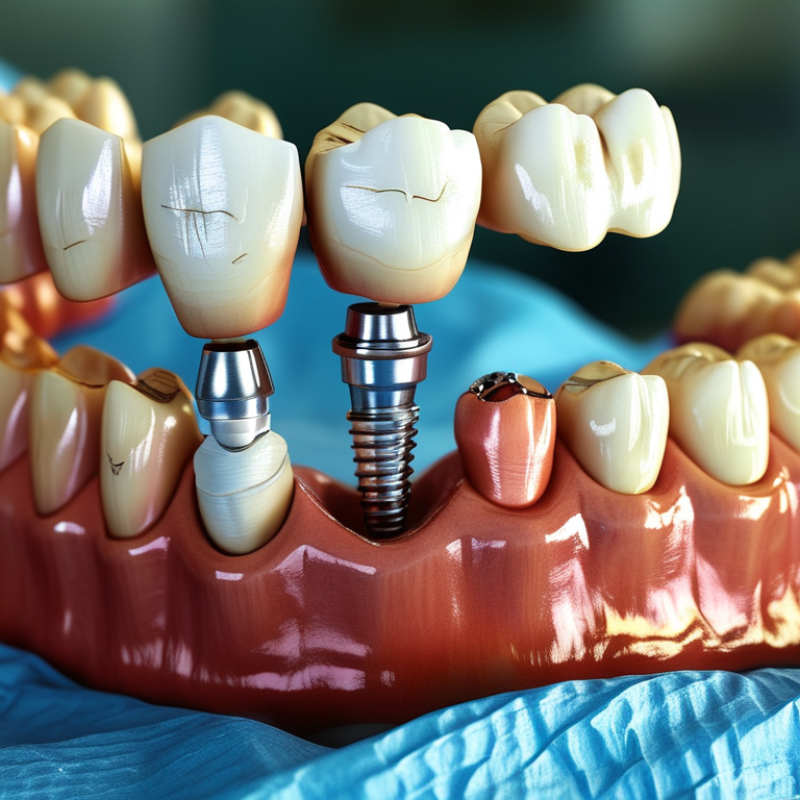
Digital dental implants represent a revolutionary approach to tooth replacement. These advanced solutions utilize 3D imaging and precise software for planning, offering a tailored experience. The digital workflow allows for more accurate placement, resulting in better integration with the jawbone. This meticulous process minimizes recovery time and enhances overall satisfaction.
Despite these advancements, not every case is straightforward. Each patient is unique, and complications can arise. For some, the bone density may not support implants easily. A thorough pre-evaluation is essential to address potential issues early. Patients must engage fully with their dental professionals to understand this journey. Reality might not meet expectations, and adjustments may be necessary.
Communication is key. Understanding the process and being prepared for possible setbacks can alleviate anxiety. Following the dentist's guidance is crucial for success. This collaborative approach can lead to a significant and lasting transformation, but it requires commitment and trust from both the patient and the professional. Keep an open mind and be flexible as you navigate this path toward a revitalized smile.
Key Benefits of Digital Implants Over Traditional Options
Digital implants offer remarkable advantages over traditional options for those seeking lasting smile transformations. A study published in the Journal of Prosthetic Dentistry shows that the success rate of digital implants can reach 98%, compared to only 90% for traditional procedures. The precision of digital planning reduces the margin for human error, enhancing the overall reliability of treatments.
One key benefit of digital implants is the ability to streamline the process. 3D imaging allows for more accurate assessments and positioning. Patients often experience less discomfort and faster recovery times. According to industry reports, digital techniques can shorten the treatment timeline by up to 30%. This efficiency can be a crucial factor for those with busy lives.
Patients should be aware that while digital implants provide many benefits, they also require specific aftercare. Regular dental check-ups and maintaining oral hygiene are essential. Some find the initial investment for digital procedures higher. However, these implants typically last longer, often reducing costs in the long run. Selecting a dentist with expertise in digital technology is vital for optimal results. Make sure to ask about their experience with these modern techniques.
Step-by-Step Process of Digital Implant Placement and Recovery
Digital dental implants can significantly enhance your smile. Understanding the step-by-step process of implant placement and recovery is vital for achieving lasting results. The journey begins with a thorough consultation. During this visit, a dental professional evaluates the condition of your mouth and discusses your goals. High-resolution imaging may be used to map out the precise placement of the implant.
After planning, the implant procedure occurs. Typically, this involves the insertion of a titanium post into the jawbone. Anesthesia ensures patient comfort throughout the process. It can leave some patients feeling anxious, especially if they fear pain. Post-surgery, your body will initiate healing. Expect some swelling and discomfort during recovery. Following care instructions is essential for a successful outcome.
As healing progresses, integration of the implant into the jawbone takes place. This osseointegration requires a few months and varies among individuals. The uncertainty about recovery times might discourage some. Routine follow-ups with your dentist are crucial during this phase. They help monitor progress and address any concerns. While digital dental implants offer impressive results, the individual journey may not always align with expectations. Embracing this process fully can lead to a beautiful smile.
Essential Aftercare Tips for Long-Lasting Implant Success
Digital dental implants can provide a life-changing transformation. However, achieving longevity requires proper aftercare. Maintaining a radiant smile involves implementing effective practices immediately after the procedure.
After your dental implants are placed, follow your dentist's instructions carefully. Use a soft-bristled toothbrush to clean the area gently. Avoid abrasive toothpaste, as it can irritate healing gums. Consistent oral hygiene will minimize the risk of infection. Rinse with a prescribed mouthwash to promote healing.
Diet also plays a crucial role in recovery. Soft foods are essential during the initial healing phase. Gradually introduce more solid foods, but steer clear of hard or crunchy ones for some time. Staying hydrated is vital, as it supports healing. Regular check-ups with your dentist ensure that your implants are on the right track. Don't hesitate to discuss any concerns. Maintaining an open dialogue with your dental professional is key.
Emerging Technologies in Dental Implants: Future Trends and Innovations
Emerging technologies are revolutionizing dental implants. AI and 3D printing are at the forefront. A report from the Global Market Insights suggests that the dental implant market will exceed $10 billion by 2026. This growth is due to advancements that enhance precision and efficiency in implant procedures. The integration of AI helps in treatment planning. Surgeons can predict outcomes with greater accuracy.
3D printing allows for customization. Each implant can be tailored to an individual’s anatomy. This technology not only reduces surgery time but also lowers the risk of complications. According to research published in the Journal of Oral Maxillofacial Surgery, patients report higher satisfaction with these personalized implants. However, there are still challenges. The long-term durability of new materials is under study. Each advancement prompts critical evaluations of safety and effectiveness.
Tele-dentistry has also grown. Patients can consult with specialists remotely. This innovation expands access to care, particularly in underserved areas. However, it requires careful consideration of patient data security. Experts emphasize focusing on user experience while maintaining robust protection for patient information. Overall, the intersection of technology and dental health holds promise, but vigilance is necessary to address potential risks.
Digital Dental Implants: Trends and Innovations