How to Identify Fake Dental Products When Sourcing Globally?
Identifying fake dental products during global sourcing is crucial for dental practitioners and patients alike. Dr. Emily Carter, a renowned expert in dental product safety, once stated, “Authenticity is key in dentistry. Fake dental products risk patient safety.” This highlights the pressing need for vigilance in verifying product origins.
The dental market is rife with counterfeit items, making it challenging to discern genuine products from fakes. A single purchase of a fake dental product could lead to serious ramifications, including compromised patient health. Dentists must be aware of the specific characteristics that distinguish authentic products from imitations. Packaging, labeling, and verification processes are essential components in this vigilance.
Even seasoned professionals can overlook the subtleties of fake dental products. Regular training and updates on emerging counterfeiting techniques are vital. Additionally, engaging with reputable suppliers who demonstrate transparent sourcing practices is a must. The fight against fake dental products requires not only knowledge but also a commitment to ongoing education and awareness.
Understanding the Importance of Authentic Dental Products in Global Sourcing
When sourcing dental products globally, authenticity is crucial. Fake dental items can jeopardize patient health and undermine professional credibility. Not only do counterfeit products fail quality standards, but they might also contain harmful substances. This puts both dental professionals and patients at risk.
Understanding the importance of authentic dental products involves recognizing the impact they have on treatment outcomes. Dentists rely on high-quality materials for procedures. Inconsistent or subpar products can lead to complications or treatment failures. This creates a significant burden on healthcare systems and diminishes trust in dental professionals.
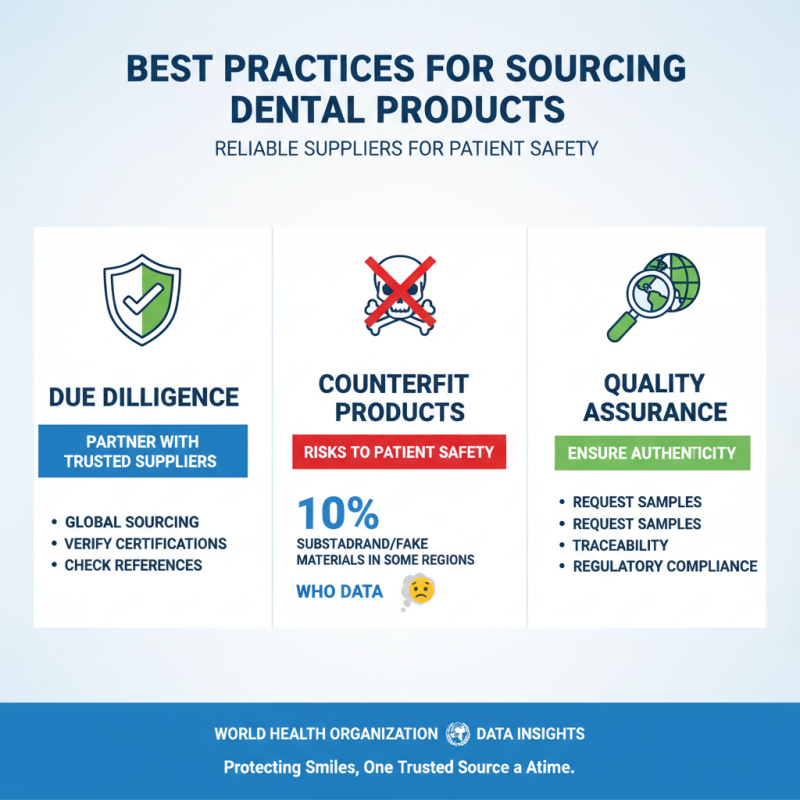
Being aware of potential red flags is essential. Unusually low prices may indicate counterfeit products. It's important to investigate suppliers thoroughly. Verify certifications and request quality assurance documents. Additionally, developing strong relationships with trusted suppliers can provide greater assurance. Ultimately, taking these steps ensures that quality dental care is not compromised in the global marketplace.
Key Indicators of Genuine Dental Products to Look For
When sourcing dental products globally, it's vital to differentiate between genuine and fake items. One key indicator is certification. Look for marks from reputable organizations. Products should have clear validation labels like ISO or CE. These certifications ensure compliance with international quality standards. Research shows that over 30% of dental products fail to meet even basic safety guidelines.
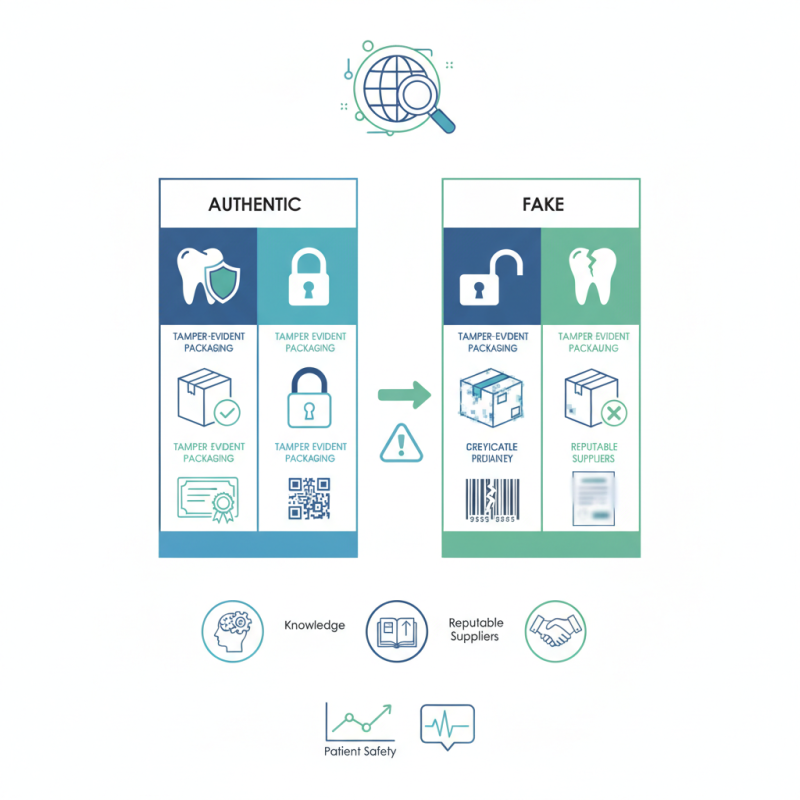
Packaging is another telltale sign. Authentic products often have high-quality packaging. Check for any misspellings or poor print quality. A study found that 25% of counterfeit dental supplies had substandard packaging. Tip: Always scrutinize the details on packaging.
Also, consider the pricing. If a product is significantly cheaper than usual, it may be a red flag. Genuine dental products have consistent pricing across markets. Engage with manufacturers directly when possible. It fosters transparency. However, there’s room for error. Sometimes, legitimate products might be priced competitively due to market dynamics.
In conclusion, verifying the authenticity of dental products takes diligence. Utilize industry resources, connect with credible suppliers, and remain skeptical.
Key Indicators of Genuine Dental Products vs. Fake Dental Products
Common Types of Fake Dental Products in the Market
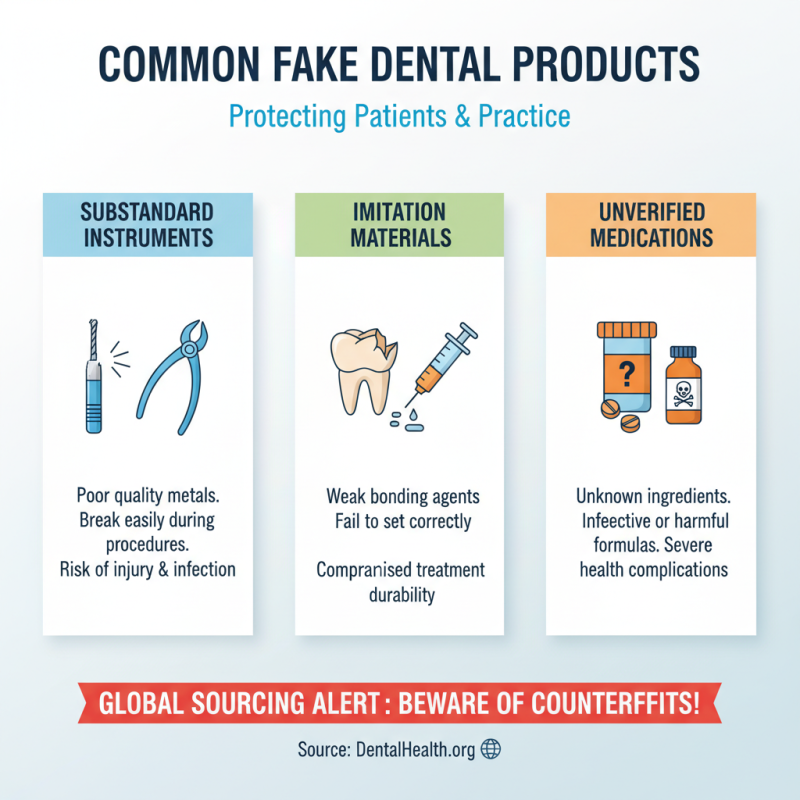
When sourcing dental products globally, awareness of counterfeit items is crucial. Common fake dental products include substandard instruments, imitation materials, and unverified dental medications. These fakes can lead to serious risks for both dental practitioners and patients. For example, poorly made instruments can break during use, causing potential harm. Moreover, counterfeit dental materials may not adhere properly, undermining the treatment process.
One significant risk area is dental implants. Fake implants may use inferior materials, affecting their success rate. Patients may experience complications due to these low-quality products. Another concern is dental whitening agents that mimic legitimate products but lack safety testing. Such products can cause irreversible damage to enamel or gums. Observing packaging details, certifications, and batch numbers is vital in preventing these mishaps.
It’s essential to cultivate a discerning eye. Researching suppliers through credible sources and attending industry conferences can provide valuable insights. Consider seeking recommendations from trusted colleagues. While this process requires diligence and time, the safety and well-being of patients depend on it. A little effort in due diligence goes a long way in ensuring authenticity in dental sourcing.
Effective Ways to Verify the Authenticity of Dental Products
When sourcing dental products globally, it is crucial to verify their authenticity. Start by assessing the supplier's background. Reliable suppliers often have a proven track record and positive reviews. Check for certifications or affiliations with recognized dental associations. This information can provide insights into their credibility.
Next, examine the product packaging carefully. Genuine dental products usually have clear labeling, expiration dates, and batch numbers. Look out for spelling errors or poor-quality print. These details can often reveal a counterfeit product. If possible, ask for product samples and compare them with known authentic items.
Moreover, stay informed about the latest trends in dental products. Counterfeiters evolve their tactics frequently. Regularly educating yourself will help you spot potential red flags. Utilize online resources and forums to share experiences with other professionals. Remember, vigilance is key; if something feels off, don’t hesitate to dig deeper.