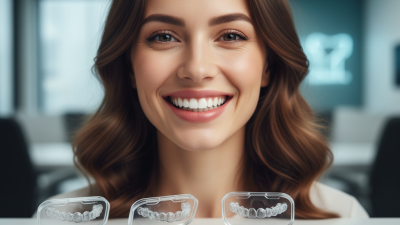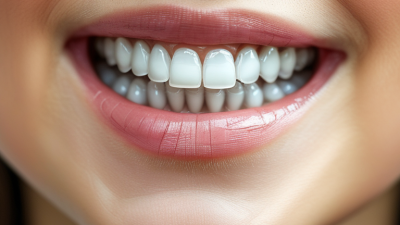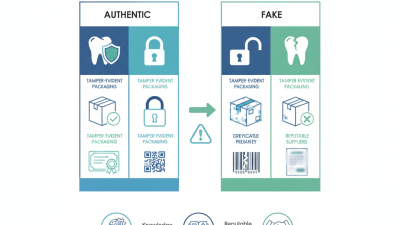
Choosing the right Fake Teeth Veneers can feel confusing for global buyers. Product photos often show perfect smiles, bright lighting, and flawless results. Real purchasing decisions are less simple. Material quality, fit, comfort, appearance, and supplier transparency matter much more.
This guide introduces ten common types, including snap-on veneers, temporary cosmetic covers, resin options, composite-style designs, and custom-fit alternatives. Each type serves a different purpose. Some suit short events, while others focus on repeated use. Buyers should check measurements, ingredients, cleaning instructions, return policies, and independent product reviews before ordering. A low price may hide weak edges, poor ventilation, or uncomfortable pressure.
Safety comes first. Fake Teeth Veneers should never replace professional dental treatment or correct damaged teeth. A dentist can assess gum health, bite alignment, allergies, and possible risks. Requirements also differ between countries, especially for products that contact the mouth. Reliable suppliers should provide clear specifications, batch information, customer support, and honest limitations. Avoid sellers promising permanent results without clinical evidence.
Not every product performs as advertised. That deserves attention. Even well-designed veneers may feel bulky or look unnatural under close lighting. This overview aims to help buyers compare options carefully, not encourage impulsive purchases. Personal comfort varies, and expert advice remains valuable. A thoughtful choice begins with realistic expectations, accurate information, and respect for local consumer and health regulations.
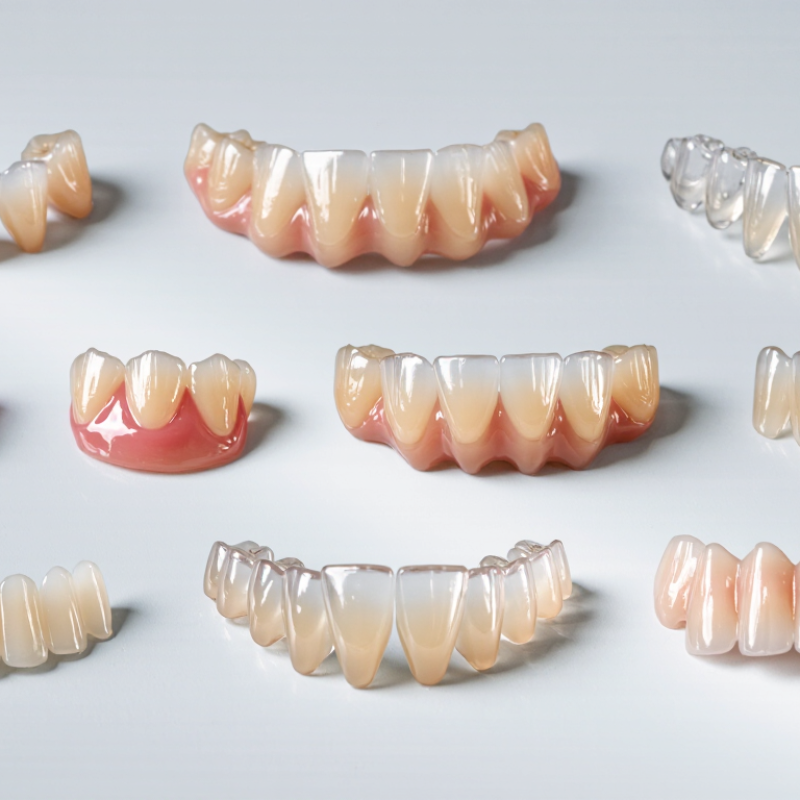
Fake teeth veneers are thin coverings designed to improve the visible shape, color, or spacing of teeth. Some are removable shells worn over existing teeth. Others are professionally fitted restorations bonded to the tooth surface. They are not the same as dentures, which replace several missing teeth. They also cannot repair untreated decay, gum disease, or damaged roots.
Classification usually depends on four details: attachment method, material, fabrication process, and intended use. Removable veneers may be ready-made, heat-adjustable, or custom-made from dental impressions. Fixed veneers are commonly classified by their ceramic or resin-based composition. Buyers may also see temporary, cosmetic, partial, or full-arch designs. These labels can overlap, which makes product descriptions easy to misunderstand.
A reliable assessment starts with oral health and bite alignment. A dental professional should check whether the covering presses against the gums or changes speech. A poorly fitted shell may trap food, cause soreness, or loosen during eating. Material claims also need careful review. “Natural-looking” does not guarantee comfort or durability. In my view, classification is helpful, but it is not perfect. Fit and clinical suitability matter more than appearance alone. Clear instructions, accurate measurements, and transparent care requirements provide stronger evidence of quality than attractive photographs.
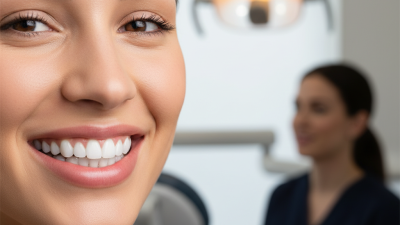
Fake teeth veneers are cosmetic coverings placed over the visible tooth surface or used as removable shells. They are commonly classified by material, fabrication method, preparation level, and whether they are fixed or removable.
The chart shows the midpoint of commonly reported service-life ranges. Fixed porcelain and ceramic veneers commonly last about 10–15 years, composite veneers about 5–7 years, and temporary or removable shells generally last for shorter periods. Actual longevity depends on bonding quality, oral hygiene, bite forces, diet, and maintenance. No-prep, minimal-prep, and ultra-thin veneers are design classifications that may use similar ceramic materials.
Reference ranges: Cleveland Clinic, “Dental Veneers”; peer-reviewed dental literature on composite and ceramic veneer survival. Temporary and removable products have more variable, product-dependent service lives.
Removable snap-on veneers offer a quick cosmetic change without permanently altering natural teeth. They fit over existing teeth and can improve the appearance of gaps, stains, or uneven edges for photos and short events. Unlike permanent dental restorations, they are temporary and should not replace professional treatment. A qualified dentist can check whether your bite, gums, and tooth alignment are suitable.
For global buyers, fit matters more than a bright shade. Use accurate dental measurements, clear fitting instructions, and reliable material information before ordering. Poorly fitted veneers may feel bulky, affect speech, or rub against the gums. Eating hard or sticky foods can loosen them. They also need gentle cleaning after use and complete drying before storage. I have found that first-time users often expect a natural feeling immediately. That expectation is not always realistic.
Tips: Start with short wearing periods at home. Speak slowly and test your pronunciation. Remove the veneers before sleeping, exercising, or eating unless a dental professional advises otherwise. Check for sharp edges, pressure spots, or unusual soreness. Stop using them if discomfort continues. Avoid boiling water, harsh cleaners, and reshaping the device without professional guidance. A lower price can be attractive, but unclear sizing and material details may create extra costs later.
| No. | Veneer Type | Common Material | Typical Coverage | Retention or Fit Method | Typical Temporary Use | Appearance Potential | Main Advantages | Important Limitations | Care Considerations |
|---|---|---|---|---|---|---|---|---|---|
| 1 | Standard Full-Arch Snap-On Veneer | Thermoplastic resin or flexible dental-grade polymer | Most visible teeth in the upper or lower arch | Snaps over existing teeth; some versions use a heat-adjustable fit | Occasional wear for photographs, events, or short-term cosmetic changes | Moderate to high, depending on fit, thickness, and tooth-color selection | Covers multiple visible teeth and requires no permanent tooth preparation | May feel bulky, affect speech, or loosen during eating and vigorous activity | Rinse after use, brush gently with mild soap, air-dry, and store in a ventilated case |
| 2 | Upper-Arch Snap-On Veneer | Rigid or semi-flexible thermoplastic material | Upper front teeth and premolar area | Contour rests around the upper teeth and gumline | Temporary daytime cosmetic use | High for front-facing photographs when the shade and shape are suitable | Focuses coverage on the most visible teeth and is usually simple to insert | Can interfere with natural bite alignment and may not suit crowded teeth | Avoid hot water unless the fitting instructions specifically allow heat adjustment |
| 3 | Lower-Arch Snap-On Veneer | Thermoplastic resin or flexible polymer | Lower front teeth and adjacent visible teeth | Custom-shaped channel that rests over the lower teeth | Short-duration cosmetic wear | Moderate, because lower teeth are more affected by lip movement and bite contact | Provides an option for buyers who do not need an upper-arch appliance | Lower-arch retention can be more sensitive to tongue movement and bite pressure | Clean separately from the upper appliance and check regularly for sharp edges |
| 4 | Heat-Fit Moldable Veneer | Heat-softenable thermoplastic resin | Usually an upper or lower front-tooth segment | Softened in warm water and shaped around the teeth according to instructions | Repeated short-term use when a basic home fit is acceptable | Moderate; the result depends strongly on molding accuracy | More adaptable than a fixed-size appliance and can be remoldable in some designs | Incorrect heating or molding may produce poor retention, distortion, or discomfort | Use only the recommended water temperature and do not remold indefinitely |
| 5 | Custom Impression-Based Removable Veneer | Vacuum-formed resin or laboratory-fabricated polymer | Selected visible teeth or a complete arch | Made from a dental impression or digital scan | Temporary cosmetic use with potentially longer daily wear than generic products | High when the impression, shade, and tooth proportions are accurate | Generally offers better fit, comfort, and natural proportions than a universal-fit product | Usually costs more and still does not correct decay, gum disease, or damaged teeth | Clean according to the material instructions and obtain professional review if irritation occurs |
| 6 | Partial-Gap Cosmetic Veneer | Acrylic resin or flexible thermoplastic polymer | A limited front-tooth area containing one or more missing teeth | Rests on neighboring teeth; some designs use a thin internal flange | Temporary appearance improvement while awaiting dental treatment | Moderate to high if neighboring teeth are stable and the shade matches | Can visually fill a small gap without permanent bonding or tooth reduction | Not a substitute for a permanent bridge, implant, or restorative treatment | Remove before sleeping unless a dental professional gives different instructions |
| 7 | Ultra-Thin Cosmetic Shell | Thin molded resin or flexible polymer sheet | Primarily the visible front surfaces of the upper teeth | Light snap fit with minimal internal bulk | Short periods when a less bulky appearance is preferred | Potentially natural-looking from the front, subject to translucency and fit | Usually lighter and less noticeable than thicker full-arch shells | May provide less durability and coverage for severely uneven or widely spaced teeth | Handle carefully, avoid bending, and keep away from high heat and abrasive cleaners |
| 8 | Flexible Comfort-Fit Veneer | Flexible thermoplastic or soft polymer blend | Upper or lower visible teeth | Flexible edges adapt around the tooth contours | Intermittent wear where comfort is prioritized over rigid stability | Moderate, with a softer visual effect and potentially thicker edges | Can be more forgiving of minor tooth irregularities than a rigid shell | May flex during speaking or eating and can absorb odors if not cleaned properly | Rinse promptly after wearing and allow the material to dry completely before storage |
| 9 | Event-Use Decorative Veneer | Colored acrylic, resin, or thermoplastic material | Front teeth, often in a full visible-arch design | Removable snap fit or light friction fit | Costumes, themed events, stage use, or temporary photography | Designed for a noticeable effect rather than a natural match | Offers quick visual customization without permanent dental modification | Usually unsuitable for normal eating and may have limited comfort or retention | Use only for the intended short duration and clean before returning to the case |
| 10 | Temporary Post-Treatment Cover Veneer | Acrylic resin, provisional resin, or thin thermoplastic shell | One tooth, several teeth, or a complete visible arch | May be removable or lightly retained, depending on the dental treatment plan | Short-term use during healing, treatment planning, or replacement of a temporary restoration | Variable; designed mainly for provisional coverage rather than a final cosmetic result | Can protect appearance while a permanent restoration or professional solution is being arranged | Requires professional guidance; should not conceal pain, infection, looseness, or structural damage | Follow the dentist's instructions and seek care promptly if swelling, pain, or instability develops |
Buyer note: Removable cosmetic veneers are temporary appearance products, not replacements for professional diagnosis or permanent dental restorations. Fit, wear time, material safety, eating guidance, and local regulatory requirements vary by product and market.
Composite and resin veneers are among the most accessible options in the top ten veneer types. They use tooth-colored material shaped directly over the front surface. The procedure usually needs less enamel removal than porcelain treatment. It can correct small chips, uneven edges, and mild discoloration. Often, treatment takes one appointment. That convenience matters for international buyers.
Cost estimates vary by country and clinical complexity. Fortune Business Insights valued the global dental veneers market at about USD 2.05 billion in 2023, projecting USD 3.62 billion by 2032. Grand View Research reported a different 2023 estimate, showing why market figures need careful comparison. These reports indicate growing demand, not guaranteed treatment quality.
Composite veneers usually cost less than ceramic alternatives, but they may stain from coffee, tea, or tobacco exposure. Their typical service life can be shorter, often around five to seven years with proper care. Not permanent.
A dentist should examine enamel strength, gum health, bite pressure, and existing decay before placement. A resin veneer cannot safely hide untreated disease. Buyers should request material details, itemized fees, maintenance guidance, and professional credentials. Results also depend on polishing technique and daily habits. One overlooked issue is repairability: composite can often be reshaped or repaired more easily than porcelain. However, poor bonding may cause rough edges, sensitivity, or early fracture. These limitations deserve honest discussion, even when the lower price seems attractive.
Among the ten common types of fake teeth veneers, porcelain and ceramic veneers remain popular for a durable appearance. They are thin coverings bonded to the front surface of natural teeth. Their glass-like finish can reflect light more naturally than many resin alternatives. In a dental consultation, the clinician checks enamel strength, gum health, bite pressure, and tooth color. Shade tabs and temporary mock-ups help buyers preview the result. This step matters.
High-quality porcelain or ceramic can resist staining from coffee, tea, and red-colored foods. However, it is not indestructible. Biting ice, opening packaging, or grinding during sleep may cause cracks or detachment. A night guard may help patients with bruxism. Daily brushing, flossing, and professional cleanings still remain necessary. Veneers also cannot repair untreated decay or active gum disease.
Appearance depends on more than material. The dentist must match translucency, tooth length, facial proportions, and the gumline. A perfectly bright smile may look artificial under daylight. Slight variation can appear more natural. I would question any seller promising identical results for every buyer. Preparation may remove some enamel, and replacement can require further treatment. Longevity varies with technique, hygiene, bite forces, and regular dental reviews. Local dental regulations and qualified clinical assessment should guide every purchase.
The phrase “fake teeth veneers” covers several different products. Common types include acrylic, thermoplastic, composite-resin, ceramic-look, snap-on, clip-on, temporary, partial-arch, full-arch, and custom-fit veneers. They are not identical to professionally bonded dental veneers. Each type changes comfort, durability, appearance, and cleaning needs.
Acrylic options are usually affordable and lightweight, but they may scratch or feel bulky. Thermoplastic designs can soften with heat, yet poor molding may create pressure points. Composite-resin veneers often look more natural, while ceramic-look shells can appear brighter but may be fragile. Custom-fit products generally provide better speech and retention than generic versions. Fit matters greatly. Edges should not press against the gums, and the bite should feel balanced without forcing the jaw forward.
Global buyers should request clear material details, sizing instructions, care guidance, and independent safety documentation. Look for smooth surfaces, stable packaging, and transparent return policies. Avoid products with strong chemical odors, sharp edges, or unclear manufacturing information. A dental professional should check existing decay, gum irritation, bite problems, or loose teeth before use. Hygiene also matters; remove the veneer before sleeping unless a qualified clinician gives different advice. A bright photo can hide poor edges. That is an easy mistake. Country-specific medical-device rules, labeling requirements, and import restrictions should also be verified before payment.