The Ultimate Guide to Choosing the Right Dental Implant?
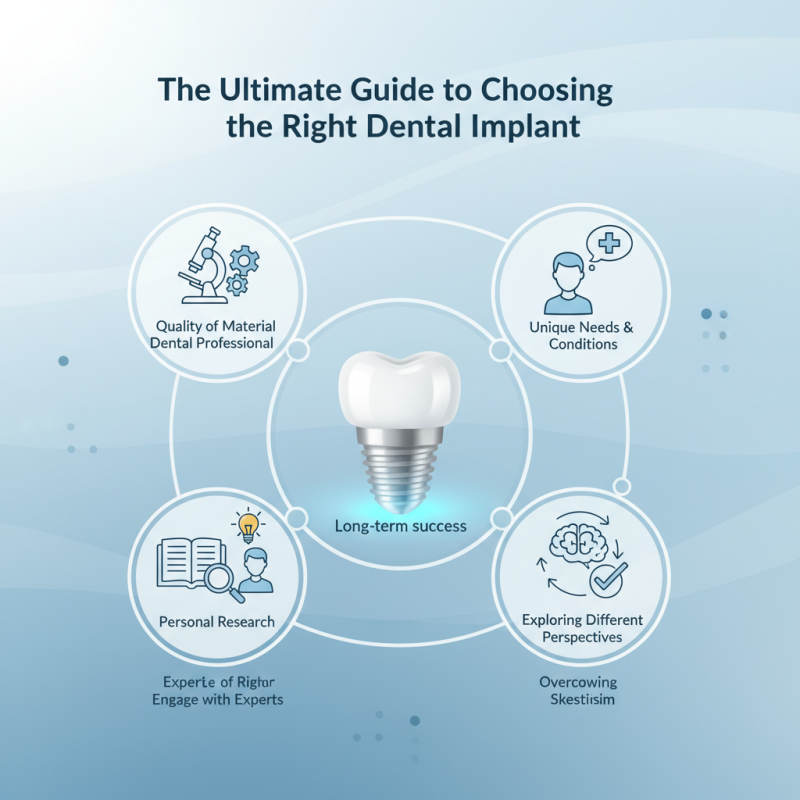
Choosing the right dental implant can feel overwhelming. With numerous options available, patients often struggle to make informed decisions. Dr. John Smith, a prominent oral surgeon, emphasizes, "Selecting the right dental implant is crucial for long-term success." This statement highlights the importance of careful consideration.
Many factors contribute to the effectiveness of a dental implant. The quality of the material and the expertise of the dental professional play significant roles. Additionally, patients must evaluate their unique needs and conditions. Each individual's situation is different, and what works for one may not suit another.
It's essential to engage with experts but also to do personal research. Sometimes, patients face difficulties in understanding all available options. Skepticism about the process can hinder progress. Therefore, exploring different perspectives can pave the way for better choices in dental implants.
Understanding the Different Types of Dental Implants Available Today
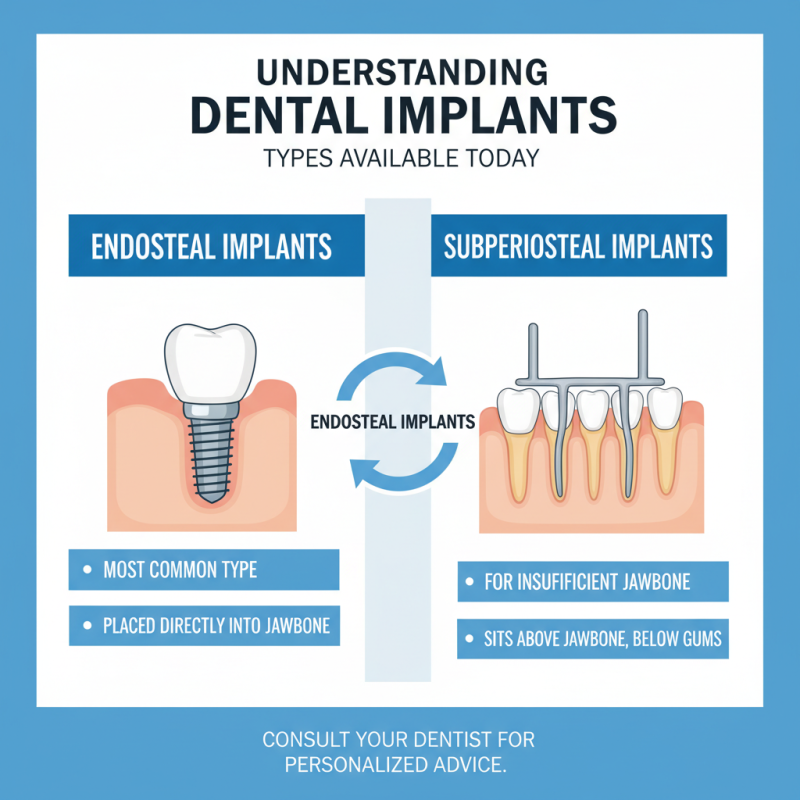
Dental implants are a popular solution for missing teeth. Understanding the types available can help you make an informed choice. The two main types are endosteal and subperiosteal implants. Endosteal implants are placed in the jawbone. They are the most common type. Subperiosteal implants sit above the jawbone but beneath the gum tissue. They are used for patients with insufficient jawbone height.
Tips: Always consult with a qualified dentist to determine which type suits your needs. Ask about the procedure and recovery time associated with each implant.
Another option is zygomatic implants. These are anchored in the cheekbone, used when there is a significant loss of jawbone. They might be an alternative if traditional implants aren’t feasible. Choosing the right type depends on your dental health and bone structure.
Consider these factors carefully. Reflections on your dental history can shape your decision. Don't rush the process. Take your time to weigh all options available. A detailed discussion with your dental professional can offer clarity.
Key Factors to Consider When Choosing Dental Implants for Your Needs
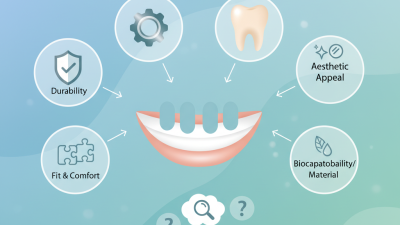
Choosing the dental implant is crucial for effective treatment. Factors like your oral health, bone density, and lifestyle play significant roles. Your decision should reflect your individual needs.
Consulting with professionals ensures you receive personalized advice. They can assess your unique situation. Ask questions about the materials used. Different materials come with various benefits and drawbacks. Have an open conversation with your dentist.
Tips: Always inquire about the long-term success rates of different implants. Understand the potential need for additional procedures. Research is important, but personal connection matters too. A dentist's experience can impact your experience. Look for someone who makes you feel comfortable and informed.
Consider your daily habits. Do you smoke or grind your teeth? These factors can affect healing and implant longevity. Reflect on your lifestyle choices. Adjusting them might improve your outcomes. Balancing knowledge with personal reflection can guide your decision.
Comparing Success Rates: Endosteal vs. Subperiosteal Dental Implants
When considering dental implants, understanding the types is crucial.
Endosteal and subperiosteal implants are the two most common options.
Endosteal implants are placed directly into the jawbone. They require enough bone density for
strong support.
Subperiosteal implants sit above the jawbone, under the gum tissue. They are suitable for patients with insufficient bone mass.
Success rates vary between the two types. Studies show that endosteal implants typically have a higher success rate.
They can last for many years with proper care. However, the procedure requires a more invasive approach.
On the other hand, subperiosteal implants may not be as long-lasting, but they offer a less invasive option.
This is important for those hesitant about surgery.
Tip: Consult with a qualified dentist to evaluate your bone structure. They can guide you toward the most appropriate choice.
It's essential to remember that
individual circumstances matter.
Each patient's needs are different, and there’s no one-size-fits-all solution.
Don't rush the process; take the time to weigh your options carefully.
You may need to explore further treatments for optimal results.
Evaluating Material Choices: Titanium vs. Zirconia for Dental Implants
Choosing the right dental implant material is crucial for long-term success. Two popular options are titanium and zirconia. Each material has its own strengths and weaknesses. Understanding these can help patients make informed decisions.
Titanium implants are well-known for their durability. They integrate seamlessly with bone, which is vital for stability. Many dentists prefer titanium due to its proven track record. However, some patients experience metal allergies or sensitivity. This can pose challenges that warrant careful consideration.
Zirconia, on the other hand, offers a cosmetic advantage. Its tooth-like color helps it blend in better with natural teeth. Zirconia is also metal-free, reducing the risk of allergic reactions. Yet, it may not bond with bone as effectively as titanium. This difference can influence the long-term stability of the implant. Patients should reflect on these aspects. Each material presents unique challenges and benefits that can impact oral health.
The Ultimate Guide to Choosing the Right Dental Implant: Evaluating Material Choices - Titanium vs. Zirconia for Dental Implants
| Criteria |
Titanium Implants |
Zirconia Implants |
| Material Properties |
Corrosion-resistant, biocompatible, proven track record |
Metal-free, aesthetic, good biocompatibility |
| Aesthetic |
Less aesthetic in visible areas |
More natural appearance for anterior teeth |
| Durability |
Highly durable and long-lasting |
Durable but may be more prone to fracture under stress |
| Osseointegration |
Excellent osseointegration |
Good osseointegration, though less researched |
| Allergic Reactions |
Rare, but possible for some patients |
No metal allergies, more suitable for sensitive patients |
| Cost |
Generally lower cost |
Typically higher cost |
The Role of Bone Density in Determining Implant Suitability and Longevity
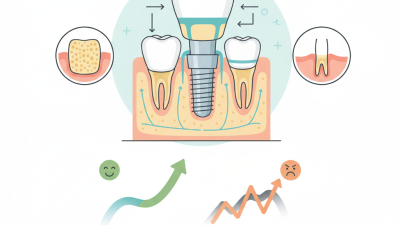
Bone density plays a crucial role in dental implant success. A strong jawbone provides a stable foundation for the implant. According to the Journal of Oral Implantology, implants placed in areas with sufficient bone density have a success rate of approximately 95%. In contrast, lower bone density increases the risk of implant failure. This is especially important for elderly patients or those with certain health conditions.
Before an implant procedure, a thorough evaluation of bone density is essential. Cone-beam computed tomography (CBCT) scans offer detailed views of the bone structure. These scans help dentists assess bone quality and identify any deficiencies. Some studies indicate that up to 30% of potential implant patients may lack adequate bone density. This underlines the need for alternative solutions, such as bone grafting, to improve outcomes.
It’s vital to acknowledge that not every patient is suited for implants. Every case is unique. Consideration of bone density, overall health, and lifestyle factors can impact suitability and longevity. Those with poor oral hygiene or systemic issues may face more complications. As the field evolves, understanding these nuances enhances the practice of implant dentistry.
The Impact of Bone Density on Dental Implant Success