7 Best Dental Bridges Crowns for Global Buyers?
Choosing among the 7 Best Dental Bridges Crowns can feel like comparing tools in a crowded clinic cabinet. Global buyers face different prices, materials, laboratory standards, and aftercare access. A zirconia crown may suit one patient, while a porcelain-fused-to-metal bridge may suit another. There is no universal winner.
This guide examines seven widely considered options through practical, clinically relevant criteria. We look at strength, appearance, fit, tooth preparation, lifespan, maintenance, and total treatment cost. We also consider laboratory communication, shipping conditions, warranty language, and local dental support. Those details matter. Front teeth may prioritize translucency, while back teeth demand load resistance. Gum health, available space, and opposing teeth also influence the recommendation. Clinical decisions should remain with a licensed dentist after examination and imaging. Published evidence and manufacturer documentation can support discussion, but neither replaces diagnosis.
The comparisons aim to help importers, clinics, and individual buyers ask better questions before ordering. Check material certification, traceability, shade records, and remake policies before payment. Ask how the restoration was designed, finished, disinfected, and adjusted. Small gaps can trap food. A polished surface can still fail if the bite is wrong. Our ranking is useful, but not perfect; product availability and clinical outcomes vary by country and case. Readers should treat it as a careful starting point, not a promise. Local regulations and professional guidance should always shape the final purchase.
Definitions: How Crowns and Bridges Restore Teeth and Differ in Function
7 Best Dental Bridges Crowns for Global Buyers?
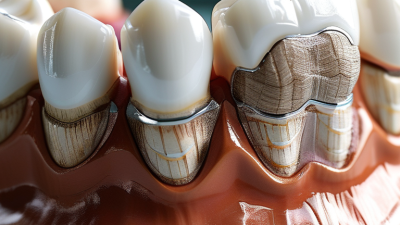
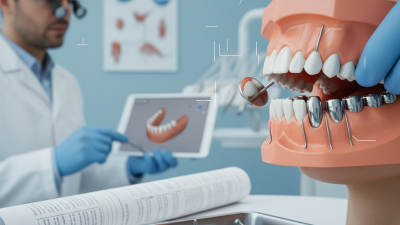
A crown is a custom cap covering a weakened or heavily restored tooth. It rebuilds shape, chewing function, and protection.
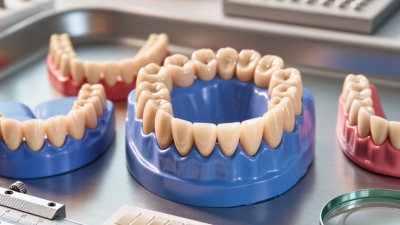
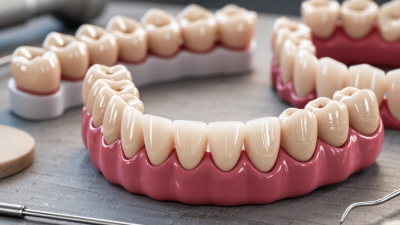
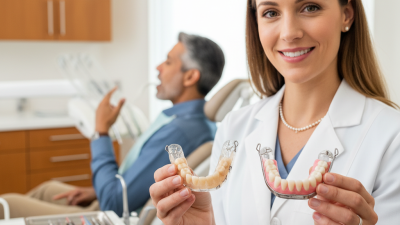
A bridge replaces one or more missing teeth. It uses neighboring teeth or implants as supports, with artificial teeth suspended between them.
They are not interchangeable. A crown treats a tooth that remains; a bridge fills a visible gap.
Clinical evidence shows why selection requires caution. A systematic review by Pjetursson and colleagues reported about 89% five-year survival for conventional tooth-supported fixed bridges. Survival declined near 80% after ten years.
Crown performance varies by material, tooth position, bite force, preparation quality, and hygiene. WHO’s Global Oral Health Status Report 2022 estimates that oral diseases affect nearly 3.5 billion people worldwide.
Access matters, but diagnosis matters more. A low price cannot reveal hidden decay, gum disease, or an unstable bite.
Tips:
Ask for a written treatment plan, material specification, warranty terms, and maintenance schedule. Confirm the provider’s licensing and laboratory standards in your country. Request digital or physical trial checks for color and fit.
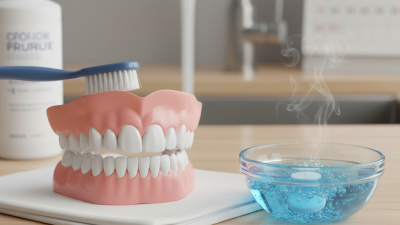
Clean under bridges with floss threaders or interdental brushes. Crowns still need daily brushing.
I have seen patients focus on appearance first, then regret ignoring gum bleeding. That detail is easy to miss.
Seven Leading Types: PFM, Zirconia, Lithium Disilicate, Gold, and Three Bridges
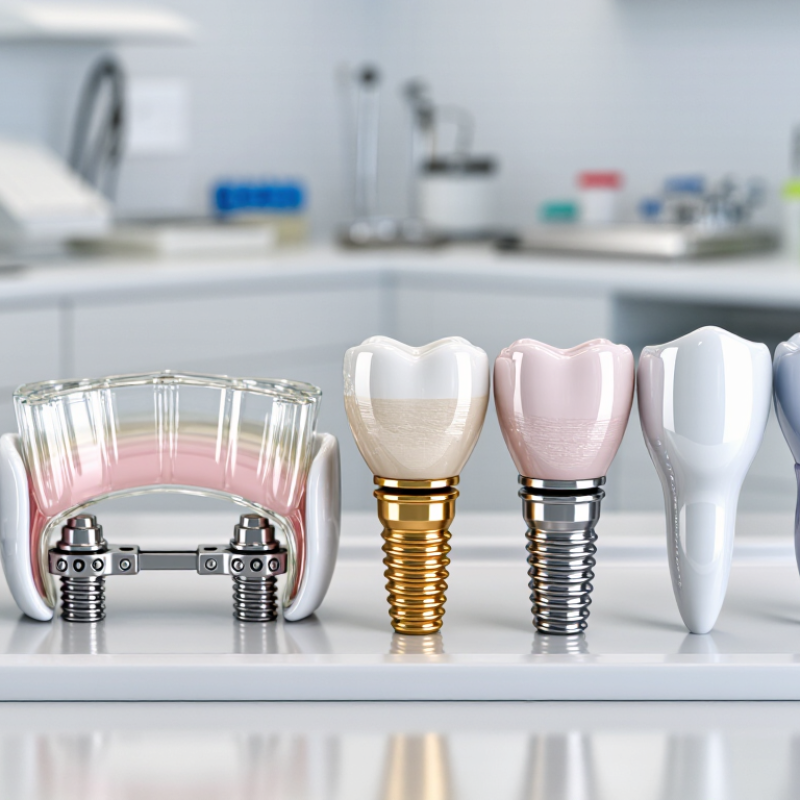
For global buyers, seven leading options deserve careful comparison: PFM, zirconia, lithium disilicate, and gold crowns; plus conventional fixed, cantilever, and Maryland bridges.
PFM crowns combine a strong metal core with tooth-colored porcelain. They remain reliable, though porcelain may chip at the biting edge.
Zirconia offers high fracture resistance and useful strength for molars. Yet poorly adjusted zirconia can feel harsh against opposing teeth.
Lithium disilicate provides excellent translucency for visible teeth. It needs more cautious thickness planning.
Gold crowns usually preserve tooth structure well and show strong long-term clinical performance, but appearance limits demand.
Bridge selection depends on support, space, and bite pressure.
Conventional fixed bridges use two prepared abutment teeth and suit many missing-tooth cases.
Cantilever bridges need only one support, but leverage increases biological and mechanical risks.
Maryland bridges use wings bonded behind adjacent teeth and often require minimal preparation. Bonding can fail when moisture control is poor.
Clinical judgment matters.
A 2021 systematic review in the Journal of Dentistry reported five-year survival near 90% for zirconia-based fixed dental prostheses, with outcomes differing by design. Reviews in Clinical Oral Investigations have reported five-year survival above 90% for many single all-ceramic crowns.
The American Dental Association also emphasizes fit, occlusion, material selection, and maintenance rather than material alone.
These figures are useful, not guarantees. Laboratory quality, cement choice, bruxism, hygiene, and follow-up can change results dramatically. ҡа
Evidence: Tooth-Supported Bridges Show ~94% 5-Year and ~89% 10-Year Survival
Choosing the best dental bridge or crown begins with evidence, not appearance alone. Pjetursson and colleagues reported about 93.8% survival for tooth-supported fixed dental prostheses after five years. Survival remained near 89.2% after ten years. These figures support the commonly cited estimate of approximately 94% five-year and 89% ten-year survival.
That is encouraging. It is not a guarantee. The review also reported biological and technical complications, including secondary caries, loss of pulp vitality, and framework or material fractures. A bridge may look excellent while a supporting tooth quietly develops decay beneath the margin. Clinical examination remains essential.
Material choice should match the patient’s bite, hygiene, gum condition, and available space. Systematic reviews, including Sailer et al. in the Journal of Dental Research, found high five-year survival for several single-crown materials, but complication rates differed. Tooth preparation, laboratory accuracy, and cementation can matter as much as the crown material. Buyers should request traceable manufacturing records, verified material specifications, and clear adjustment or remake terms. Price alone is weak evidence.
The data has limits. Studies often use different definitions of “survival,” follow-up periods, and patient groups. Global buyers should treat the 94% and 89% figures as useful benchmarks, not promises. A careful dentist must still assess each abutment, bite force, and cleaning routine before selecting a bridge or crown.
Material Standards: ISO 6872 Classes, FDA/CE Status, and ISO 13485 Quality
Global buyers comparing dental bridges and crowns should inspect material evidence before judging appearance or price. ISO 6872 classifies dental ceramic materials by strength and intended clinical use. The correct class depends on the restoration design, connector size, preparation, and location. A posterior bridge needs different evidence from a single anterior crown. Ask for the current standard edition and accredited test reports.
Do not treat FDA or CE status as simple quality labels. FDA clearance, registration, or listing can have different meanings in the United States. CE marking reflects conformity under the applicable European rules, often involving risk classification and conformity assessment. Verify the exact product, intended use, certificate scope, and issuing organization. A document for one ceramic blank may not cover a finished bridge.
ISO 13485 confirms a quality management system, not automatic clinical success. Buyers should review batch traceability, incoming-material checks, milling records, sintering parameters, and complaint procedures. Packaging should show lot numbers and storage conditions. Small details matter. Yet paperwork can still be incomplete. Test methods may not match real oral stresses, and certificates can expire or cover another facility. Request updated documents, sample fit checks, and written answers from qualified technical staff before approving a supplier.
Global Buying Matrix: Esthetics, Load, Cost, Warranty, and Customization Data
7 Best Dental Bridges and Crowns for Global Buyers
For global buyers, the best bridge or crown depends on clinical demands, not appearance alone. A useful buying matrix compares seven options: monolithic zirconia, layered zirconia, lithium disilicate, porcelain-fused-to-metal, full metal, composite resin, and temporary acrylic. Each option should be reviewed for esthetics, load tolerance, cost, warranty terms, and customization capacity. This is not a universal ranking. It is a practical shortlist.
Esthetics begins with shade matching, translucency, surface texture, and gum-line design. Natural daylight often reveals differences hidden under clinic lighting. Lithium disilicate can suit visible single crowns, while high-strength zirconia may better support posterior bridges. Full metal handles heavy loads but offers limited visual appeal. Layered materials provide detail, yet chipping remains a consideration. Digital scans, margin files, implant positions, and occlusion records improve customization. Small errors become expensive remakes.
Cost should include shipping, adjustments, remakes, taxes, and laboratory communication. A low quotation may exclude essential finishing steps. Warranty periods need clear coverage for fractures, debonding, fit problems, and manufacturing defects. They should also state exclusions and response times. Ask whether repairs are possible locally. That matters.
Experienced buyers request sample cases, material certificates, batch records, and documented quality checks. They also confirm delivery times across time zones. Custom staining, contact design, pontic shape, and connector dimensions may improve fit. Still, customization can increase cost and production risk. My judgment may be imperfect: cheaper units sometimes perform well, while premium materials can fail after poor planning. A licensed dental professional should confirm the final choice.
7 Best Dental Bridges & Crowns for Global Buyers
Scores use a 1–5 benchmark based on commonly reported material characteristics and global dental-market practice:
esthetics, load suitability, cost efficiency, typical warranty support, and customization potential. Warranty terms vary by
laboratory, clinic, and country, so the warranty score is an indicative market benchmark rather than a product guarantee.