How to Choose the Right Dental Implants for Your Needs?
Choosing the right dental implants is a critical decision for your oral health. According to the American Academy of Implant Dentistry, about 69% of adults aged 35 to 44 have lost at least one permanent tooth. This statistic highlights the growing need for effective restorative solutions like dental implants. Implants are designed to last a long time, often 10 to 20 years, depending on various factors.
When considering dental implants, it’s essential to evaluate factors such as the type of implant, surgical technique, and materials used. A recent study from the Journal of Dental Research indicated that titanium implants have an exceptionally high success rate of 95%. However, individual cases can vary. Personal habits, such as smoking, can negatively impact healing.
Ultimately, you should consult with qualified dental professionals. They can provide tailored advice based on your unique needs. Choosing the right implants demands careful consideration and expert guidance. Understanding the nuances can ensure a better outcome for your smile.
Understanding the Different Types of Dental Implants Available
When considering dental implants, it's essential to understand the different types available. The two main categories are endosteal and subperiosteal implants. Endosteal implants are placed directly into the jawbone. They are the most common type, providing a stable foundation. Patients often find them more comfortable as they integrate directly with bone.
Subperiosteal implants, on the other hand, sit on top of the jawbone but under the gum tissue. This option may be suitable for individuals with insufficient bone density. While they can be effective, they often require careful evaluation by your dental professional. The type of implant chosen can depend on several factors, including jawbone structure and personal health.
Each implant type has its pros and cons. Endosteal implants may require more time for healing. Subperiosteal implants could offer quicker availability, yet they may not last as long. It's crucial to consult with a qualified dentist to determine the best option for your needs. Ensuring proper research and professional advice will lead to a more informed choice.
Dental Implant Types and Their Success Rates
Evaluating Your Oral Health Prior to Dental Implant Procedures
Before diving into dental implant procedures, evaluating your oral health is crucial. A study published in the Journal of Dental Research highlights that about 15% of dental implant candidates have inadequate bone density. This poses significant challenges during surgery. Proper bone structure is vital for supporting implants. If your bone density is low, options like bone grafting may be necessary, but not all patients are suitable candidates for this procedure.
Tip: Get a comprehensive dental evaluation. This includes X-rays or 3D imaging to assess bone density and overall oral health. These scans help detect underlying issues early, saving time and resources later on.
Maintaining good oral hygiene is essential when considering dental implants. Research by the American Dental Association shows that individuals with periodontal disease have a 30% higher failure rate with implants. It’s important to address any existing gum issues before moving forward. Regular dental check-ups can identify these conditions and help secure a successful implant outcome.
Tip: Practice excellent oral care daily. This includes brushing twice a day and flossing to minimize the risk of infection and ensure long-term success. Always communicate with your dentist about your specific needs and concerns. Each case is unique, and personalized care is key to achieving the best results.
How to Choose the Right Dental Implants for Your Needs? - Evaluating Your Oral Health Prior to Dental Implant Procedures
| Criteria |
Description |
Importance Level |
Potential Risks |
| Bone Density |
Assessment of jawbone density to support implants |
High |
Implant failure if insufficient |
| Gum Health |
Condition of gums surrounding the implant site |
High |
Infection, implant loss |
| Medical History |
Past surgeries, chronic illnesses or medication |
Medium |
Complications during healing |
| Lifestyle Factors |
Smoking, alcohol consumption, and hygiene practices |
Medium |
Healing issues, implant failure |
| Type of Implant |
Choice of material and design for the implant |
High |
Compatibility issues, rejection |
Consulting with a Dental Specialist: What to Expect
When considering dental implants, consulting with a dental specialist is crucial. This expert will assess your individual needs and discuss the best options tailored for you. According to a report by the American Academy of Implant Dentistry, about 69% of adults aged 35-44 have lost at least one permanent tooth. This statistic emphasizes the need for informed decisions regarding dental implants.
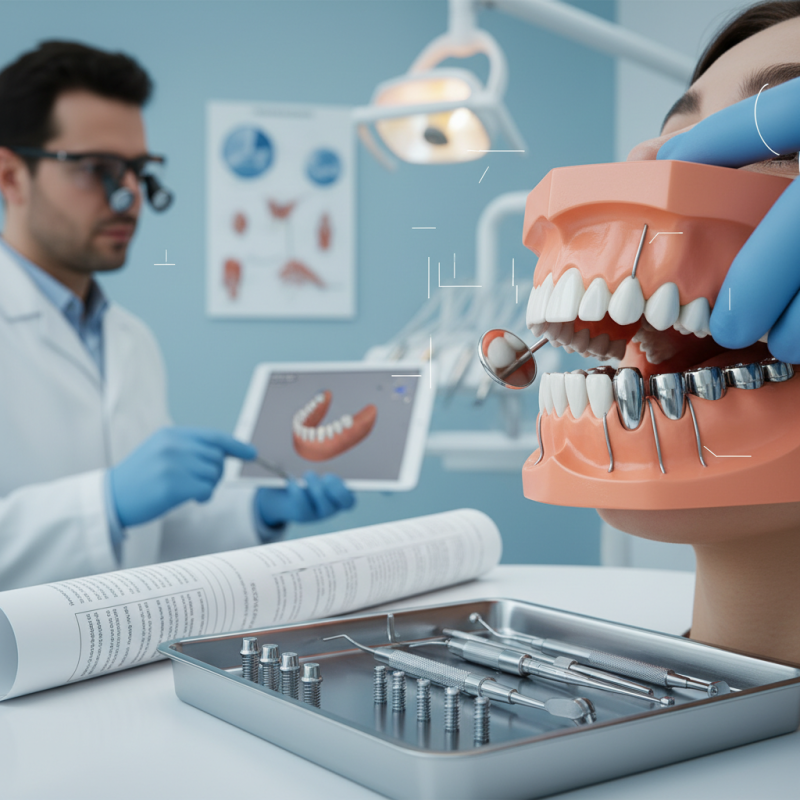
During your consultation, expect a thorough evaluation of your oral health. The specialist will likely use 3D imaging to analyze your jawbone structure. This technology helps in determining the most suitable implant type. A study published in the Journal of Oral Implantology noted that approximately 75% of implants were successful when properly aligned with the jawbone. It’s vital to understand that not all implants are the same; different materials and designs cater to specific conditions.
You may also discuss potential risks and side effects. It's important to remain realistic about outcomes. Research indicates that 10% of patients experience complications, such as infection. Understanding these possibilities can guide your expectations. The goal should be not just to restore aesthetics but to enhance functionality and long-term oral health. This conversation with your specialist lays the foundation for a successful implant journey.
Assessing Costs and Insurance Options for Dental Implants
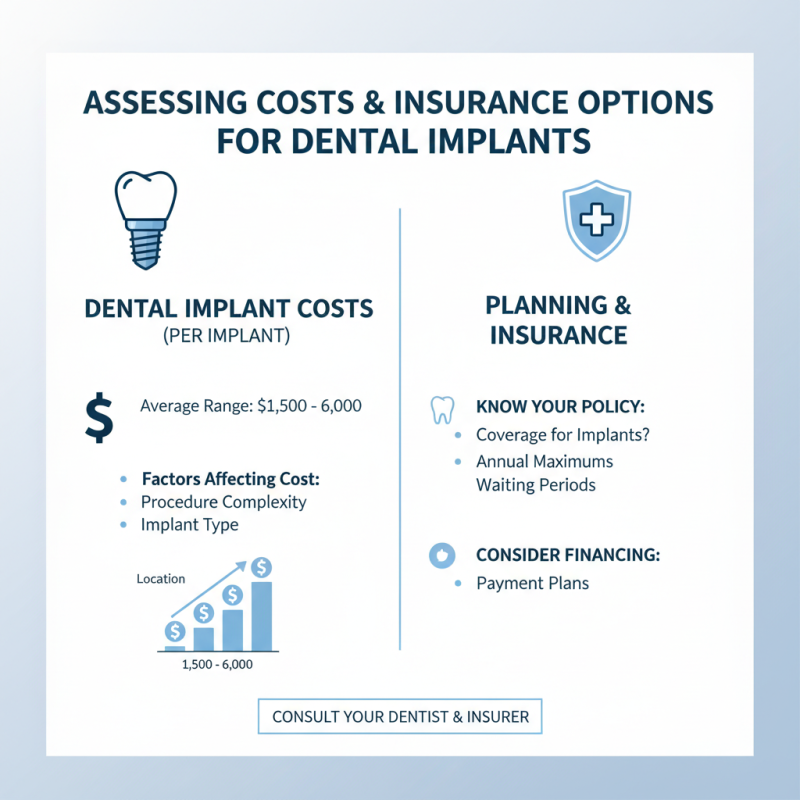
When considering dental implants, understanding the costs is essential. The price can vary significantly based on several factors, including location, the complexity of the procedure, and the type of implant. On average, patients may spend between $1,500 to $6,000 per implant. This range can be daunting, yet knowing the potential expenses aids in planning.
Insurance options also play a critical role in managing costs. Many dental insurance plans cover a portion of the expenses. However, they often do not cover the entire procedure. Some plans may only provide coverage for basic dental work, leaving implants as an out-of-pocket expense. It’s advisable to check with your insurance provider to understand your specific benefits and limitations.
Reflecting on dental care, patients may find themselves wondering about the long-term value of implants. While the upfront cost can be high, implants often last longer than dentures. They can improve oral health and enhance overall quality of life. Still, it's important to weigh these benefits against personal financial situations. Careful consideration ensures that the decision aligns with both dental needs and financial capability.
Aftercare and Maintenance Tips for Longevity of Dental Implants
Aftercare and maintenance are crucial for the longevity of dental implants. Research reveals that dental implants have a success rate of about 95% after ten years. However, proper aftercare can significantly enhance their lifespan. Routine oral hygiene should be a priority. Brushing twice daily and flossing is essential to prevent plaque buildup. Neglecting oral care can lead to peri-implantitis, a common inflammatory condition that threatens implant stability.
Regular dental check-ups are also key for maintaining implants. Every six months is recommended to assess your oral health and the condition of your implants. During these visits, your dentist can provide professional cleanings and monitor any potential issues before they escalate. Statistics show that patients who adhere to a regular maintenance schedule are 30% less likely to experience complications.
In addition to hygiene practices, lifestyle choices impact implant longevity. Smoking is a significant risk factor, associated with over 50% of implant failures. Reviewing dietary habits is equally important. A balanced diet rich in vitamins and minerals can support gum health and, consequently, implant stability. Reflecting on personal habits and being proactive about care can lead to better outcomes for dental implants, ultimately enhancing life quality.