Top 10 Benefits of Zirconia Bridge for Dental Professionals?
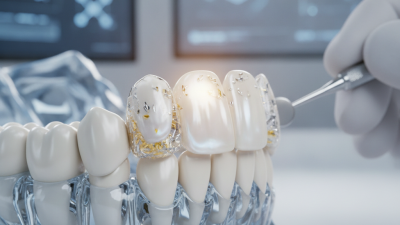
In the evolving world of dentistry, the Zirconia Bridge is a game-changer. Dr. James Thompson, a renowned dental implant specialist, states, "Zirconia Bridges offer unmatched aesthetics and durability for restorative work." This material's strength and appearance make it a favorite among dental professionals.
Zirconia’s biocompatibility is significant. Patients experience fewer allergic reactions and better overall comfort. Additionally, Zirconia Bridges do not require metal, reducing the risk of dark lines at the gum line. This aspect enhances aesthetics, making it perfect for anterior restorations.
While the benefits are substantial, some professionals point out the challenges. For instance, the initial cost of Zirconia may deter some practices. However, its longevity and performance often justify the investment. Balancing these factors is essential in choosing dental solutions. The Zirconia Bridge provides much promise, making it essential to consider all aspects before making decisions.

Advantages of Zirconia Bridges in Aesthetic Dentistry
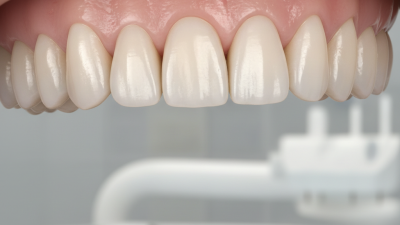
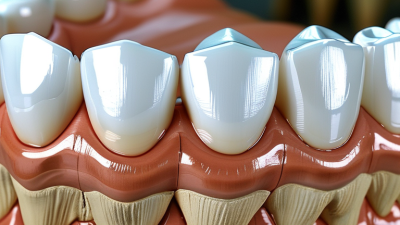
Zirconia bridges are becoming a popular choice in aesthetic dentistry. Dentists appreciate their natural appearance. The translucency of zirconia mimics real teeth effectively. This quality makes them ideal for smile makeovers. Patients often leave satisfied with the results.
The strength of zirconia is another crucial factor. It resists wear and chipping, ensuring longevity. This durability is appealing to dental professionals. They seek solutions that last. However, achieving the perfect shade can be challenging. Some dentists may struggle to match the color. Continuous learning and refinement in techniques can help master this aspect.
Additionally, zirconia bridges offer excellent biocompatibility. This minimizes the risk of allergic reactions. Many patients prefer metals-free restorations for this reason. However, the initial cost may be a concern for some. Overall, zirconia bridges provide significant advantages but still require ongoing development in techniques.
Top 10 Benefits of Zirconia Bridge for Dental Professionals
| Benefit |
Description |
| Aesthetic Appeal |
Zirconia bridges closely resemble natural teeth in color and translucency. |
| Biocompatibility |
Zirconia is highly biocompatible, reducing the risk of allergic reactions. |
| Durability |
Zirconia bridges are known for their strength and resistance to wear. |
| Less Tooth Reduction |
Requires minimal tooth reduction compared to metal-based restorations. |
| Ease of Fabrication |
Modern CAD/CAM technology allows for precise and efficient fabrication. |
| Stain Resistance |
Zirconia is highly resistant to staining and discoloration. |
| Thermal Insulation |
Good thermal insulation characteristics help maintain pulpal health. |
| Reduced Sensitivity |
Lower incidence of postoperative sensitivity compared to metal bridges. |
| Long-term Success |
Proven track record for long-term success and patient satisfaction. |
Durability and Longevity of Zirconia Dental Bridges
Zirconia dental bridges offer exceptional durability that sets them apart in modern dentistry. These bridges are known for their resistance to wear and tear. This quality ensures they can withstand daily stress from biting and chewing. Zirconia is also less prone to chipping compared to traditional materials. This resilience makes zirconia a solid choice for long-term dental solutions.
Longevity is another key benefit of zirconia bridges. When properly maintained, they can last many years, often exceeding a decade. Regular dental check-ups and good oral hygiene contribute significantly to their lifespan. However, it's important to note that, like any dental restoration, they are not indestructible. Over time, discoloration or slight wear can occur. Patients must be informed of potential issues, allowing for realistic expectations. Ultimately, the reliability of zirconia bridges can greatly enhance a patient’s quality of life, offering both aesthetic appeal and functional strength.
Biocompatibility of Zirconia Materials for Oral Health
Zirconia materials are gaining attention for their exceptional biocompatibility in dental applications. This property ensures minimal allergic reactions and irritations in patients. Zirconia is also highly durable, which is essential for long-lasting dental restorations. Its ability to resist wear makes it a reliable choice for vital oral health.
Dentists appreciate the aesthetic appeal of zirconia. It can mimic the translucency of natural teeth, creating a more natural look. Patients often prefer zirconia for its tooth-like appearance. However, there can be challenges related to its rigidity. Some dental professionals worry about the potential for fractures under extreme pressure.
Another area to reflect on is the bonding of zirconia to natural teeth. While it can be effective, achieving a strong bond requires meticulous technique. Improper preparation can lead to failure, highlighting the need for ongoing education. Balancing biocompatibility with technical skills is essential for optimal outcomes.
Ease of Fabrication and Customization of Zirconia Bridges
The ease of fabrication and customization of zirconia bridges makes them a favorite among dental professionals. These bridges are crafted using advanced milling technology, which allows for precise adjustments to be made. Dental experts appreciate how quickly they can modify designs to meet individual patient needs. The versatility of zirconia provides a range of shades and translucency levels, ensuring a natural appearance.
Customizing zirconia bridges not only improves aesthetics but also enhances patient comfort. However, the process isn’t always flawless. Getting the fit just right may require multiple adjustments. This can be time-consuming and might frustrate both dentists and patients. Nevertheless, the ability to create tailored solutions often outweighs these challenges. It presents an opportunity for dental professionals to refine their skills and deliver outstanding results.
Overall, the fabrication and customization of zirconia bridges is a crucial aspect of modern dentistry. While there can be hurdles in the process, continued practice and refinement can lead to exceptional patient outcomes. Balancing efficiency with the quality of care remains a constant challenge for many professionals in the field.
Cost-Effectiveness of Zirconia Solutions in Dental Practices
Zirconia bridges provide considerable cost-effectiveness for dental practices. Their durability means fewer replacements. A long-lasting solution can reduce costs associated with frequent repairs. For dental professionals, this results in significant savings over time. The materials used for zirconia are often less expensive than alternatives, which contributes to lower overall treatment costs for patients.
Moreover, producing zirconia bridges is efficient. Laboratories can streamline their processes, reducing both time and expenses. While initial costs can be higher, the return on investment is notable due to extended lifespan and fewer patient revisits. Dental practices can benefit from improved patient satisfaction as well. The aesthetic appeal of zirconia bridges leads to better patient outcomes.
However, the transition to zirconia solutions might present challenges. Training staff to handle new materials requires resources. Initially, there might be a learning curve for both technicians and practitioners. This adjustment period can cause temporary disruptions in workflow. Dental professionals must weigh these considerations carefully against the long-term benefits of zirconia bridges in their practice.