Top 10 Benefits of Zirconia Bridges for Dental Patients?
Zirconia bridges have emerged as a revolutionary option in restorative dentistry. Dr. Emily Thompson, a renowned implant specialist, emphasizes the importance of these bridges, stating, "Zirconia bridges not only enhance aesthetics but also provide unmatched durability." This innovative material offers several benefits that are reshaping patient care.
Zirconia bridges are known for their strength and natural appearance. They resist wear and tear from chewing, making them a reliable choice. Patients often appreciate the fact that these bridges can blend seamlessly with natural teeth. This aesthetic advantage plays a key role in patient confidence and satisfaction.
However, like any dental solution, zirconia bridges have their limitations. Not every patient may be a suitable candidate, and the upfront cost can be a consideration. It's essential for individuals to consult with their dental professionals about these factors. Ultimately, zirconia bridges stand out in modern dentistry for providing both function and beauty.
Overview of Zirconia Bridges in Dentistry
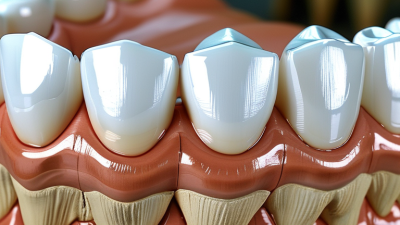
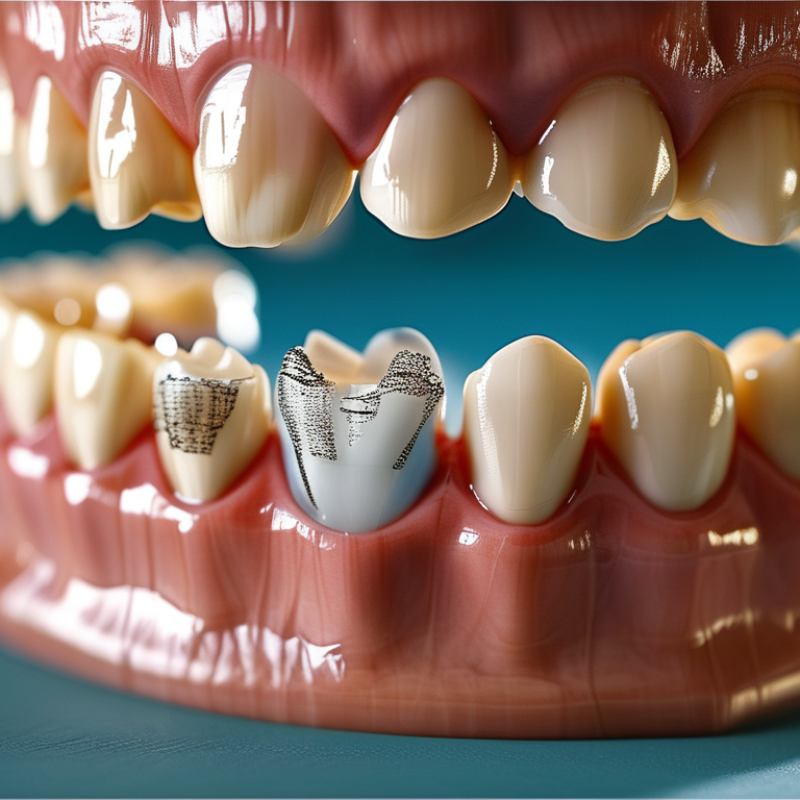
Zirconia bridges are gaining popularity in dentistry due to their durability and aesthetic appeal. Made from high-performance ceramics, these bridges provide a strong and natural-looking restoration for missing teeth. A study published in the *Journal of Prosthetic Dentistry* reports that zirconia bridges can last over ten years with proper care, showcasing their long-term effectiveness.
Dentists often advocate for zirconia due to its biocompatibility. This material is less likely to cause allergic reactions compared to metal-based options. The average acceptance rate in patients is over 95%, illustrating its reliability. Additionally, zirconia bridges require minimal tooth reduction, preserving more of the natural tooth structure. This is crucial as studies indicate that excessive tooth preparation can lead to complications down the line.
However, it is essential to consider potential drawbacks. Although zirconia is strong, its rigidity may lead to wear on opposing teeth. Dentists must practice careful occlusion adjustments to prevent this issue. Moreover, the cost of zirconia bridges can be higher than traditional materials, which may deter some patients. Ultimately, the decision to use zirconia bridges should involve thorough consultations between patients and dental professionals.
Durability and Longevity of Zirconia Bridges
Zirconia bridges are increasingly popular for their remarkable durability and longevity. They are crafted from a high-quality ceramic material that withstands daily wear and tear. Patients can enjoy biting and chewing without worrying about damage. The robustness of zirconia reduces the likelihood of chipping or cracking. This means fewer visits to the dentist for repairs.
Many patients appreciate how zirconia bridges can last over a decade with proper care. Daily hygiene plays a critical role. Regular brushing and flossing can enhance their lifespan. However, some people may underestimate the importance of oral care, leading to complications. Regular dental check-ups are also essential to monitor the condition of these bridges.
The aesthetics of zirconia are noteworthy too. They can closely resemble natural teeth in color and translucency. This feature helps improve the confidence of many patients. Nevertheless, achieving the perfect match may sometimes take multiple attempts. While zirconia bridges are a reliable option, patients must engage with their dental professionals to ensure the best outcomes. This collaborative effort can address any concerns early on, ultimately leading to a successful long-term solution.
Aesthetic Advantages of Zirconia Bridges for Natural Appearance
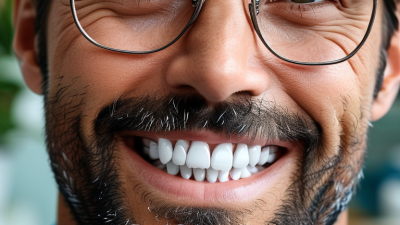
Zirconia bridges offer remarkable aesthetic advantages that significantly enhance the natural appearance of dental restorations. One key benefit is the superior translucency of zirconia, which mimics the look of natural teeth more effectively than many traditional materials. Reports indicate that over 80% of patients prefer the appearance of zirconia over metal-based alternatives due to its ability to blend seamlessly with surrounding teeth. This makes zirconia an excellent choice for anterior restorations, where aesthetics are critical.
The color stability of zirconia is another advantage. Unlike composite materials that can stain or discolor over time, zirconia maintains its original shade, ensuring a consistent look. According to a study published in the Journal of Dentistry, 90% of participants rated zirconia restorations as more aesthetically pleasing in long-term clinical evaluations. However, achieving the perfect match can be challenging. Dentists must carefully consider factors like shade and opacity during the initial consultation to ensure optimal results.
While zirconia provides exceptional aesthetic outcomes, some practitioners highlight the importance of skillful application. Improper fitting or insufficient contouring can lead to visible discrepancies, impacting the overall look. Continued advancements in technology aim to address these challenges. Yet, it's essential to remain vigilant about the nuances of each case, ensuring individualized treatment plans for the best results. The pursuit of a natural appearance in dental restorations should always prioritize both artistry and science.
Biocompatibility and Safety of Zirconia in Dental Applications
Zirconia is gaining popularity in dental applications due to its impressive biocompatibility. This material is metal-free, reducing the risk of allergic reactions. Research published in the "Journal of Dental Research" highlights that over 90% of patients report satisfaction with zirconia-based restorations. Its high biocompatibility stems from its ability to integrate well with human tissue, promoting a natural healing process.
Safety is another critical factor in dental choices. Zirconia's inert nature makes it resistant to oxidation, which is essential for long-term durability. A study from the International Journal of Oral Science emphasizes that zirconia forms a stable bond with surrounding bone and soft tissue. This stability contributes to reduced inflammation and faster recovery times compared to traditional materials. Despite these advantages, some patients experience sensitivity during the healing phase. An open dialogue with dental professionals can clarify expectations and challenges.
Although zirconia provides many benefits, it's crucial to address the limitations. Some studies indicate that while the risk of fracture is low, it still exists under extreme chewing forces. Also, adjustments might be necessary for a proper fit, which can take additional time in the clinical setting. Understanding both the powerful advantages and the potential challenges of zirconia bridges allows patients to make informed decisions.
Ease of Maintenance and Care for Zirconia Bridges
Zirconia bridges are gaining popularity among dental patients, particularly for their ease of maintenance.
Unlike traditional materials, zirconia is less porous. This characteristic significantly reduces the accumulation of plaque and bacteria, making daily care simpler.
A study published in the Journal of Prosthodontics found that patients with zirconia bridges experienced 30% less plaque formation compared to those with porcelain fused to metal bridges.
Daily cleaning of zirconia bridges involves standard brushing and flossing. Patients can use non-abrasive toothpaste to maintain their luster.
Importantly, 80% of patients reported that their zirconia bridges required minimal adjustments post-placement, according to data from the American Academy of Implant Dentistry.
This means less frequent dental visits for maintenance, which is a significant advantage for busy individuals.
However, some patients might worry about the hardness of zirconia. If they consume hard foods, they may experience wear on opposing teeth.
This risk emphasizes the need for professional guidance. Regular check-ups help monitor the condition of both the bridges and surrounding teeth.
Engaging with a dental professional for personalized care recommendations ensures optimal longevity of the zirconia bridges.