2026 Best Dental Implant Types for Global Buyers
For global buyers, choosing a Dental Implant is not simply a matter of comparing prices or materials. The right option depends on bone volume, gum health, bite forces, medical history, and the clinician’s treatment plan. Dr. Carl E. Misch, a leading implant dentistry educator, described a central treatment goal: “The goal of modern dentistry is to restore the patient to normal contour, function, comfort, esthetics, speech, and health.” That principle helps frame this guide to endosteal, subperiosteal, and zygomatic implants, along with titanium and zirconia systems. Each has a role. None suits everyone.
A titanium endosteal implant is commonly considered when the jawbone can support placement. Zirconia may appeal to buyers seeking a metal-free option, though long-term evidence and product choices vary. Subperiosteal and zygomatic designs may be discussed for selected cases with limited bone, but they require careful specialist assessment. A scan, not a product brochure, should guide that decision. Ask who will plan and place the implant, what follow-up is available, and how the quoted price covers components and care. Standards, product availability, and clinical expertise differ between markets. That matters.
This overview compares practical features, potential limitations, and questions to raise with a qualified dental professional. A tidy ranking can help. It cannot replace an individual examination, and that uncertainty deserves honesty.
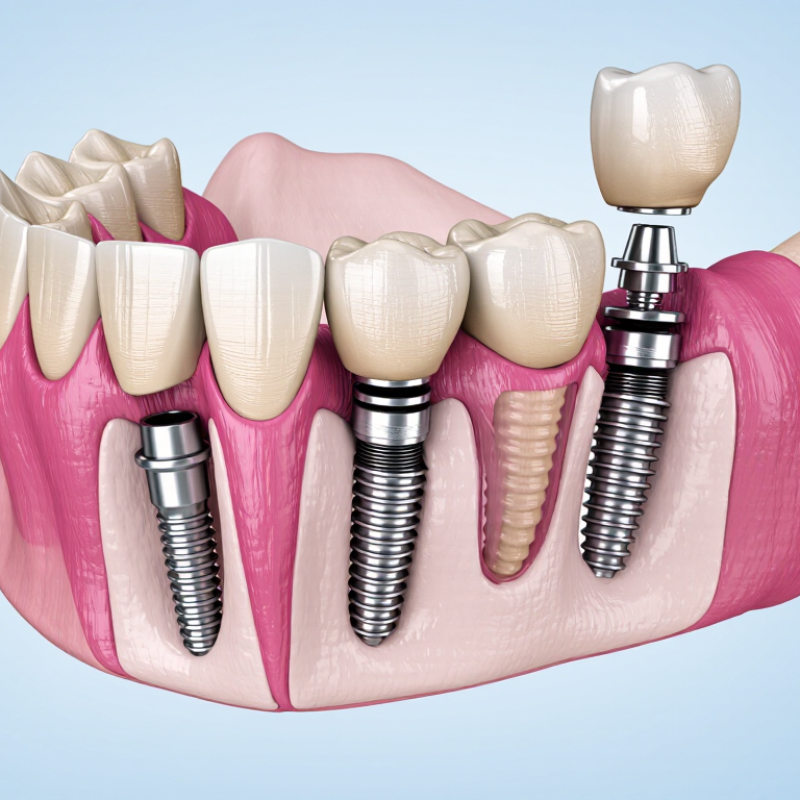
Classify Implant Types: Endosteal, Mini, Subperiosteal, and Zygomatic
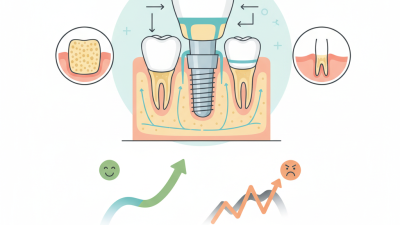
Dental implant types describe where an implant is supported, not which option is automatically best.
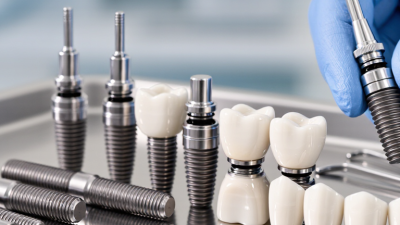
Endosteal implants sit in the jawbone and are commonly considered when bone volume and oral health support placement. Mini implants have a narrower diameter. They may suit selected cases with limited space, but they are not a guaranteed fix for inadequate bone.
Not a shortcut.
Subperiosteal implants rest on the jawbone beneath the gum tissue. They may be considered in specific situations where conventional placement is unsuitable, though availability and clinical practice vary. The categories look tidy on paper; treatment choices are messier.
Zygomatic implants anchor in the cheekbone and may be considered for severe bone loss in the upper jaw. Placement is more complex and requires careful assessment by an appropriately trained dental team. A three-dimensional scan can help evaluate bone anatomy and nearby structures. It does not replace a full examination. For global buyers comparing treatment plans, ask which type is proposed, why it fits the case, and what follow-up care is needed. Also check the clinician’s relevant training and how complications would be managed.
Price alone tells little about suitability.
A second opinion may be worthwhile when the reasoning is unclear.
Compare Bone Needs: Mini Implants Are Often Under 3 mm in Diameter
For global buyers comparing dental implant types, diameter is a useful starting point, but it does not tell the whole clinical story. Mini implants are often under 3 mm in diameter. Their narrow profile may suit selected cases with limited space or specific stabilization needs. Small is not simple. The right option depends on the patient’s anatomy, treatment goal, and bite forces.
Bone width and height matter more than a measurement on a product sheet. A dental professional may review scans, gum health, and nearby nerves before recommending an implant. Mini implants can have narrower placement requirements, but they are not appropriate for every patient or every tooth. Long-term loading, bone quality, and maintenance also need careful assessment. Even a seemingly minor detail, such as uneven chewing pressure, can affect treatment planning.
Tips: Ask what bone measurements support the recommendation, and whether other implant diameters were considered. Confirm how the implant will be restored and monitored over time. If answers feel rushed, request a clearer explanation before making a decision.
2026 Best Dental Implant Types for Global Buyers
Mini implants are generally less than 3 mm in diameter. The values shown are illustrative reference points within commonly used diameter categories, not treatment recommendations. Suitable implant size depends on individual bone anatomy, the restoration, and clinical assessment; diameter alone does not determine bone needs.
Check Long-Term Evidence: Jung et al. Reported 94.6% 10-Year Survival
For global buyers comparing dental implant types in 2026, long-term evidence matters more than a polished product sheet. Jung et al. reported 94.6% implant survival at 10 years. That figure is encouraging, but it is not a guarantee for every patient or implant design. Survival usually means an implant remained in place; it does not necessarily mean no complications, maintenance, or additional treatment occurred.
Read the study details before applying its result to a purchasing decision. Check the patient group, implant characteristics, follow-up rate, and definition of survival. A single percentage cannot tell you how well an implant suits a person with limited bone, gum disease, or a history of smoking. Ask a qualified dental professional to assess those factors and explain the evidence for the specific implant type under consideration. Small details matter: bone quality, cleaning access, and the fit of the final restoration can affect long-term care. The number is useful. It is not the whole story. Even strong studies have limits, and I would want to see how their findings compare with other long-term research before treating one result as decisive.
Match Loading Time to ITI Guidance: Immediate <1 Week; Early 1–2 Months
For global buyers comparing dental implant options, loading time matters as much as implant design. In ITI terminology, immediate loading means attaching a restoration within one week of implant placement. Early loading generally describes restoration after one week and before two months. These are timing categories, not promises of faster healing.
The right schedule depends on clinical findings. A dentist may assess bone quality, implant stability, bite forces, gum health, and the planned restoration. A stable implant in suitable bone may support earlier loading, but a molar exposed to heavy chewing may need more healing time. The difference is tangible: a temporary tooth may look complete while still requiring careful limits on chewing. Not every case qualifies.
Ask the treating clinician which loading protocol is proposed and why. Confirm whether the first restoration is temporary or definitive, and how follow-up visits will monitor healing. Imaging, examination, and medical history guide that decision; a product description alone cannot. Healing can be uneven. Even a carefully planned timeline may change if stability is lower than expected or discomfort persists. Early loading should not be treated as a shortcut around clinical review.
Screen Global Suppliers: Verify ISO 13485 and Market-Specific Regulatory Approval
For global buyers comparing dental implant types, supplier screening matters as much as implant design, surface treatment, and prosthetic compatibility. Request a current ISO 13485 certificate. Check its scope, covered manufacturing sites, expiry date, and issuing body. It signals a quality-management system, not approval of every product. Paperwork matters. Match the exact model and intended use against the destination market’s official device register. Approval can differ by product and market.
Tips: Request the certificate and market authorization, not just a brochure. Confirm that the manufacturer, product identifiers, and documents match. Check lot traceability, sterilization records, instructions for use, and complaint-handling contacts. Keep dated copies.
Before ordering, ask for evidence covering the specific implant configuration and sterile packaging. Verify labeling and instructions meet the destination market’s requirements. Ask how safety notices or recalls would reach your clinic. If a document gap is unclear, pause and consult the relevant regulator or a qualified compliance professional. It is easy to over-trust a polished certificate. Treat missing details as questions to resolve, not automatic proof of a problem.