Choosing Cosmetic Dental Veneers involves more than picking a bright shade from a sample chart. Veneers are thin coverings bonded to the front of teeth, commonly made from porcelain or tooth-colored composite. The right option depends on your enamel, gum health, bite, budget, and expectations—not just the smile you see in a photograph. Small details matter.
A careful consultation should include an examination of your teeth and gums, a discussion of your dental history, and clear explanations of benefits, limits, and alternatives. Ask how much enamel may need to be removed, how the proposed shape will affect your bite, and what repairs or maintenance might involve. Porcelain and composite differ in appearance, durability, cost, and repairability; neither is ideal for everyone. In some cases, whitening, orthodontic treatment, or bonding may be worth discussing before veneers. That possibility can be easy to overlook.
This guide outlines practical ways to compare materials, evaluate a dentist’s recommendations, and understand the steps from planning to placement. It also highlights questions to ask before agreeing to treatment, including whether your teeth are suitable and what results are realistic. Veneers can improve the appearance of selected teeth, but they do not prevent decay or replace routine dental care. A measured decision may take more than one appointment. That is sensible. A qualified dental professional can assess your individual needs and help you weigh the options without promising a perfect smile.
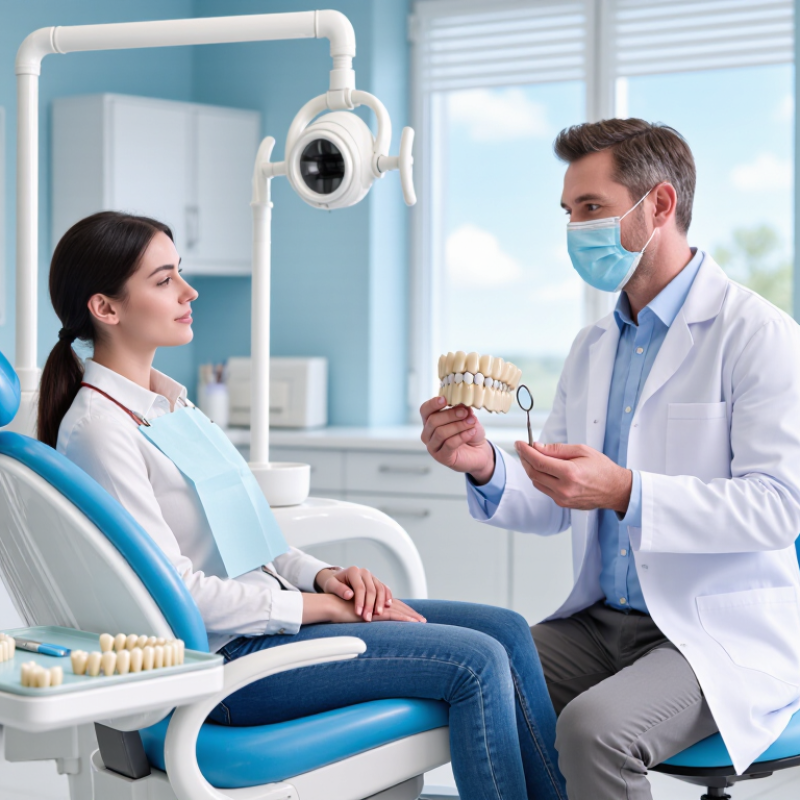
Before discussing veneers, describe what you hope to change. Is a front tooth chipped, slightly uneven, or darker than its neighbors? Do you want to adjust spacing or soften a pointed edge? Specific details help your dentist understand your priorities. “A brighter smile” is a useful start, but it may not explain what feels out of place. Look at recent photos in natural light and note what catches your eye. You may notice more than one concern.
Discuss what veneers can and cannot address with a licensed dentist who has examined your teeth and gums. Some concerns may have other treatment options, and veneer placement may involve removing a small amount of enamel. Ask how the proposed shape, shade, and size would suit your facial features. Also ask about care, possible repairs, and how your bite could affect the result. Goals can shift once you see a mock-up; that is not a failure, just useful feedback. Keep your preferences clear, but leave room for professional advice based on your oral health.
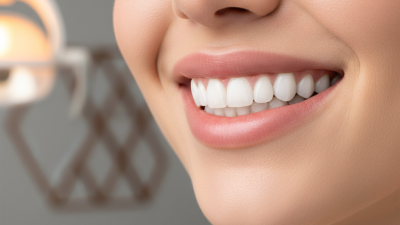
Porcelain veneers are valued for their translucency, which can resemble natural enamel under daylight. They resist staining better than composite resin, but they may chip and usually require careful, lasting tooth preparation. With good oral care, porcelain veneers often last around 10 to 15 years; individual results vary. A dentist should assess enamel, bite, and gum health before recommending them. Shade matters, too: very white veneers can look flat beside natural teeth.
Composite veneers are made from tooth-colored resin and can often be repaired more easily if chipped. They generally cost less upfront, though they may stain or wear sooner and need more frequent maintenance. Their appearance depends heavily on shaping and polishing, so ask to see examples of similar cases. A lower initial price is not always the lower long-term cost.
Compare written estimates, not just the price per tooth. Ask what the fee includes, how much enamel may be removed, and what repairs could cost. The right choice depends on your bite, habits, and budget. Clenching can shorten veneer life, so discuss it before treatment. A comparison chart can make the choice seem simpler than it is. A careful consultation may change your priorities.
How to Choose the Best Cosmetic Dental Veneers?
Check Your Oral Health and Suitability for Veneers
Before considering veneers, have a dentist assess your teeth, gums, bite, and enamel. Untreated cavities or gum inflammation should be addressed first. Bleeding when brushing, lingering sensitivity, or a loose filling are worth mentioning during your appointment. Your dentist may recommend an examination or X-rays to check areas that are not visible.
Tips: Ask whether your enamel is thick enough and whether your bite puts pressure on front teeth. If you grind your teeth at night, say so; grinding can damage veneers. Ask what tooth preparation is expected and whether alternatives, such as whitening or bonding, could meet your goals. Take your time.
A veneer may not suit every smile. Some options require removing a small amount of enamel, and that change is usually permanent. A very bright shade can look appealing on a screen, but it may not fit your natural teeth or facial features. Bring clear questions, and ask the dentist to explain likely benefits, limits, upkeep, and risks. There is no single best choice for everyone.
These daily oral-care targets support good oral health, but they do not determine whether veneers are suitable for you. A dentist should check your teeth, enamel, gums, bite, and any active decay or infection before treatment. Targets are based on general American Dental Association guidance.
Choosing veneers starts with evaluating the dentist, not comparing photos. Ask how often they perform veneer cases and request examples showing natural teeth, varied lighting, and follow-up results. A sound consultation includes an examination of your gums, bite, enamel, and existing restorations. It should also explain alternatives, such as whitening or orthodontic treatment, when appropriate. Be cautious if a plan is offered before your teeth are assessed.
Review the written treatment plan closely. It should identify which teeth need treatment, how much enamel may be removed, the materials proposed, and likely maintenance needs. Ask what could go wrong, including chips, sensitivity, or future replacement. A 2016 systematic review in the International Journal of Prosthodontics reported an estimated 95.5% 10-year survival rate for porcelain laminate veneers. That figure describes study outcomes, not a promise for each patient. Your bite, oral hygiene, and clinical circumstances matter. I still find it easy to overvalue a polished before-and-after photo.
Tips: Ask to see a mock-up or temporary preview, and discuss how the shade looks beside your natural teeth. Get expected costs, appointment stages, and follow-up arrangements in writing. If answers feel rushed, pause.
Before choosing cosmetic dental veneers, book a consultation with a licensed dentist. Discuss your goals, bite, gum health, and enamel. Bring photos that show the look you prefer, but ask what suits your teeth. Preparation varies: some teeth need little reshaping, while others require more. Ask about alternatives, costs, and likely maintenance before deciding. That detail matters.
Tips: Brush gently with a soft-bristled toothbrush, floss daily, and avoid biting ice or opening packages with your teeth. If you grind or clench, ask whether a night guard may help. Keep it practical.
After placement, watch for lingering sensitivity or an uneven bite during the first few days. Contact your dentist if either persists. Use non-abrasive toothpaste unless your dentist recommends otherwise. Regular checkups allow your dentist to inspect the veneer edges, gums, and signs of wear. Veneers do not protect nearby teeth from cavities. Dark drinks may stain natural teeth around them, making color differences more noticeable. It is easy to focus on shade and overlook upkeep; veneers are not maintenance-free.
| How to Choose the Best Cosmetic Dental Veneers? - Review Preparation, Aftercare, and Long-Term Maintenance | |||
|---|---|---|---|
| Stage | What to Review or Do | Typical Timing | Questions and Practical Notes |
| 1. Check oral health first | Have a dental examination for tooth decay, gum disease, bite problems, and existing restorations before discussing cosmetic treatment. | Before treatment planning | Active dental or gum problems may need treatment first. Veneers do not treat underlying disease. |
| 2. Compare suitable options | Discuss porcelain and composite veneers, as well as alternatives such as whitening, bonding, or orthodontic treatment. | During consultation | The best option depends on tooth condition, goals, bite, budget, and willingness to maintain or replace restorations. |
| 3. Understand tooth preparation | Ask how much enamel may be removed, whether the plan is reversible, and what temporary restorations or sensitivity to expect. | Before agreeing to treatment | Conventional veneers often require permanent enamel removal. Some minimal-preparation cases may require less, but are not suitable for everyone. |
| 4. Review the treatment plan | Review the proposed tooth shape, shade, number of teeth, bite assessment, expected results, fees, and possible risks. | Before preparation or fabrication | Ask to see relevant clinical examples and clarify how changes to the plan, repairs, or replacement would be handled. |
| 5. Follow immediate aftercare | Follow the dentist’s instructions, keep the area clean, and contact the dental office about persistent pain, a loose veneer, or a bite that feels uneven. | First days and weeks | Temporary sensitivity can occur. Avoid using the treated teeth to bite hard objects, especially while temporary veneers are in place. |
| 6. Maintain daily care | Brush twice daily with a soft-bristled toothbrush and fluoride toothpaste, clean between teeth daily, and attend routine dental checkups. | Ongoing | Veneers do not prevent cavities or gum disease in the surrounding natural teeth and tissues. |
| 7. Protect against damage | Avoid biting ice, pens, fingernails, or other hard objects. Ask about a custom night guard if you grind or clench your teeth. | Ongoing | Veneers can chip, crack, loosen, or wear. A guard may help reduce damage from grinding but does not eliminate all risk. |
| 8. Plan for long-term maintenance | Have veneers and the supporting teeth checked regularly; seek advice if you notice a change in fit, a chip, gum irritation, or discomfort. | At routine visits and as needed | Veneers are not permanent. Their lifespan varies with material, oral habits, bite, and care; repairs or replacement may eventually be needed. |