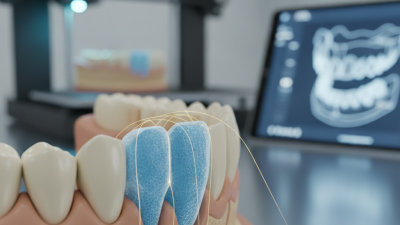
How to Choose the Best Digital Dentures for Your Needs?
In today's dental landscape, "Digital Dentures" are revolutionizing how we approach tooth replacement. These advanced prosthetics blend technology with user preferences for a customized fit. Choosing digital dentures can feel overwhelming, especially with so many options available. Each person's dental needs are unique, requiring careful consideration.
When selecting the best digital dentures, it's essential to understand your specific requirements. Factors like comfort, aesthetics, and functionality play a crucial role. Patients often report that digital dentures provide a more precise fit, leading to enhanced comfort and confidence. However, potential users may face challenges when trying to navigate various brands and materials.
It's vital to consult with a trusted dental professional. Their expertise can guide you in making an informed decision. Remember, not all digital dentures are created equal. Take your time to research and reflect on your preferences. The right choice can significantly impact your quality of life and overall satisfaction.
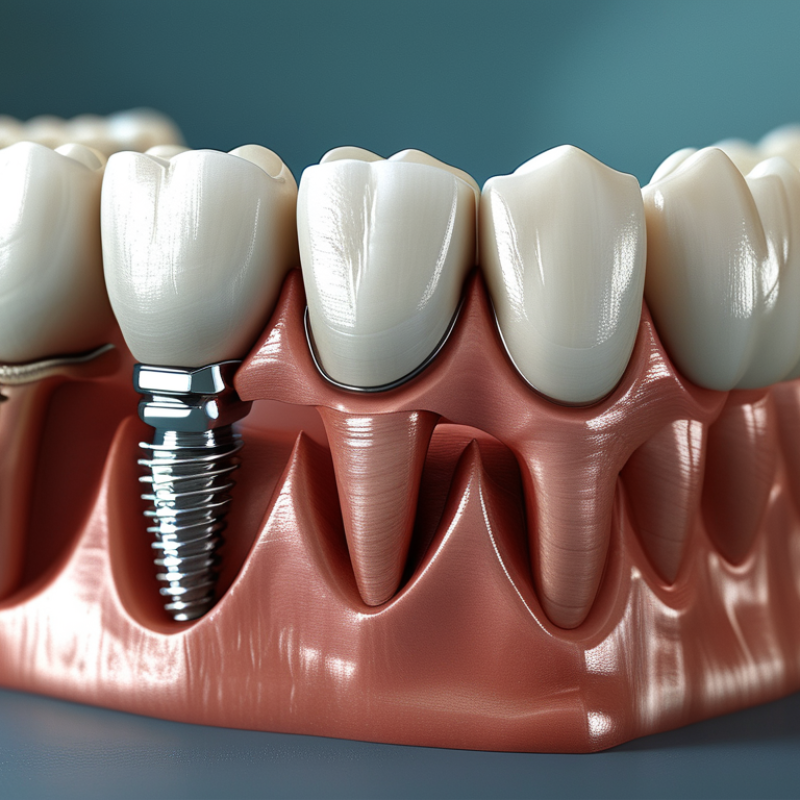
Understanding Digital Dentures: An Overview of Their Benefits
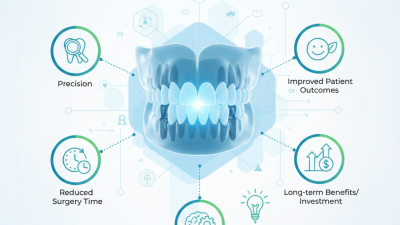
Digital dentures are transforming dental care with remarkable benefits. They offer precision that traditional methods often lack. Through advanced technology, these dentures are designed using 3D imaging. This ensures a perfect fit for each unique patient. Such accuracy minimizes discomfort and the need for adjustments.
Additionally, digital dentures are more efficient to produce. The entire process can be completed in less time compared to conventional methods. Patients appreciate this quicker turnaround.
However, while digital dentures are highly effective, some people may experience a learning curve.
Adjusting to new materials can be challenging for some. It is important to communicate with your dentist about any concerns.
The durability of digital dentures is also noteworthy. They can withstand daily wear better than traditional options. Yet, they still require proper care and regular check-ups. Regular maintenance will ensure they last longer.
Those choosing digital dentures should weigh individual needs against these benefits. Each person’s experience may vary, and seeking professional advice is essential.
Key Factors to Consider When Selecting Digital Dentures for You
Choosing the right digital dentures involves several key factors. First, consider comfort. Dentures should fit snugly without causing irritation. Poor fit can lead to sores and discomfort. An accurate impression of your gums is crucial. This technology can help achieve that.
Next, think about aesthetics. Digital dentures can be customized for a natural appearance. Look for options that replicate the color and shape of your natural teeth. This personalization can boost your confidence when you smile.
You should also evaluate the durability of the materials used. High-quality options can withstand daily use. Cheaper alternatives may wear down quickly. This could result in additional costs over time. Reflect on your lifestyle and eating habits. They can heavily influence your choice of dentures. Always consult with a professional for guidance tailored to your situation.
Comparing Traditional vs. Digital Dentures: Statistics and Insights
When considering dentures, a comparison between traditional and digital options is essential. Recent studies show that over 70% of patients prefer digital dentures for their comfort and aesthetics. Digital dentures typically offer a more precise fit. This is primarily due to advanced imaging and manufacturing technologies that enable customized designs. Patients receive their new smiles faster, often within a week.
Statistically, digital dentures can reduce adjustment visits by 50%. This efficiency is a significant benefit for patients. However, some concerns persist regarding their long-term durability and effectiveness in various wear conditions. Many dental professionals feel that while digital solutions are promising, they may still lack the tried-and-true reliability of traditional methods.
Furthermore, around 25% of users noted some initial challenges with adaptation when switching to digital options. These insights highlight the importance of individual needs and preferences. In the end, patients must consult experienced dental professionals to find the right fit for their lifestyle and requirements.
The Role of Technology in Customizing Digital Dentures for Fit
The advancement of technology has transformed the way we create digital dentures. Customization is now more precise than ever. 3D printing and digital imaging allow for a better fit and improved comfort. Reports indicate that 85% of patients prefer digitally crafted dentures over traditional options due to the enhanced accuracy in fit.
Virtual fitting tools are essential in this process. They analyze your mouth structure with incredible precision. This leads to custom dentures that truly reflect your needs. Studies show that a well-fitted denture can improve chewing efficiency by up to 50%. Patients often report higher satisfaction levels when their dentures fit correctly.
Tip: Always discuss your unique dental situation with your provider. It’s important to share your concerns and expectations. This dialogue can significantly impact the final product.
Keep in mind that not every customization is flawless. There is often a need for adjustments after the initial fitting. Don't hesitate to express issues you encounter. Your comfort matters, and ongoing communication with your dentist is crucial.
Patient Satisfaction Rates: Choosing the Right Digital Dentures for Comfort
Selecting digital dentures that prioritize patient comfort is vital. Comfort can significantly impact how users feel about their dentures. It's essential to consider the fit. Ill-fitting dentures can lead to sore gums and discomfort. Patients often report frustration when their dentures shift during speaking or eating.
Material choice also influences satisfaction rates. Lightweight materials can enhance comfort but may sacrifice durability. Reflecting on personal experiences with discomfort can guide users in making better choices. Take the time to ask questions about materials and designs. Some patients may prefer softer liners, as they can alleviate pressure points.
Patient reviews are invaluable. They provide insight into the real-world comfort of digital dentures. However, beware of overly positive or negative feedback. Look for patterns in reviews to gauge overall satisfaction. Ultimately, comfort is subjective, and what works for one person may not work for another. Learning from past experiences can lead to better decisions in selecting digital dentures.