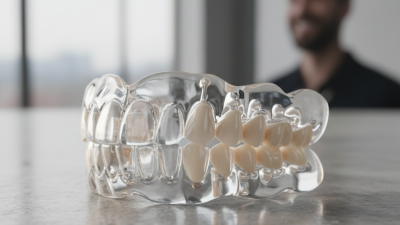
Buying Dental Porcelain wholesale can improve laboratory efficiency, but the lowest price rarely tells the whole story. Material consistency, shade accuracy, packaging, and supplier support all affect daily clinical work. A box may look excellent under warehouse lighting, yet appear too gray beside a patient’s natural teeth. Small differences matter.
This guide presents ten practical tips for evaluating wholesale Dental Porcelain with greater confidence. It considers product composition, translucency, firing behavior, batch stability, and documentation. It also highlights supplier communication, sample testing, minimum order quantities, and delivery reliability. These details can protect both budgets and restoration quality.
Real experience matters here. A dental technician may notice cracking only after several firing cycles. That discovery can make an apparently cheap order expensive. I have also seen shade samples perform differently across furnaces, so testing remains essential. No supplier is perfect, and no checklist removes every risk. Reflection is necessary.
Reliable purchasing should involve qualified dental professionals, documented specifications, and careful comparison. Ask for technical data, traceability information, and clear storage instructions. Confirm that products meet applicable regional requirements before ordering. Professional judgment still matters.
Wholesale buying is not merely a volume transaction. It is a quality decision. The following tips help laboratories and clinics assess value beyond the invoice, while recognizing that real-world results may vary between cases, technicians, equipment, and suppliers.
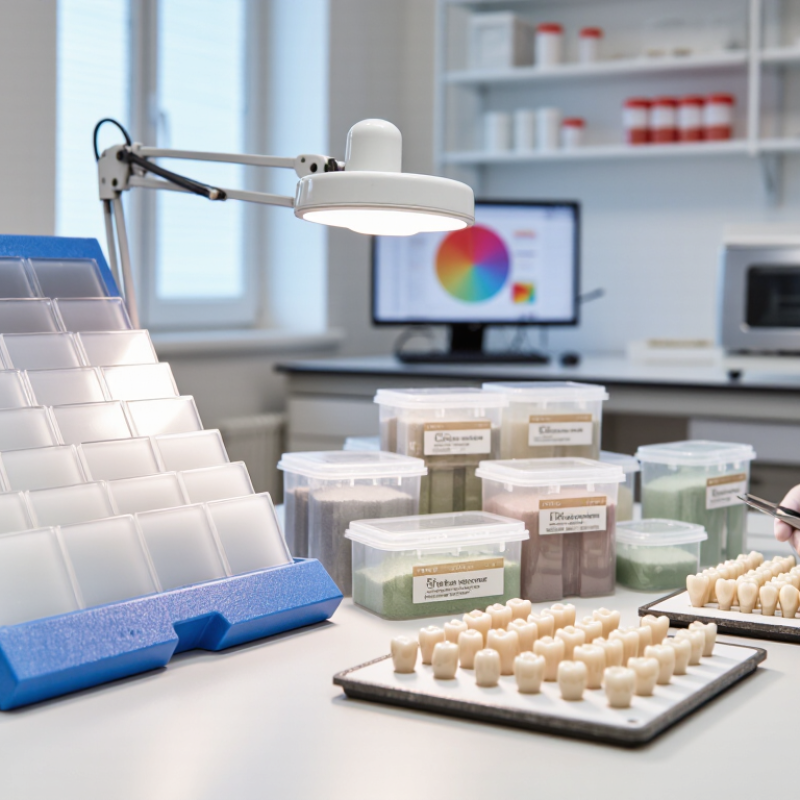
Before buying dental porcelain wholesale, define the work your clinic and laboratory actually perform. List common restorations, including anterior veneers, posterior crowns, bridges, and implant-supported cases. Each indication may require different strength, translucency, firing behavior, and shade control. Do not order a large carton because the unit price looks attractive. That can be expensive.
Ask the laboratory technician to record furnace type, firing cycles, pressing or layering methods, and CAD/CAM workflow. Include target shades, powder or block format, particle size, and compatible accessories in the specification. Photograph a typical preparation and note margin depth, reduction space, and cement preference. Small details matter. A material suited to thin anterior work may disappoint in a heavy-load posterior case. Clinical judgment should meet laboratory evidence, not assumptions.
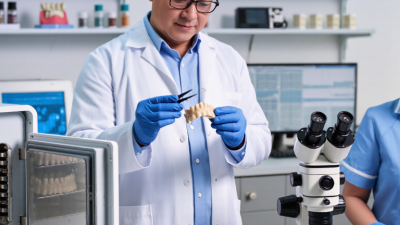
Request technical data, safety documentation, lot numbers, shelf-life information, and representative samples before committing to volume. Run a controlled trial with familiar cases, then compare fit, shade after firing, surface finish, and adjustment time. Record failures honestly. A slightly longer firing cycle or unexpected shade shift can disrupt a full day of appointments. Review storage temperature, moisture exposure, training needs, and replacement procedures with the supplier. Planning should leave room for error; laboratories are human, and specifications are not always followed perfectly. A smaller first order may protect consistency while revealing whether the material fits real workflows.
Flexural strength is one of the key laboratory specifications to review before purchasing dental ceramic materials. The ranges below are commonly reported approximate values and can vary according to composition, processing method, specimen preparation, and test standard.
Use these ranges as an initial screening tool when matching ceramic materials to clinical indications. Before placing a wholesale order, request the supplier’s current ISO 6872 test documentation, processing instructions, shade system, minimum thickness guidance, and lot-specific quality information.
Reference framework: ISO 6872 Dentistry — Ceramic Materials and commonly reported dental materials research ranges. Values shown are approximate and are not product specifications.
When buying dental porcelain wholesale, compare the ceramic type before comparing price. ISO 6872:2015 classifies ceramics by strength and clinical use, helping buyers match material to crowns, veneers, or bridges. High-strength zirconia suits heavy posterior loading, while lithium disilicate often supports lifelike anterior restorations. The choice is not purely cosmetic. WHO’s Global Oral Health Status Report 2022 estimates that 2.5 billion people have untreated caries, increasing demand for durable restorative materials.
Tip: Ask suppliers for ISO classification, flexural-strength results, and batch traceability.
Shade selection needs practical testing. Review the shade range under neutral daylight, not only under a dental lamp. Request sample tabs, because digital images can distort translucency and saturation. Compare cervical, body, and incisal effects separately. A single “A1” label may look different across ceramic systems.
Tip: Test the porcelain beside common dentin and enamel shades before placing a large order.
Material compatibility can prevent expensive remakes. Check the recommended framework, firing temperature, coefficient of thermal expansion, and veneering protocol. These details matter when porcelain is layered over zirconia or metal. The International Organization for Standardization emphasizes performance testing, but laboratory handling still affects results. Ask for technical data sheets and independent test references. I would not trust a low price without them. Wholesale packaging also deserves inspection; damaged powder, moisture exposure, or unclear lot numbers can compromise consistency. A small trial order is wiser, although not always convenient.
Buying dental porcelain wholesale should begin with supplier quality, not the lowest quotation. According to the WHO Global Oral Health Status Report 2022, nearly 3.5 billion people experience oral diseases worldwide. That scale increases demand, but it also increases quality risks. Ask for the manufacturer’s quality-management certificate, usually ISO 13485, and verify its issuing body. Do not accept a scanned certificate alone. Check the registration number and validity date.
Product samples reveal details that catalogs hide. Request identical batches before placing a large order. Inspect shade consistency, surface smoothness, edge integrity, and packaging protection. Then ask for technical data covering flexural strength, thermal compatibility, and recommended firing conditions. ISO 6872:2015 provides a useful framework for evaluating dental ceramic performance. Photos are insufficient. Test before scaling.
Supplier documentation should also match the actual product. Compare the certificate name, factory address, material code, and sample label. The U.S. CDC’s 2017–March 2020 NHANES data reported untreated cavities among 25.9% of adults aged 20–64, highlighting the continuing need for dependable restorative materials. Still, no checklist is perfect. A supplier may pass a document review and fail during repeated production. I would request a small pilot order, record defects, and review replacement terms in writing. Ask for evidence. Keep the records.
10 Tips for Buying Dental Porcelain Wholesale
Calculate Wholesale Prices, Minimum Orders, and Shipping Costs
Start with the landed cost, not the catalog price. Request a written quote showing unit price, packaging, customization, and payment terms. Compare identical specifications, including shade, translucency, dimensions, and firing requirements. A lower price may reflect thinner packaging or fewer quality checks. Details matter.
Calculate the true unit cost with this formula: product total plus preparation, freight, insurance, duties, and local fees, divided by sellable units. Ask whether shipping is charged by actual weight or volume. Porcelain can require protective cartons, so volumetric weight may be surprisingly high. Confirm the currency and quote validity period. Do not guess.
Minimum order quantities deserve careful review. A supplier may set separate minimums for standard items, custom shades, and private packaging. Request a sample order before committing to a large batch. Record breakage, shade consistency, surface texture, and delivery time. A small trial can expose problems that spreadsheets miss. I once treated a low MOQ as an advantage, but the per-unit freight made it uneconomical.
Ask for production lead time, inspection procedures, replacement terms, and export documents. For international purchases, verify applicable dental-product requirements in your destination market. Choose shipping based on urgency: air freight is faster, while ocean freight may reduce costs for heavy cartons. Obtain at least two freight estimates. Include a contingency for damaged units, delays, and currency changes. A perfect forecast is unlikely.
| No. | Buying Tip | Example Product and Specification | Typical MOQ | Estimated Wholesale Price | Merchandise Cost at MOQ | Estimated Shipping Cost | Estimated Landed Total | Landed Cost per Unit | Calculation and Checkpoint |
|---|---|---|---|---|---|---|---|---|---|
| 1 | Confirm the porcelain type before comparing prices. | Feldspathic porcelain powder, 1 kg moisture-resistant packaging | 10 kg | US$120–220/kg | US$1,200–2,200 | US$45–90 | US$1,245–2,290 | US$124.50–229.00/kg | Price comparison is valid only when shade range, particle size, packaging, and intended firing temperature are equivalent. |
| 2 | Ask whether the quoted price is per item, box, or kilogram. | Pressable ceramic ingots, 3 g each, 10 pieces per box | 5 boxes / 50 ingots | US$9–18/ingot | US$450–900 | US$35–75 | US$485–975 | US$9.70–19.50/ingot | Five boxes × 10 ingots = 50 ingots. Multiply the unit price by 50, then add shipping and applicable import charges. |
| 3 | Request a written MOQ for every shade and size. | CAD/CAM ceramic blocks, 14 × 18 × 12 mm, standard shades | 20 blocks per shade | US$14–28/block | US$280–560 | US$30–65 | US$310–625 | US$15.50–31.25/block | A mixed-color order may still be subject to a separate MOQ for each shade. Confirm whether mixed cartons are permitted. |
| 4 | Calculate the break-even quantity before accepting a bulk discount. | Dental porcelain powder, 25 kg order | 10 kg | US$105–190/kg | US$2,625–4,750 | US$70–130 | US$2,695–4,880 | US$107.80–195.20/kg | The lower unit price is worthwhile only if the added inventory, storage, expiry risk, and shipping cost do not exceed the discount. |
| 5 | Separate product cost from freight, insurance, and import charges. | Porcelain layering kit, 12 colors, 120 g total | 10 kits | US$95–165/kit | US$950–1,650 | US$55–110 | US$1,005–1,760 | US$100.50–176.00/kit | The landed total shown excludes destination taxes, customs brokerage, and duties because these vary by country and tariff classification. |
| 6 | Compare shipping methods using both cost and transit time. | Small 8 kg shipment of porcelain powder and accessories | 1 carton | US$650–1,100/carton | US$650–1,100 | US$65–150 express US$35–85 air economy |
US$715–1,250 | US$89.38–156.25/kg | Express delivery is commonly faster but more expensive. Ask for chargeable weight, delivery time, tracking, and insurance terms. |
| 7 | Check packaging requirements for fragile ceramic materials. | Pressable ceramic ingots, 100 pieces with reinforced inner packaging | 100 ingots | US$8–16/ingot | US$800–1,600 | US$60–125 | US$860–1,725 | US$8.60–17.25/ingot | Request impact-resistant packaging, carton dimensions, maximum stacking limits, and a documented process for damaged goods. |
| 8 | Verify technical documents before placing a large order. | Ceramic blocks with shade guide, batch number, instructions, and safety data | 50 blocks | US$12–24/block | US$600–1,200 | US$45–95 | US$645–1,295 | US$12.90–25.90/block | Confirm batch traceability, shade consistency, recommended firing parameters, storage conditions, and applicable regulatory documents. |
| 9 | Use a sample order to test quality and yield. | Trial order of porcelain powder, 5 kg, three common shades | 5 kg | US$135–235/kg | US$675–1,175 | US$40–85 | US$715–1,260 | US$143.00–252.00/kg | Evaluate shade accuracy, working properties, firing results, contamination, breakage, and usable yield before moving to a lower bulk price. |
| 10 | Calculate the final landed price before approving the purchase. | Mixed wholesale order: 10 kg powder plus 50 ceramic blocks | 1 mixed shipment | US$1,700–3,100/order | US$1,700–3,100 | US$90–180 | US$1,790–3,280 | Depends on item mix | Use: landed cost = merchandise cost + shipping + insurance + duties + customs fees + local delivery. Compare this figure with your target resale margin. |
Note: All prices are indicative wholesale planning ranges in U.S. dollars for generic dental porcelain and ceramic materials. Actual quotes depend on material composition, shade, quantity, packaging, destination, Incoterms, season, taxes, duties, and shipping method. Always confirm the current quotation, MOQ, product documentation, and landed charges before ordering.
Buying dental porcelain wholesale requires more than comparing prices. Confirm every purchase term before approving an order. Specify shade range, particle size, batch consistency, minimum quantity, lead time, payment schedule, and shipping responsibilities. Written details prevent costly misunderstandings later.
Ask for current technical documents, safety information, quality certificates, and representative samples. Compare the sample under normal laboratory lighting, then test it through your actual firing cycle. Small differences in translucency or shrinkage can affect final restorations. Do not rely only on photographs. They can hide variation.
Storage conditions deserve equal attention. Keep porcelain sealed, dry, clean, and away from strong temperature changes. Label each lot with its arrival date and use older stock first. Your supplier should explain recommended humidity limits, shelf life, complaint procedures, and replacement policies. Fast technical support matters when a firing result suddenly changes. Request a named contact and a realistic response time. A supplier who offers training notes or troubleshooting guidance adds practical value.
Even a careful checklist can miss something. I would recheck the first shipment after thirty days, especially if several technicians use the material. Record firing results, packaging condition, and any shade concerns. This extra step feels slow, but it reveals problems before a larger order repeats them. Availability is useful, but dependable support protects workflow.