Leave Your Message

China Top 10 Dental Porcelain Manufacturers?

China’s dental manufacturing sector has become a serious force in restorative dentistry. This article introduces ten leading Dental Porcelain manufacturers serving laboratories, clinics, and international distributors.

The selection considers product consistency, shade accuracy, flexural strength, digital compatibility, production capacity, and technical support. It also examines zirconia porcelain systems, lithium disilicate options, veneering ceramics, and CAD/CAM blocks. These details matter when a crown must match a patient’s natural incisors under daylight.

Dr. Pascal Magne, a respected restorative dentistry expert, has said, “Biomimetics is not a technique; it is a philosophy.” His statement reflects the real purpose of Dental Porcelain. Good materials should imitate natural tooth structure, not simply appear white.

Quality is more than a polished catalogue.

Manufacturers may claim similar performance, yet their results can differ between batches. Firing temperature, powder formulation, color stability, and operator training all influence the final restoration. This is where buyers need evidence, not attractive promises.

The companies discussed here are assessed through a practical lens. Certifications, laboratory feedback, testing data, export experience, and after-sales communication receive close attention. Price is included, but it does not control the ranking.

There is no perfect manufacturer for every laboratory. A small dental studio may prefer flexible customization. A high-volume facility may value stable delivery and automated workflows. Some suppliers still provide limited technical documentation. That weakness deserves attention.

This guide is therefore a starting point, not a final verdict. Readers should request samples, review current certifications, and test compatibility with their own equipment before making commercial decisions.
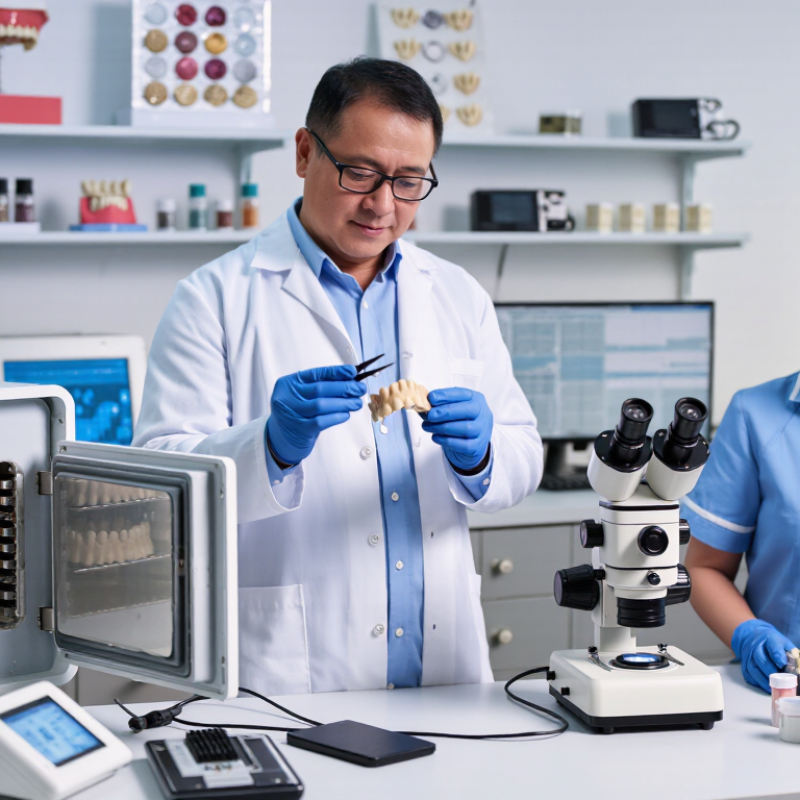
China Top 10 Dental Porcelain Manufacturers?

Definition and Role of Dental Porcelain in Modern Dentistry

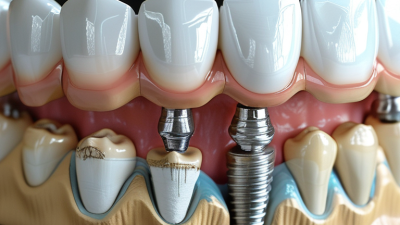
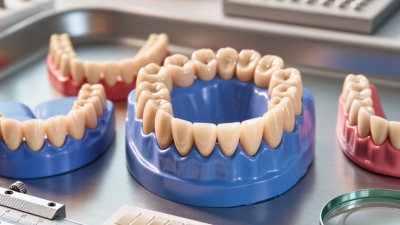
Dental porcelain is a tooth-colored ceramic used for crowns, veneers, bridges, and selected implant restorations. It is not simply white ceramic. Its value comes from light transmission, surface texture, strength, and biological compatibility. A skilled technician can layer different ceramic shades to imitate enamel, dentin, and the slightly darker incisal edge.

In modern dentistry, porcelain helps restore chewing function while preserving a natural appearance. Digital scans improve communication between the clinic and laboratory, but technology cannot replace clinical judgment. The dentist must check bite pressure, gum health, preparation design, and the patient’s habits. A porcelain crown may look excellent on a model yet feel uncomfortable in the mouth. That detail is easy to underestimate. I have also found that shade matching can change under different lighting, so one photograph is not enough. Careful manufacturers should provide consistent material data, quality control, and traceable production information.

Tips: Ask how the material is tested, how shades are selected, and whether the laboratory has experience with similar cases. Request photographs taken under natural and dental lighting. Discuss night grinding honestly. A beautiful restoration still needs correct fit, polishing, and regular professional review. Mistakes can happen, especially when communication is rushed.
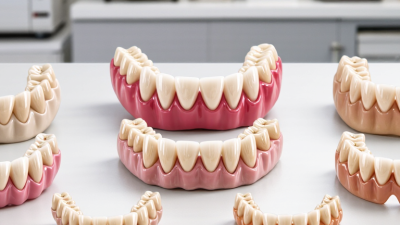

Key Standards for Evaluating Chinese Dental Porcelain Manufacturers

China Top 10 Dental Porcelain Manufacturers?

Evaluating Chinese dental porcelain manufacturers requires more than comparing prices or factory photographs. The WHO Global Oral Health Status Report 2022 estimates that untreated permanent-tooth caries affects about 2.5 billion people worldwide. Demand is substantial, but quality must remain measurable. Review ISO 6872 test results for flexural strength, chemical solubility, and classification. Ask whether tests cover the exact porcelain formulation and production batch.

A reliable factory should provide ISO 13485 certification, documented quality procedures, and clear traceability. Check lot numbers, raw-material certificates, shade consistency records, and firing instructions. Small details matter. Request samples from different batches, then compare color after firing, surface gloss, edge chipping, and fit on the same laboratory model. A certificate alone is not enough. I would also examine complaint records and corrective-action procedures, where available.

Communication is another practical test. Technical staff should explain coefficient of thermal expansion, recommended firing cycles, and compatibility with common frameworks without vague promises. Independent laboratory reports are stronger than internal claims. However, even a careful evaluation has limits. Sample testing may not reveal long-term clinical performance. Buyers should therefore review updated data, audit production controls, and avoid rankings based only on online visibility. The “top ten” may change when evidence changes.

China Top 10 Dental Porcelain Manufacturers? Key Standards for Evaluating Chinese Dental Porcelain Manufacturers

ISO 6872 classifies dental ceramic materials by flexural-strength thresholds. Buyers can use the applicable class, together with ISO certification, batch traceability, chemical solubility testing, shade consistency, and quality-control records, when evaluating manufacturers.

The values show the lower flexural-strength threshold for each ISO 6872 class in MPa; they are not manufacturer rankings or performance claims. Always verify the current standard edition and product-specific test reports.

Top 10 Dental Porcelain Manufacturers in China

China’s top 10 dental porcelain manufacturers should be judged by evidence, not marketing claims. The World Health Organization’s Global Oral Health Status Report (2022) estimates that nearly 3.5 billion people live with oral diseases worldwide. This demand increases pressure on laboratories to choose stable ceramic materials.

A practical Top 10 shortlist should examine ISO 13485 certification, batch traceability, flexural strength, shade consistency, and firing performance. It should also review zirconia, lithium disilicate, and feldspathic porcelain options. Industry research from Fortune Business Insights indicates continued growth in the global dental ceramics market through 2032, driven by CAD/CAM workflows and cosmetic dentistry. However, market reports use different definitions. Rankings can therefore be imperfect.

Tips: Request test reports, not only brochures. Compare shade tabs after firing. Ask for production samples from three batches. Check technical support response times. Confirm whether certificates cover the actual factory. A low price may hide higher remaking costs. My experience suggests that small variations in translucency can become obvious under clinic lighting. Manufacturers with transparent documentation usually deserve more trust than those claiming “premium” quality without measurable data. Feedback from dental technicians should remain part of the evaluation.

China Top 10 Dental Porcelain Manufacturers – Top 10 Dental Porcelain Manufacturers in China

The table below presents a non-branded industry comparison based on commonly documented dental-ceramic material categories, technical specifications, quality-system references, and application capabilities. Company names, brands, and unverified company-specific figures are intentionally omitted.

Rank Anonymized Manufacturer Profile Main Dental Porcelain Categories Typical Technical Range Common Applications Quality and Compliance References Export and Service Capability
1 Profile A – Integrated Ceramic Materials Supplier Feldspathic porcelain, dentine porcelain, enamel porcelain, glaze porcelain Firing range commonly about 700–1,000°C; CTE selected to match compatible dental alloys Metal-ceramic restorations, layering, staining and glazing ISO 13485-based quality systems; biocompatibility evaluation commonly aligned with ISO 10993 principles OEM color matching, technical documentation and overseas distributor support
2 Profile B – CAD/CAM Ceramic Block Producer Lithium disilicate blocks, glass-ceramic ingots, staining and glazing ceramics Lithium-disilicate materials typically show flexural strength around 300–500 MPa, depending on formulation and test method Inlays, onlays, veneers, anterior crowns and selected posterior crowns Dental ceramic product testing commonly references ISO 6872 requirements Compatibility information for open CAD/CAM workflows and laboratory training
3 Profile C – Zirconia and Porcelain System Supplier Veneering porcelain, zirconia staining liquids, glaze and characterization ceramics Zirconia-related systems generally require compatible CTE control near 10–11 × 10−6/K Layered zirconia crowns, bridges, implant-supported restorations Chemical, mechanical and thermal compatibility testing for zirconia veneering systems Shade guides, firing schedules and laboratory technical assistance
4 Profile D – High-Translucency Ceramic Specialist Translucent zirconia, multilayer blanks, coloring liquids and finishing glaze Common zirconia strength classes range from approximately 600 MPa to above 1,000 MPa, depending on grade Monolithic crowns, bridges, veneers and implant restorations Product documentation typically includes flexural strength, translucency and sintering data Digital design support, multilayer shade selection and international shipment coordination
5 Profile E – Metal-Ceramic Porcelain Specialist Opaque porcelain, body porcelain, translucent porcelain, correction porcelain Controlled firing schedules generally fall within approximately 800–1,000°C, depending on the system PFM crowns, fixed partial dentures and laboratory layering procedures CTE matching, bond strength and thermal-cycling performance are key evaluation items Custom shade development, private-label packaging and bulk supply options
6 Profile F – Dental Stain and Glaze Manufacturer Internal stains, external stains, fluorescent modifiers and glaze pastes Working and firing temperatures vary by substrate; many glaze systems are used within roughly 700–900°C Shade characterization, surface texture reproduction and final glazing Color stability, firing compatibility and low-solubility surface performance are important controls Small-batch color development, laboratory training and multilingual instructions
7 Profile G – Pressable Ceramic Material Supplier Pressable glass-ceramic ingots, investment-compatible accessories and stains Pressing temperatures commonly depend on the glass-ceramic formulation and are often above 850°C Veneers, inlays, onlays, anterior crowns and selected fixed restorations Dimensional accuracy, marginal fit, strength and translucency are standard assessment factors Pressing parameter sheets, investment guidance and laboratory process support
8 Profile H – Laboratory Consumables and Porcelain Supplier Modeling porcelain, margin porcelain, repair porcelain, glaze and accessories Product-specific firing temperatures and thermal expansion values are supplied in technical instructions Routine laboratory production, repairs, adjustments and characterization Batch traceability, raw-material inspection and finished-product consistency Flexible minimum order quantities and consolidated export packaging
9 Profile I – Custom Shade and OEM Porcelain Producer Layering porcelain, custom shade powders, stains, glazes and private-label sets Shade systems commonly use standardized guides and controlled powder-to-liquid ratios Dental laboratories requiring customized shade systems and packaging Color reproducibility, lot control, labeling and technical safety documentation OEM formulation support, customized labels and regional distribution programs
10 Profile J – Full-Range Dental Ceramic Exporter Feldspathic porcelain, zirconia-related ceramics, lithium disilicate accessories, stains and glaze Technical specifications vary by product family; certificates and instructions should be reviewed per SKU General dental laboratory use across fixed and aesthetic restorations Typical documentation includes safety data, lot identification, product specifications and conformity records Multi-region logistics, distributor cooperation and after-sales technical communication
Evaluation note: Actual manufacturer ranking should be verified through current certificates, regulatory registrations, product test reports, production audits, sample testing, minimum order quantities, lead times and export references.

Product Categories, Materials, and Manufacturing Technologies

China’s top 10 dental porcelain manufacturers are often compared by product categories, material quality, and production technology. Their catalogs may include porcelain-fused-to-metal crowns, all-ceramic crowns, veneers, bridges, inlays, and implant restorations. Each category serves a different clinical need. A veneer needs thin, natural-looking porcelain. A bridge requires stronger structural support.

Common materials include feldspathic porcelain, lithium disilicate, and zirconia-based ceramics. Feldspathic porcelain offers excellent translucency but may need careful handling. Lithium disilicate balances appearance and strength. Zirconia provides high fracture resistance, especially for posterior restorations. Material selection should match occlusion, preparation design, and the dentist’s prescription. No material is perfect.

Tips: Ask for material certificates, batch records, and laboratory test reports. Check whether technicians use calibrated furnaces and verified shade systems. CAD/CAM milling can improve consistency, while skilled hand-layering still creates valuable optical details. Look closely at the cervical margin, contact points, and surface texture. These small areas often reveal manufacturing discipline.

Digital scanning, 3D modeling, five-axis milling, and controlled sintering are now important technologies. A reliable manufacturer should explain its workflow clearly, from design approval to final inspection. Request sample cases with documented shade matching and fit feedback. Some suppliers may present impressive photographs but provide limited process evidence. That gap deserves attention. A practical audit is wiser than trusting polished claims.

How to Select a Reliable Chinese Dental Porcelain Supplier

How to Select a Reliable Chinese Dental Porcelain Supplier

A supplier’s position among China’s top dental porcelain manufacturers needs more than a polished website. The WHO Global Oral Health Status Report 2022 estimates that 2 billion people have caries in permanent teeth. This demand makes quality control especially important. Ask for ISO 13485 certification, recent audit records, and batch-level traceability. Then verify the certificates with their issuing organizations. Documents matter, but they are not the whole story.

Check whether the porcelain complies with ISO 6872 requirements for dental ceramic materials. Request flexural-strength data, shade stability results, thermal expansion values, and biocompatibility documentation. The test method and laboratory should be clearly identified. A supplier should also explain firing temperatures, storage conditions, and defect-control procedures. Small details reveal technical maturity. Compare samples from several production lots, not one carefully selected piece.

Visit the factory when possible. Observe powder handling, furnace calibration, inspection stations, and packaging areas. Ask how complaints are recorded and how corrective actions are completed. Confirm production capacity, lead times, minimum order quantities, and export experience. ISO 13485 does not prove clinical performance by itself. A sample may pass while later batches vary. That uncomfortable possibility deserves attention. Reliable cooperation comes from transparent data, responsive engineers, and consistent results over time, not promises made during a sales call.