What Is the Best Denture Acrylic in 2026?
What Is the Best Denture Acrylic in 2026? The answer depends on the denture design, patient needs, and laboratory workflow. No single material performs perfectly in every case. Denture Acrylic must balance strength, appearance, repairability, comfort, and long-term color stability. A material that works well for a full upper denture may not suit a thin partial denture. The difference can appear in small details, such as a fractured midline or a surface that stains around the gumline.
This guide compares the leading acrylic options used by dental laboratories and clinicians in 2026. It considers heat-cured, self-cured, high-impact, and digitally processed materials. The evaluation focuses on published evidence, manufacturer data, handling behavior, and practical laboratory observations. Key questions include how well each resin bonds, polishes, resists porosity, and maintains its shade after daily use. Repair procedures also matter. A beautiful denture is less useful if technicians struggle to adjust it accurately.
Look closely.
Clinical judgment remains essential. A dentist must assess occlusion, tissue condition, allergies, hygiene habits, and expected wear. Technicians must also follow curing instructions, mixing ratios, and finishing protocols. Small processing errors can weaken even a premium resin. That point is easy to overlook. Some marketing claims sound convincing, yet independent evidence may remain limited. Therefore, this comparison does not declare a universal winner. Instead, it identifies where each Denture Acrylic performs confidently, where it falls short, and which choice may offer the most reliable result for a specific patient and laboratory setting.
What Denture Acrylic Is and How It Supports Denture Function
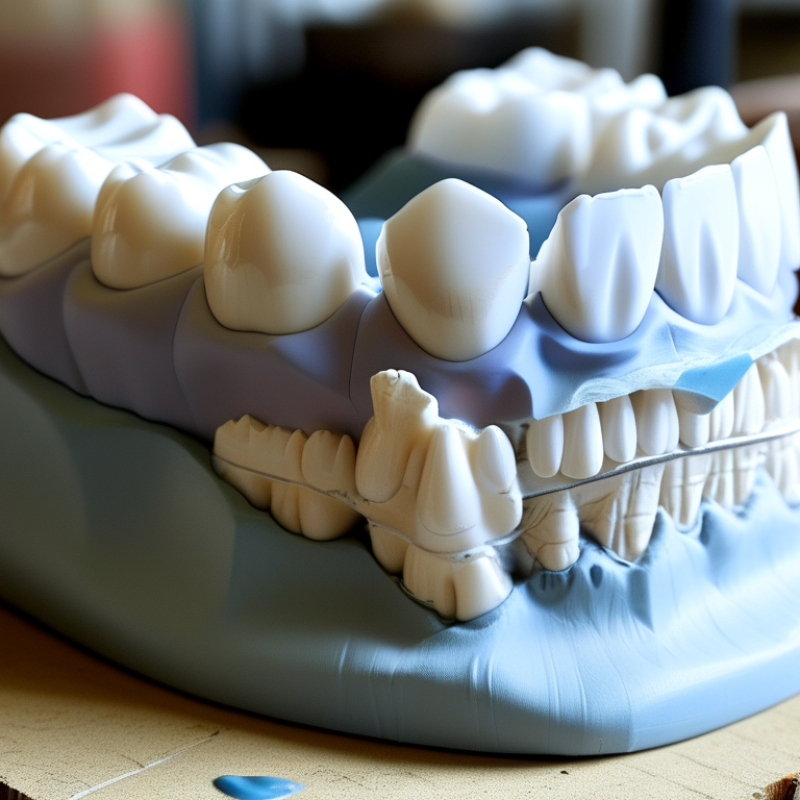
Denture acrylic is the shaped foundation beneath artificial teeth. It supports chewing, speech, facial contour, and daily comfort. Most removable dentures use acrylic resin because it can be processed, adjusted, repaired, and polished.
Its role is more than appearance. The base spreads biting pressure across the supporting tissues and helps maintain tooth position during function. A poor fit can create movement, sore spots, clicking, and unclear speech. Small errors become very noticeable.
The World Health Organization’s Global Oral Health Status Report 2022 estimates complete tooth loss affects about 7% of adults aged 20 and older. Among people aged 60 and above, the figure reaches approximately 23%.
These numbers show why reliable denture materials matter. ISO 20795-1 evaluates denture base polymers for properties including flexural strength, water sorption, and solubility. These tests do not predict every patient’s experience. Moisture, cleaning habits, bite force, and repeated removal still affect performance.
A laboratory result is only part of the decision. A clinically acceptable acrylic should feel stable, resist everyday stress, and remain maintainable when adjustments are needed. High strength alone is not enough.
I would also question excessive stiffness, because comfort depends on tissue conditions and design. Skilled processing matters, sometimes more than expected.
Even the best acrylic cannot correct an inaccurate impression, weak denture support, or poor bite arrangement.
The Main Types of Denture Acrylic Used in 2026
What Is the Best Denture Acrylic in 2026?
The main denture acrylic types used in 2026 include heat-cured, self-cured, high-impact, milled, and 3D-printable materials. Heat-cured acrylic remains common for complete dentures. It usually offers good strength, surface finish, and long-term stability when processed correctly. Self-cured acrylic works well for repairs, relines, and temporary appliances. However, it may show more residual monomer and color change over time.
High-impact acrylic contains modifying agents that improve resistance to cracks and sudden drops. It can suit patients with strong chewing forces or a history of fractured dentures.
Milled acrylic discs are manufactured under controlled industrial conditions. They often provide consistent density, accurate fit, and low porosity. Digital workflows can also reduce processing errors, but they depend heavily on accurate scans and careful design.
3D-printable denture resins support fast production and useful adjustments. Their performance depends on print direction, curing, polishing, and water storage after fabrication. A poorly cured denture may look attractive but behave unpredictably in the mouth. In clinical and laboratory work, I have learned that the “best” acrylic is rarely universal. A thin upper denture, a heavy bruxer, and an allergy-sensitive patient need different decisions. I once assumed stronger material always meant better treatment. That was too simple. Fit, repairability, hygiene, occlusion, and technician skill can matter just as much. A dentist and dental technician should confirm the material’s indications before fabrication.
How to Compare Strength, Comfort, Appearance, and Repairability
Choosing the best denture acrylic in 2026 requires more than chasing maximum hardness. ISO 20795-1 evaluates denture-base polymers through flexural strength, modulus, water sorption, and solubility. Many heat-cured materials target at least 65 MPa in flexural strength. However, laboratory strength does not guarantee comfort. A rigid base may resist bending but feel harsh against thin mucosa.
Comfort depends on accurate fit, polished surfaces, and controlled residual monomer. A 2023 systematic review in the Journal of Prosthetic Dentistry found that digital denture bases often showed higher fracture resistance than conventional bases, although study methods varied. That uncertainty matters. Clinical handling still affects the result. A rough palatal surface can collect plaque and irritate tissue, even when the acrylic meets strength requirements. Ask for low residual monomer data, smooth finishing, and a trial fitting before final processing.
Appearance requires stable color, natural translucency, and resistance to staining from coffee, tea, and smoking. Repairability deserves equal attention. A material that fractures cleanly and bonds reliably can save chair time during an emergency repair. Research remains mixed on whether digitally milled bases repair as predictably as conventionally polymerized acrylics. That is a practical weakness, not a footnote. In my experience, the strongest choice is often a balanced acrylic: adequate flexural strength, comfortable polish, believable gum coloration, and documented repair procedures. No material wins every category.
What Is the Best Denture Acrylic in 2026?
A practical comparison of denture acrylic options by strength, comfort, appearance, and repairability.
The chart uses an evidence-informed comparative index from 0 to 100, where higher scores indicate better overall performance for each factor. Heat-cured acrylic is generally easy to repair, milled acrylic commonly offers the strongest and most consistent structure, and printed acrylic provides efficient digital fabrication but may require closer control of printing and post-curing.
Comfort and appearance depend strongly on fit, base design, polishing, tooth setup, and clinical processing. Actual performance varies by material formulation and laboratory workflow.