Top 10 Benefits of Partial Dental Implants for Your Smile?
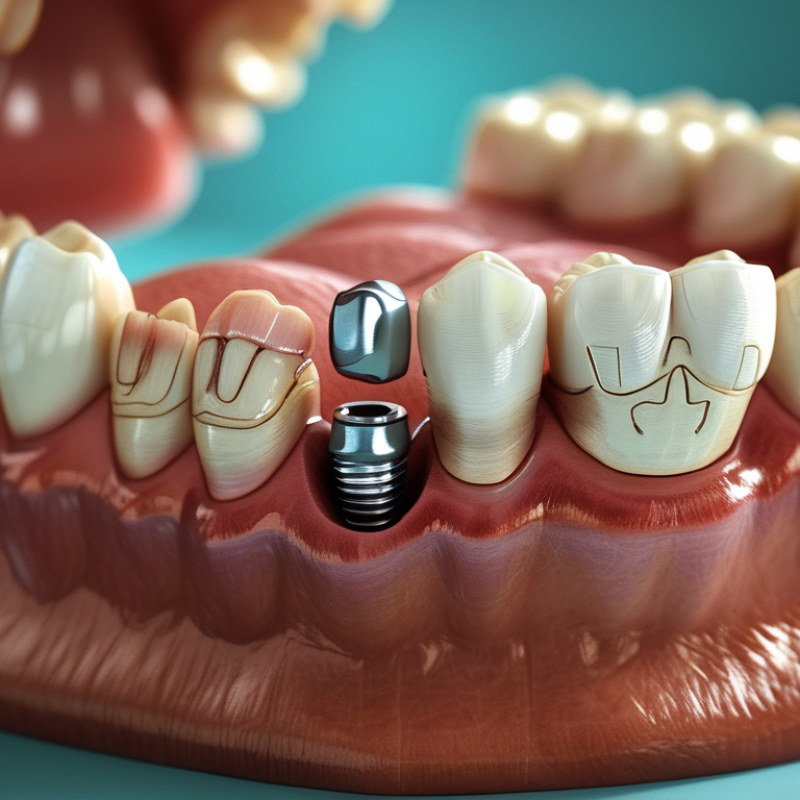
Partial Dental Implants have been gaining popularity as a reliable option for dental restoration. Dr. John Smith, a leading expert in restorative dentistry, states, "Partial Dental Implants can transform a patient’s quality of life." This technology offers numerous advantages for those missing teeth.
Partial Dental Implants provide a more natural appearance compared to traditional dentures. They enhance functionality, allowing for better chewing and speech. Patients often report increased confidence and improved social interactions. However, some may still have reservations about procedure risks and costs.
The benefits of Partial Dental Implants include their longevity and the minimal impact on surrounding teeth. Yet, it’s essential to consult with specialists to understand the specific needs and conditions. This ensures an informed decision tailored to individual situations.
Benefits of Improved Aesthetics with Partial Dental Implants
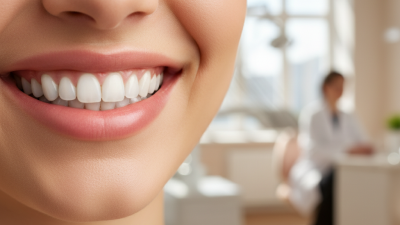
Partial dental implants can significantly enhance your smile's aesthetics. They fill in gaps left by missing teeth, creating a more uniform look. When strategically placed, these implants can match your natural teeth in color and shape, making it hard for others to notice the difference. This seamless integration can boost your confidence significantly, allowing you to smile freely.
Choosing partial dental implants requires thoughtful consideration. Work closely with your dentist to evaluate the best materials and designs. The right approach can lead to remarkable results. Regular maintenance is essential to keep your implants looking their best. Stains and tartar can accumulate; brushing and flossing remain crucial.
Don’t overlook the importance of a personalized treatment plan. Every smile is unique, and your needs may vary. Communicate openly with your dental professional about your goals. This collaboration ensures you achieve the aesthetic outcome you desire. Remember, dental health is a lifelong commitment. Adopting a proactive attitude can help you maintain both aesthetics and function.
Enhanced Comfort and Functionality of Partial Dental Implants
Partial dental implants are gaining popularity for good reasons. They provide both comfort and improved functionality. These implants offer a stable foundation for replacing missing teeth. Patients often report feeling more at ease while eating. The secure fit allows for better bite strength, making everyday activities enjoyable again.
With partial implants, there's a noticeable difference in how people chew food. This enhancement can lead to a varied diet, improving overall nutrition. Many users appreciate the natural feel of partial implants compared to dentures. However, finding the right fit can sometimes be tricky. Adjustments may be necessary to achieve optimal comfort. Some patients may initially experience minor discomfort, making routine follow-ups key to success.
The cosmetic benefits play a significant role too. A natural-looking smile boosts confidence and encourages social interaction. Partial implants are tailored to match existing teeth, creating a seamless appearance. Yet, it is essential to maintain good oral hygiene. Neglecting care can lead to complications over time. So, embracing this solution requires commitment to dental health.
Top 10 Benefits of Partial Dental Implants for Your Smile
Long-Term Durability and Stability of Partial Tooth Replacement
Partial dental implants provide significant advantages, particularly in terms of long-term durability and stability. By replacing missing teeth, they restore not just your smile, but also your bite function. These implants are designed to integrate with your jawbone, providing a sturdy foundation. This stability helps prevent issues such as bone loss in the jaw over time.
Proper care and maintenance enhance the longevity of these implants. Regular dental check-ups are crucial to monitor their condition. Daily brushing and flossing should be part of your routine. Be mindful of any changes in your mouth, like discomfort or shifting teeth, as these may signal a need for professional assessment.
Sometimes, the fit may not be perfect or the aesthetic appearance may not meet expectations. It's essential to communicate your concerns with your dental professional. Each person's mouth is unique, and adjustments can often be made. Achieving an optimal look and function might require patience and a willingness to re-evaluate your choices.
Impact of Partial Dental Implants on Oral Health
Partial dental implants significantly improve oral health. Studies indicate that patients with missing teeth often struggle with chewing, leading to poor nutrition. In fact, around 30% of adults with missing teeth may experience dietary deficiencies. By using partial implants, these individuals can restore their biting function, which supports better nutrient intake and overall health.
Moreover, partial dental implants prevent bone loss. When teeth are lost, the jawbone can start to deteriorate. Research suggests that 25% of bone mass is lost within the first year of losing a tooth. This bone loss can alter facial structure and lead to further tooth loss. By placing partial implants, patients can stimulate the jawbone, maintaining its density and structure.
Another notable benefit is improved oral hygiene. Traditional dentures can make cleaning difficult, increasing the risk of gum disease. A survey by the American Academy of Periodontology revealed that patients with implants report better gum health compared to those with removable dentures. This indicates that partial implants contribute positively to both oral hygiene and long-term dental wellness.
Cost-Effectiveness of Choosing Partial Dental Implants Over Alternatives
Choosing partial dental implants can be a cost-effective solution for many individuals seeking to restore their smiles. According to the American Dental Association, the average cost of a single tooth implant ranges from $3,000 to $4,500. In contrast, partial dentures can cost between $600 and $1,800. While the upfront costs of partial implants may be higher, their durability and longevity can offer significant long-term savings.
Partial dental implants have a strong success rate of around 95%, as reported by the American Academy of Implant Dentistry. These implants are designed to blend seamlessly with existing teeth, enhancing both aesthetics and function. They require less maintenance than dentures, potentially leading to lower overall costs over time. Patients often find they spend less on dental care due to reduced wear on remaining teeth.
It's crucial to weigh your options thoroughly. The initial financial investment might be daunting, but the benefits often outweigh the costs. Consult with a dental professional to evaluate your specific needs. Focus on the potential value that partial implants may bring to your daily life. Prioritize long-term health over short-term savings. This subtle trade-off is vital to consider.