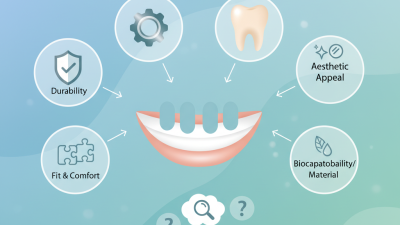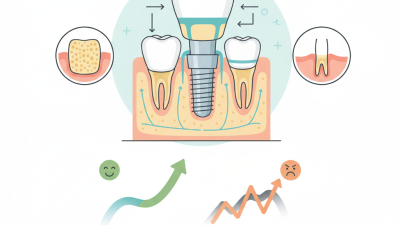
Partial dental implants are revolutionizing tooth replacement solutions. Dr. Jessica Morgan, a leading expert in prosthodontics, states, “Partial dental implants offer a blend of functionality and aesthetics that can significantly improve a patient’s quality of life.” These implants not only restore the ability to chew, but they also enhance facial structure and support surrounding teeth.
Patients often feel overwhelmed by the options available. However, the advantages of partial dental implants are noteworthy. They provide a permanent solution for missing teeth. Unlike dentures, they do not slip or move. This stability boosts confidence and encourages a more active lifestyle. Many patients report feeling more energetic and sociable after receiving them.
Yet, it’s essential to recognize that not everyone is a candidate for partial dental implants. In some cases, bone loss can limit their effectiveness. Individuals must consult with dental professionals to determine the best approach. Understanding these implants’ strengths and constraints is crucial for informed decision-making. The right information can lead to life-changing outcomes in dental health.
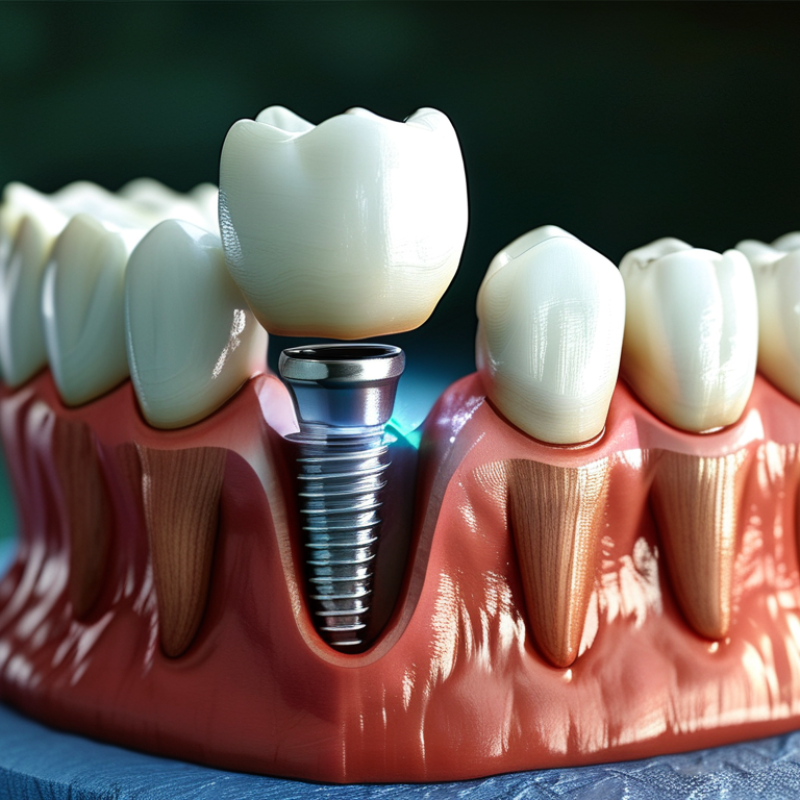
Partial dental implants have gained popularity due to their effective solution for tooth loss. These implants consist of artificial roots and crowns. Unlike full dentures, they provide a more stable fit. Many patients find them comfortable and functional. Improved chewing capacity is one major benefit. This allows individuals to enjoy a wider variety of foods.
Understanding partial dental implants involves recognizing their design and purpose. These implants are anchored to remaining natural teeth, offering stability. They can improve overall dental health by preventing bone loss. Additionally, they help maintain facial structure. With proper care, partial implants can last for many years.
Yet, candidates for partial implants need careful evaluation. Not everyone is suitable for this option. Some may experience discomfort or complications. Regular dental visits post-implantation are crucial. Long-term maintenance is essential. Overall, patients should weigh benefits against potential challenges.
| Benefit | Description |
|---|---|
| Improved Aesthetics | Partial dental implants provide a natural-looking appearance, enhancing the smile and self-esteem. |
| Better Functionality | They restore chewing ability and improve speech compared to traditional dentures. |
| Durability | With proper care, partial dental implants can last many years, often longer than other tooth replacement options. |
| Bone Preservation | They help preserve jawbone structure by stimulating bone growth, preventing deterioration over time. |
| Minimally Invasive | Partial implants require less invasive surgery than full mouth implants, reducing recovery time. |
| Customizable Options | They can be tailored to fit the individual’s specific dental situation, enhancing overall satisfaction. |
| Lower Cost | Partial dental implants can be more affordable than full implants or bridges, making them accessible for many patients. |
| Support for Adjacent Teeth | They provide support and stability to neighboring teeth, helping to prevent drift or misalignment. |
| Enhanced Comfort | Partial implants eliminate the discomfort associated with removable dentures, improving everyday comfort. |
| Easier Oral Hygiene | They allow for more effective brushing and flossing compared to traditional dentures, promoting better oral health. |
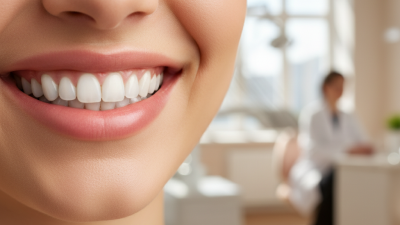
Partial dental implants offer remarkable benefits for tooth replacement. They are a preferred choice for those missing one or multiple teeth. According to the American Academy of Implant Dentistry, studies indicate that 69% of adults aged 35 to 44 have lost at least one permanent tooth. Partial implants can restore functionality and aesthetics.
One significant advantage of partial dental implants is their ability to preserve jawbone health. Traditional dentures may lead to bone loss over time. Implants provide stimulation to the bone, which can prevent this deterioration. Additionally, they can enhance biting and chewing efficiency, allowing for a better quality of life.
Tip: Regular consultations with a dental professional can ensure the best treatment plan for your needs. Consider discussing your lifestyle and preferences to find the optimal solution.
Another benefit is the improvement in speech. Missing teeth can impact how sounds are formed, leading to speech difficulties. Partial implants help restore proper articulation and phonetics. Moreover, they can boost self-esteem by offering a natural look and feel.
Tip: Choose a dental provider with a solid track record in implant procedures. Their expertise can significantly affect your experience and outcome. Keeping these factors in mind leads to informed decisions about your dental health.
Partial dental implants offer significant improvements in aesthetics, leading to a revitalized smile. According to the American Academy of Implant Dentistry, nearly 69% of adults aged 35 to 44 have lost at least one permanent tooth. This common issue can lead to a decreased self-esteem and an unwillingness to smile. Partial implants not only fill these gaps but also restore facial structure, making one appear younger and more vibrant.
When considering partial implants, understanding their long-term benefits is crucial. Research shows that patients who opt for them report a 92% satisfaction rate with their appearance. The implants seamlessly blend with natural teeth, resulting in a cohesive look. Enhanced aesthetics can positively affect social interactions and professional opportunities.
Tips: Ensure you consult a qualified dental professional for personalized guidance. Maintaining oral hygiene is essential post-implant. Regular check-ups can greatly improve your implant's longevity. Don't forget, while these implants provide beautiful results, your expectations should align with realistic outcomes. Embrace the journey towards a more confident smile, but remember it's okay to acknowledge your fears and uncertainties along the way.
Partial dental implants offer significant advantages, particularly in restoring functionality. For many, the inability to chew properly can disrupt daily life. Missing teeth can hinder one's ability to enjoy food. This can lead to unhealthy eating habits. Fortunately, partial implants provide a solution. They enable individuals to regain their bite. The ability to chew is essential for proper digestion and overall health.
When it comes to functionality restoration, partial dental implants play a key role. Unlike full dentures, they attach securely to existing teeth or gums. This stability helps to deliver a more authentic eating experience. People often report feeling more confident during meals. They can enjoy a wider variety of foods. This change can significantly impact their social interactions. Eating is a communal activity that fosters connections. However, some may feel nervous about the transition to implants. Overcoming this discomfort is part of the journey.
It is important to remember that adjustment takes time. Some might experience initial discomfort. This phase is normal as the mouth adapts. Regular follow-ups with a dental professional can ease concerns. It's vital to communicate any issues you face. Ultimately, the goal is to restore normal function and confidence. Partial implants not only enhance chewing ability but also improve quality of life.
Partial dental implants offer considerable financial advantages that many patients overlook. According to the American Academy of Implant Dentistry, over 36 million Americans are missing all of their teeth. Partial implants can be a cost-effective solution for those with one or more missing teeth. They typically require fewer materials and less invasive procedures than full implants. This means lower costs while still providing substantial benefits to oral health and aesthetics.
Cost comparisons show that partial implants can be 30% to 50% less expensive than full-arch replacements. This financial relief is appealing for patients concerned about their budget. Moreover, partial implants can last several years, with good maintenance, reducing the need for costly replacements. Investing in partial implants can lead to savings in dental care in the long term. Healthier teeth often result in fewer visits to the dentist, which also lowers overall expenses.
Tip: Always consult with a dental professional about the potential costs of different options. Explore financing plans that clinics may offer. This can help ease the burden of upfront costs while improving your oral health. Remember, choosing the right type of dental solution is crucial for long-term satisfaction. Making informed decisions now can lead to better financial outcomes in the future.