How to Choose the Best 3D Dental Implants for Your Needs?
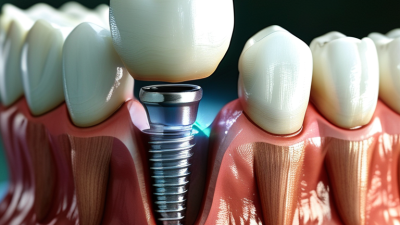
Choosing the right 3D dental implants can be a daunting task. With various options available, it's crucial to understand what fits your needs best. These implants are revolutionizing dental care, offering enhanced aesthetics and functionality. Their precision in design ensures a more comfortable fit for patients.
When selecting 3D dental implants, consider factors like materials and technology used. Each option comes with its own advantages and potential drawbacks. It’s essential to consult with dental professionals who have experience and expertise in this field. This guarantees you receive reliable advice tailored to your specific situation.
While you might feel overwhelmed, taking time to research and ask questions will streamline the process. Never hesitate to express concerns about your choices. Remember, the right implant should not only meet your aesthetic desires but also support your long-term health. This balance is vital for satisfactory results.
Understanding the Types of 3D Dental Implants Available on the Market
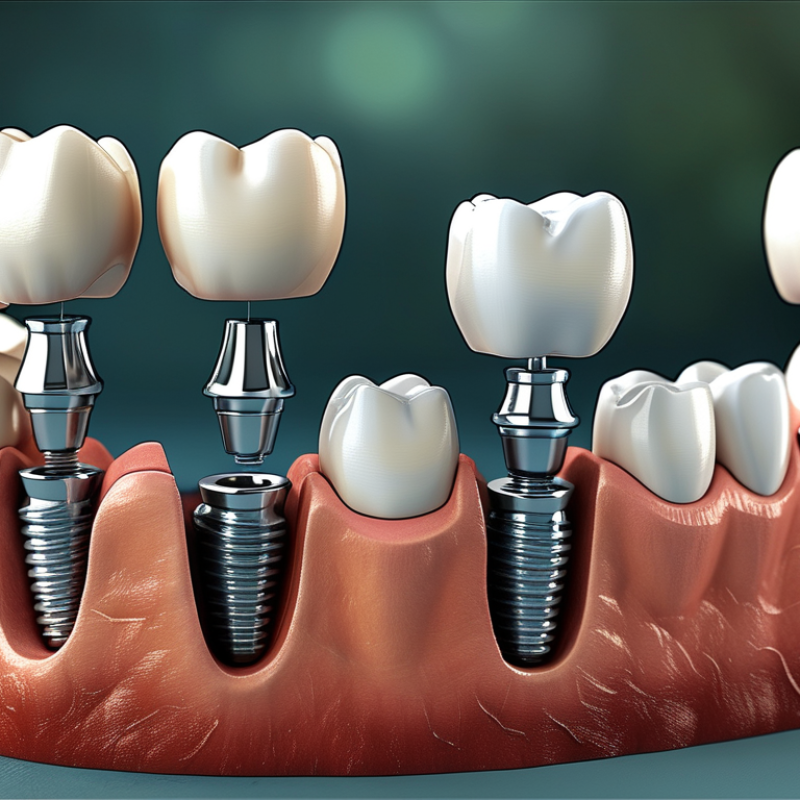
When selecting 3D dental implants, understanding the various types available is crucial. There are several options, each designed for specific patient needs. For instance, some implants are made from titanium, known for its durability and biocompatibility. Others utilize zirconia, a newer material that offers aesthetic advantages, blending with natural teeth better.
The design variations also play a significant role. Certain implants come with unique shapes and threads to enhance stability. A tapered design might work better in narrow jawbones, while wider options offer more support in denser areas. Patients should consider their bone quality and the implant’s intended use when making a choice.
Some people may still face challenges with choosing the right implant. Not all implants work well in every situation. Understanding personal dental health and getting professional insight is essential. Weighing the benefits against potential risks can guide towards the best decision. Each choice has its pros and cons, and careful consideration is important for long-term success.
Key Factors to Consider When Selecting 3D Dental Implants
Choosing the right 3D dental implants involves several essential factors. First, consider the material used in the implants. Common options include titanium and zirconia. Titanium is a well-regarded choice due to its strength and compatibility with the jawbone. Zirconia offers a more aesthetic alternative, as it blends well with natural teeth. However, both materials have unique benefits and possible drawbacks, which should be evaluated carefully.
Another key factor is the design of the implant. Different shapes and sizes cater to various clinical situations. Collaborating with an experienced dental professional can help determine what design fits your specific needs. Additionally, the technology used in the 3D printing process is significant. The more advanced the technology, the more precise and personalized the implant can be. Nonetheless, the effectiveness of these implants also relies on the skills of the dental implant specialist. Their expertise plays a vital role in ensuring successful outcomes.
It's crucial to reflect on your own health history when selecting implants. Bone density and oral health can significantly impact the healing process. Some patients may face challenges during recovery. Discussing your concerns with your dentist can help address potential issues. Making informed decisions based on experience and evidence is essential for achieving the best results.
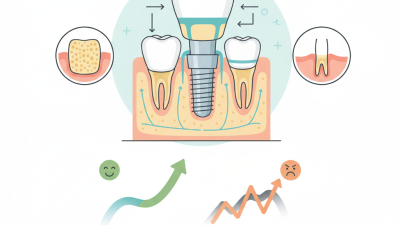
Comparison of Key Factors in Choosing 3D Dental Implants
Evaluating Material Quality: Titanium vs. Zirconia in Dental Implants
When selecting dental implants, material quality is crucial. Titanium and zirconia are the most common options. Titanium has been used for decades. It integrates well with bone and is generally recognized for its strength. However, some patients may experience allergies or sensitivities to titanium, which can complicate the healing process. On the other hand, zirconia implants are newer. They offer a metal-free alternative and provide excellent aesthetics. Many patients favor zirconia for its tooth-like appearance.
For choosing between these materials, consider your health history. If you have metal allergies, zirconia might be a safer choice. Additionally, think about your lifestyle. Titanium’s durability suits those who lead active lives. Zirconia can chip under pressure, so it may not be ideal for everyone.
Keep in mind that the proper implant type also depends on your dentist's expertise. Some professionals may prefer one material over the other based on their experience. Communication with your dentist is essential. Discuss potential risks and benefits of each material thoroughly. Your concerns should guide the final decision for your dental health.
Assessing the Success Rates and Longevity of 3D Dental Implants
When considering 3D dental implants, understanding their success rates and longevity is essential. These implants have shown promising results. Clinical studies indicate a success rate of over 95% in many cases. However, individual outcomes can vary widely. Factors such as bone density and oral hygiene play crucial roles in the longevity of these implants.
Regular follow-up appointments are vital. This allows for monitoring any issues that might arise. Patients should be aware of potential complications, such as infection or implant failure. These challenges may diminish the success rates for some individuals. Protecting your investment in oral health involves commitment and care.
Choosing the right dental professional is crucial. Look for someone experienced with 3D implants. Reading patient reviews can provide insight into their capabilities. Avoid rushing into decisions. Take the time to discuss all options with your dentist. Understanding your unique needs will help in selecting the best implant tailored for you.
Importance of Customization in 3D Dental Implant Technology
Customization plays a crucial role in 3D dental implants. Each patient has unique dental anatomy and needs. Custom implants can address specific challenges like bone structure or gum health. With 3D technology, dentists can create accurate models based on individual scans. This precision enhances the fit and integration of the implant.
Moreover, customized implants can improve overall success rates. A well-fitted implant reduces discomfort and promotes healing. It also minimizes complications during and after the surgical procedure. However, customization requires expertise and the right technology. Not all dental professionals may have access to state-of-the-art 3D printing systems. Patients must consider these factors when seeking treatment.
It is essential to communicate openly with your dental provider. Discuss your specific needs and concerns. Ask about their experience with customized implants. This dialogue can lead to better outcomes. Each patient's journey is different, and there is no one-size-fits-all solution. Research and reflection on options are vital to make the best choice.